Saudi Arabia and UAE at Odds in Yemen Conflict as Southern Offensive Deepens Gulf Rift
Growing tensions between Riyadh and Abu Dhabi play out on Yemeni soil, with battles over strategic provinces and shifting alliances reshaping the war
Fighting in Yemen has escalated sharply into a flashpoint between two of the Middle East’s most influential Gulf powers, Saudi Arabia and the United Arab Emirates, as diverging interests in the long-running civil war spill into direct confrontation and political strain.
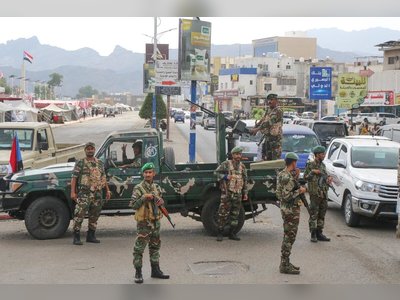
In early December, forces backed by the UAE-aligned Southern Transitional Council launched a major offensive across southern Yemen, swiftly seizing key cities and territory in Hadramout and al-Mahrah provinces that were previously held by units loyal to the internationally recognised government.
The Southern Transitional Council — once part of the anti-Houthi coalition — has since refused calls to withdraw, prompting a forceful response from Saudi-backed units.
Saudi Arabia, which has long supported the internationally recognised government and sought to prevent fragmentation of Yemen, has carried out airstrikes against the UAE-supported militia and its positions around Mukalla and Hadramout, signalling that its security interests near its southern border constitute a “red line.” The strikes followed Riyadh’s allegations that a shipment arriving at the port of Mukalla from the UAE contained military equipment for the Southern Transitional Council — claims Abu Dhabi denied, saying deliveries were for its own personnel.
The clash has undermined the cohesion of the Gulf coalition that once fought the Iran-aligned Houthi movement together and exposed deep mistrust between Riyadh and Abu Dhabi over strategic objectives in Yemen.
The UAE has announced the voluntary withdrawal of its remaining counterterrorism units from Yemen, a symbolic retreat after years of involvement, but it continues to support the Southern Transitional Council politically and through affiliated forces on the ground.
The separatist faction has also declared intentions to pursue a future referendum on independence and adopted its own constitutional framework, signalling a break with the concept of a unified Yemeni state.
Diplomats have sounded alarms about the broader implications of the rift, as Saudi-UAE discord could complicate regional stability and coordination on issues ranging from oil policy within OPEC+ to humanitarian efforts in Yemen, a conflict that has already inflicted a severe human toll.
Despite ongoing clashes, Saudi Arabia and the United Arab Emirates have engaged in high-level talks aimed at containment, but the situation remains fluid and tense with potential to draw in additional external actors and exacerbate Yemen’s fragmented civil war landscape.
In early December, forces backed by the UAE-aligned Southern Transitional Council launched a major offensive across southern Yemen, swiftly seizing key cities and territory in Hadramout and al-Mahrah provinces that were previously held by units loyal to the internationally recognised government.
The Southern Transitional Council — once part of the anti-Houthi coalition — has since refused calls to withdraw, prompting a forceful response from Saudi-backed units.
Saudi Arabia, which has long supported the internationally recognised government and sought to prevent fragmentation of Yemen, has carried out airstrikes against the UAE-supported militia and its positions around Mukalla and Hadramout, signalling that its security interests near its southern border constitute a “red line.” The strikes followed Riyadh’s allegations that a shipment arriving at the port of Mukalla from the UAE contained military equipment for the Southern Transitional Council — claims Abu Dhabi denied, saying deliveries were for its own personnel.
The clash has undermined the cohesion of the Gulf coalition that once fought the Iran-aligned Houthi movement together and exposed deep mistrust between Riyadh and Abu Dhabi over strategic objectives in Yemen.
The UAE has announced the voluntary withdrawal of its remaining counterterrorism units from Yemen, a symbolic retreat after years of involvement, but it continues to support the Southern Transitional Council politically and through affiliated forces on the ground.
The separatist faction has also declared intentions to pursue a future referendum on independence and adopted its own constitutional framework, signalling a break with the concept of a unified Yemeni state.
Diplomats have sounded alarms about the broader implications of the rift, as Saudi-UAE discord could complicate regional stability and coordination on issues ranging from oil policy within OPEC+ to humanitarian efforts in Yemen, a conflict that has already inflicted a severe human toll.
Despite ongoing clashes, Saudi Arabia and the United Arab Emirates have engaged in high-level talks aimed at containment, but the situation remains fluid and tense with potential to draw in additional external actors and exacerbate Yemen’s fragmented civil war landscape.