Saudi Warplanes Strike UAE-Backed Separatist Forces in Yemen as Gulf Rift Widens
Airstrikes by the Saudi-led coalition target Southern Transitional Council positions in southern Yemen amid intensifying clashes and fracturing alliances between Riyadh and Abu Dhabi
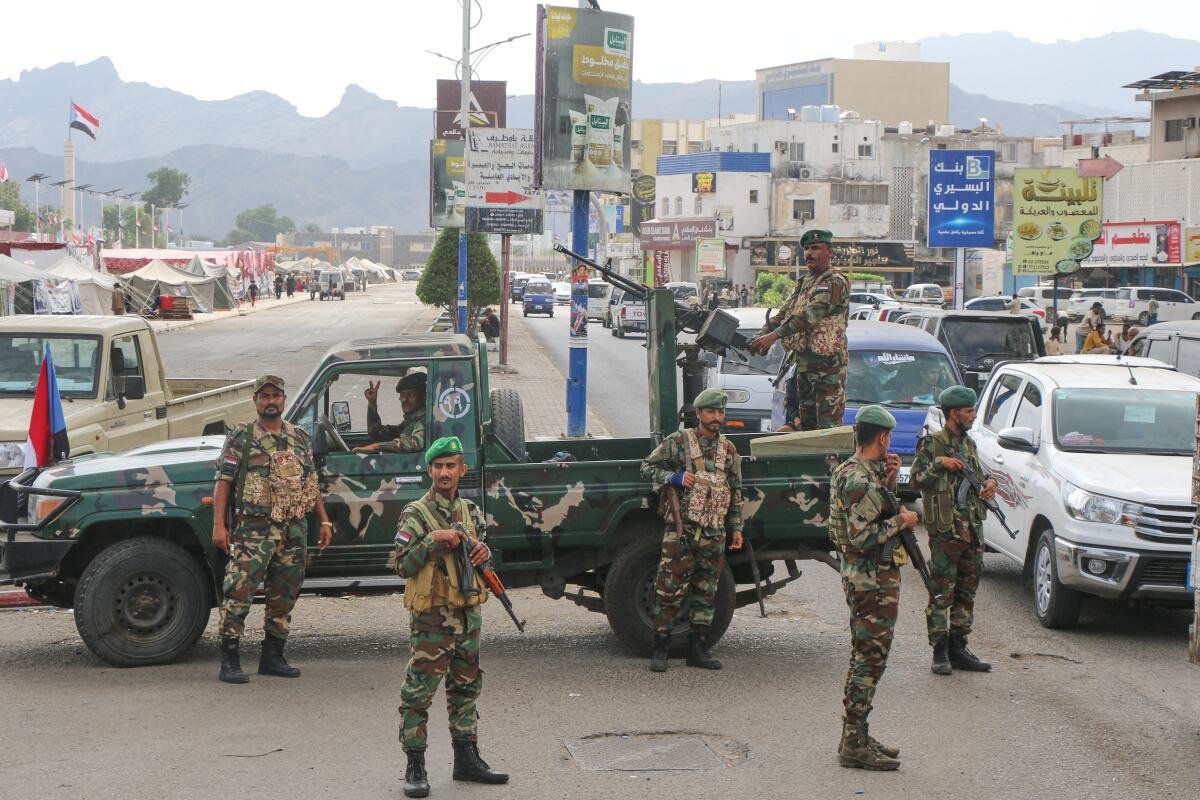
Saudi warplanes carried out multiple airstrikes against positions held by the United Arab Emirates-backed Southern Transitional Council (STC) in southern Yemen, marking a striking escalation in the conflict that reflects deepening divisions between two Gulf powers once united against Iran-aligned Houthi rebels.
The strikes, reported by separatist sources and confirmed in broader regional reporting, were concentrated in the Hadramout governorate where STC forces have recently seized strategic territory from units aligned with Yemen’s Saudi-backed internationally recognised government.
The bombardment targeted STC camps and infrastructure in and around the province’s eastern districts, with local officials reporting seven fatalities and more than twenty wounded among separatist fighters.
Saudi-led coalition officials characterised the operations as part of efforts to dislodge what they described as armed groups undermining stability and urged the STC to withdraw from areas taken in December, including oil-rich Hadramout and neighbouring al-Mahra.
The confrontations have exposed a widening schism between Riyadh and Abu Dhabi, which have historically cooperated within the coalition against the Houthis but now back rival factions within the broader Yemeni theatre.
The STC, seeking greater autonomy for southern Yemen and backed politically and militarily by the UAE, has rebuffed Saudi demands to cede control of newly captured territory, advancing instead plans for a future referendum on independence.
Saudi authorities have also carried out strikes on the port city of Mukalla targeting what they said were weapons shipments allegedly originating from the UAE for use by separatist forces, an action that further strained relations between the two allied monarchies.
Analysts say the strikes against UAE-aligned forces signal a significant fracture in the anti-Houthi coalition and raise concerns about the conflict’s trajectory, as internal competition adds another layer to Yemen’s complex civil war.
Diplomatic efforts have urged restraint amid fears of broader regional fallout, and United Nations and Western envoys have called for de-escalation to avert wider violence and humanitarian consequences.
As the clashes continue, the situation highlights the evolving geopolitical dynamics in Yemen, where erstwhile partners find themselves at odds over influence, security and political outcomes in a conflict that has already exacted a profound toll on the country’s civilians and infrastructure.
The strikes, reported by separatist sources and confirmed in broader regional reporting, were concentrated in the Hadramout governorate where STC forces have recently seized strategic territory from units aligned with Yemen’s Saudi-backed internationally recognised government.
The bombardment targeted STC camps and infrastructure in and around the province’s eastern districts, with local officials reporting seven fatalities and more than twenty wounded among separatist fighters.
Saudi-led coalition officials characterised the operations as part of efforts to dislodge what they described as armed groups undermining stability and urged the STC to withdraw from areas taken in December, including oil-rich Hadramout and neighbouring al-Mahra.
The confrontations have exposed a widening schism between Riyadh and Abu Dhabi, which have historically cooperated within the coalition against the Houthis but now back rival factions within the broader Yemeni theatre.
The STC, seeking greater autonomy for southern Yemen and backed politically and militarily by the UAE, has rebuffed Saudi demands to cede control of newly captured territory, advancing instead plans for a future referendum on independence.
Saudi authorities have also carried out strikes on the port city of Mukalla targeting what they said were weapons shipments allegedly originating from the UAE for use by separatist forces, an action that further strained relations between the two allied monarchies.
Analysts say the strikes against UAE-aligned forces signal a significant fracture in the anti-Houthi coalition and raise concerns about the conflict’s trajectory, as internal competition adds another layer to Yemen’s complex civil war.
Diplomatic efforts have urged restraint amid fears of broader regional fallout, and United Nations and Western envoys have called for de-escalation to avert wider violence and humanitarian consequences.
As the clashes continue, the situation highlights the evolving geopolitical dynamics in Yemen, where erstwhile partners find themselves at odds over influence, security and political outcomes in a conflict that has already exacted a profound toll on the country’s civilians and infrastructure.