Yemen’s Southern Separatists Push for Independence Referendum Amid Fresh Fighting with Government Forces
UAE-backed Southern Transitional Council seeks a referendum on secession as battles intensify over strategic Hadramout territory, deepening rifts within Yemen’s anti-Houthi camp
Yemen’s southern separatist movement has formally articulated plans to pursue a path toward independence, calling for a referendum within two years as fighting with Saudi-backed government forces escalates over control of a key region.
The Southern Transitional Council, a faction backed by the United Arab Emirates that has seized swathes of territory in the south and east, said it aimed to put self-determination to a popular vote following its rapid territorial gains since early December.
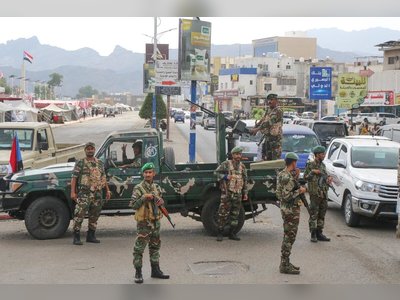
The STC’s announcement came as government forces, supported by Saudi airstrikes, launched an operation to retake Hadramout province — a vast, oil-rich region bordering Saudi Arabia that was captured by separatist forces in December.
The dispute over Hadramout has triggered one of the sharpest clashes yet between the STC and forces loyal to the internationally recognised government, which is backed by Riyadh and also fighting Houthi rebels in Yemen’s protracted civil war.
The STC’s statement marked the clearest indication to date of its intention to secede from Yemen’s north after years of advocating for greater autonomy.
The referendum proposal, slated for a two-year timeline, underscores the organisation’s confidence following its near-complete takeover of the former South Yemen territories — a development that analysts say could redraw Yemen’s political map and revive the prospect of a divided state.
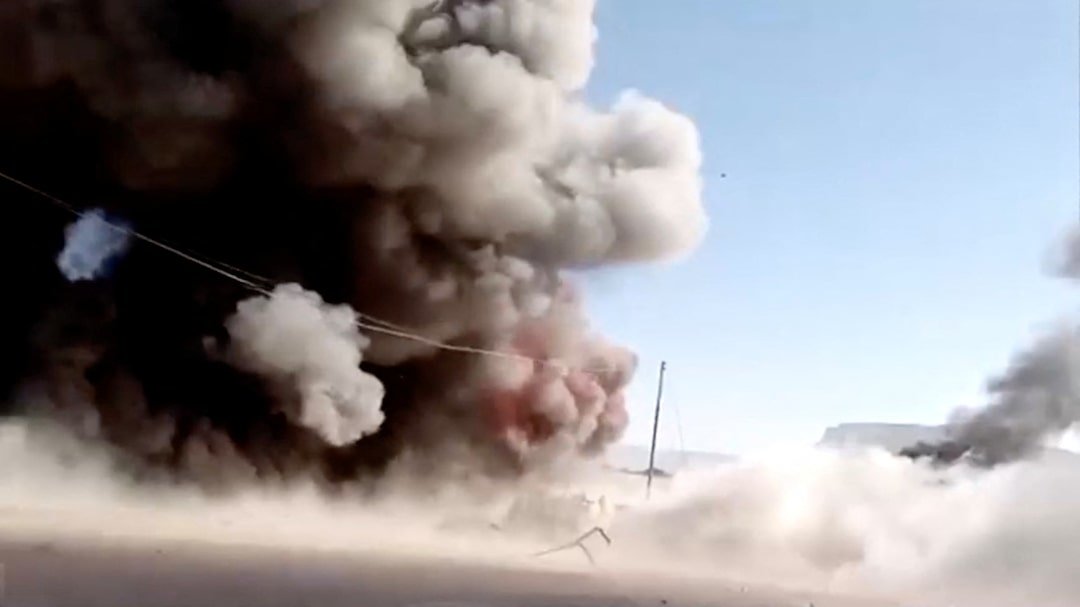
The Saudi-backed offensive to reclaim territory has involved aerial strikes and clashes around strategic military positions, contributing to a volatile environment that has disrupted civilian life and raised fears of wider conflict.
The Emirati position has been nuanced; Abu Dhabi has emphasised restraint and de-escalation even as it ends its formal troop deployment in Yemen, leaving the STC to consolidate its positions on the ground.
The push for a referendum and the ongoing confrontation highlight persistent fractures in the coalition of anti-Houthi actors in Yemen.
Western and regional diplomats have urged restraint and stressed the need for negotiations, but the situation remains fluid.
As Yemen’s internationally recognised government contests the STC’s advances, the prospect of a formal secession ballot reflects a dramatic turning point in the country’s long-running civil war and raises complex questions about Yemen’s territorial integrity and future political order.
The Southern Transitional Council, a faction backed by the United Arab Emirates that has seized swathes of territory in the south and east, said it aimed to put self-determination to a popular vote following its rapid territorial gains since early December.
The STC’s announcement came as government forces, supported by Saudi airstrikes, launched an operation to retake Hadramout province — a vast, oil-rich region bordering Saudi Arabia that was captured by separatist forces in December.
The dispute over Hadramout has triggered one of the sharpest clashes yet between the STC and forces loyal to the internationally recognised government, which is backed by Riyadh and also fighting Houthi rebels in Yemen’s protracted civil war.
The STC’s statement marked the clearest indication to date of its intention to secede from Yemen’s north after years of advocating for greater autonomy.
The referendum proposal, slated for a two-year timeline, underscores the organisation’s confidence following its near-complete takeover of the former South Yemen territories — a development that analysts say could redraw Yemen’s political map and revive the prospect of a divided state.
The Saudi-backed offensive to reclaim territory has involved aerial strikes and clashes around strategic military positions, contributing to a volatile environment that has disrupted civilian life and raised fears of wider conflict.
The Emirati position has been nuanced; Abu Dhabi has emphasised restraint and de-escalation even as it ends its formal troop deployment in Yemen, leaving the STC to consolidate its positions on the ground.
The push for a referendum and the ongoing confrontation highlight persistent fractures in the coalition of anti-Houthi actors in Yemen.
Western and regional diplomats have urged restraint and stressed the need for negotiations, but the situation remains fluid.
As Yemen’s internationally recognised government contests the STC’s advances, the prospect of a formal secession ballot reflects a dramatic turning point in the country’s long-running civil war and raises complex questions about Yemen’s territorial integrity and future political order.