Saudi Proposal Ties Palestinian Authority Reforms to Postwar Governance of Gaza
Riyadh-backed framework links institutional overhaul and security guarantees to future administration of the enclave
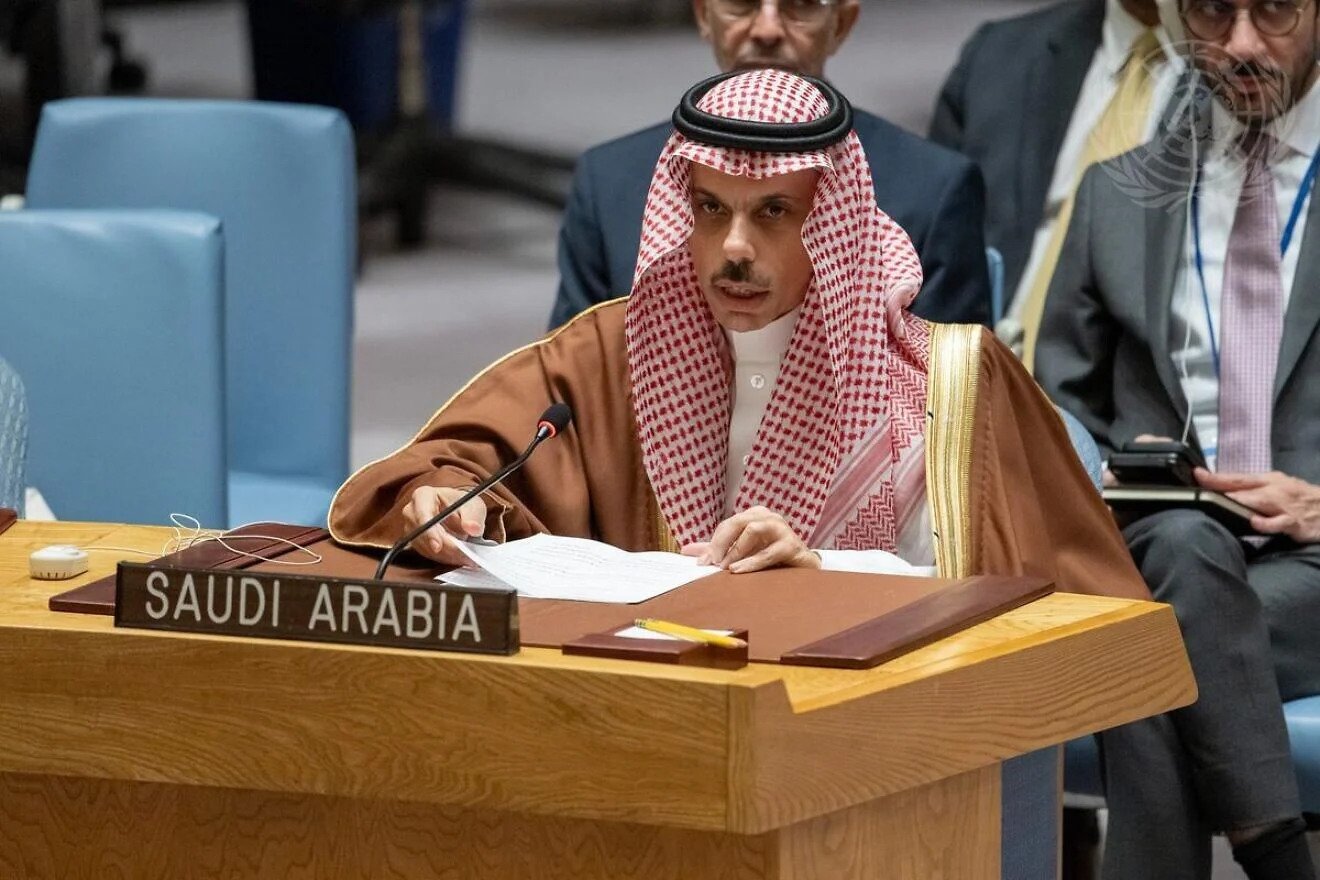
Saudi Arabia has advanced a proposal that would condition any role for the Palestinian Authority in governing Gaza on a package of deep institutional reforms, aligning postwar administration with security guarantees and international backing.
The initiative, discussed with regional and international partners, reflects Riyadh’s effort to bridge reconstruction, governance and long-term stability after the conflict.
Under the framework, the Palestinian Authority would undertake sweeping reforms aimed at improving transparency, accountability and service delivery, alongside a restructuring of security forces to ensure effective control and prevent the re-emergence of armed groups.
In return, the Authority would assume administrative responsibility for Gaza within a phased transition supported by Arab states and endorsed by key international stakeholders.
The proposal emphasises demilitarisation, border management and sustained oversight as prerequisites for governance, seeking to reassure Israel that any postwar arrangement would lock in security gains and prevent Gaza from reverting to a launchpad for attacks.
It also envisages robust international monitoring and financial support to underwrite reconstruction while conditioning aid on compliance with reform benchmarks.
Saudi officials see the plan as a pragmatic pathway that separates governance from militancy and creates a credible civilian authority capable of coordinating humanitarian relief and rebuilding infrastructure.
The approach aims to avoid ad hoc arrangements by anchoring Gaza’s future to reformed institutions with regional legitimacy and global guarantees.
While discussions remain ongoing and sensitive, the contours of the proposal underscore a regional push to translate the end of major hostilities into a durable political framework.
The success of the plan will depend on the scope and pace of reforms, the credibility of enforcement mechanisms, and the willingness of all parties to align security imperatives with governance responsibilities.
The initiative, discussed with regional and international partners, reflects Riyadh’s effort to bridge reconstruction, governance and long-term stability after the conflict.
Under the framework, the Palestinian Authority would undertake sweeping reforms aimed at improving transparency, accountability and service delivery, alongside a restructuring of security forces to ensure effective control and prevent the re-emergence of armed groups.
In return, the Authority would assume administrative responsibility for Gaza within a phased transition supported by Arab states and endorsed by key international stakeholders.
The proposal emphasises demilitarisation, border management and sustained oversight as prerequisites for governance, seeking to reassure Israel that any postwar arrangement would lock in security gains and prevent Gaza from reverting to a launchpad for attacks.
It also envisages robust international monitoring and financial support to underwrite reconstruction while conditioning aid on compliance with reform benchmarks.
Saudi officials see the plan as a pragmatic pathway that separates governance from militancy and creates a credible civilian authority capable of coordinating humanitarian relief and rebuilding infrastructure.
The approach aims to avoid ad hoc arrangements by anchoring Gaza’s future to reformed institutions with regional legitimacy and global guarantees.
While discussions remain ongoing and sensitive, the contours of the proposal underscore a regional push to translate the end of major hostilities into a durable political framework.
The success of the plan will depend on the scope and pace of reforms, the credibility of enforcement mechanisms, and the willingness of all parties to align security imperatives with governance responsibilities.