Saudi Arabia Deepens Strategic Footprint in Southern Yemen Amid Fragile Truce
Riyadh pursues security, economic and political influence as Yemen’s south emerges as a key arena after years of conflict
Saudi Arabia is steadily expanding its influence in southern Yemen as part of a broader effort to secure its borders, protect regional trade routes and shape a post-war political settlement in the country.
While Riyadh has reduced direct military engagement since the ceasefire with the Houthi movement, it has intensified diplomatic, economic and security initiatives in the south, reflecting its assessment that stability there is central to Yemen’s future and to Saudi national security.
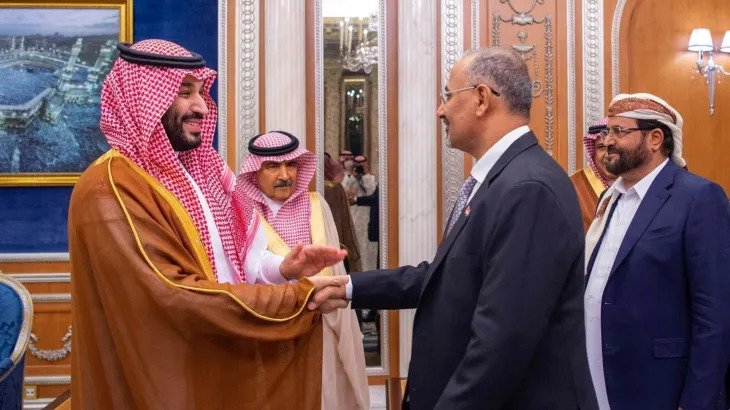
In recent months, Saudi officials have focused on strengthening ties with southern political and military actors, including those aligned with the internationally recognised Yemeni government.
Financial support, development projects and security coordination have been used to reinforce local governance and limit the risk of renewed conflict between rival southern factions.
Saudi Arabia is also seeking to ensure that any future political settlement preserves Yemen’s territorial integrity while preventing hostile forces from gaining influence near its southern border.
Control of strategic infrastructure is another key element of Riyadh’s approach.
Southern Yemen sits astride vital shipping lanes linking the Red Sea, the Gulf of Aden and the Indian Ocean, and Saudi Arabia has shown interest in ports, energy facilities and transport corridors that could underpin regional trade and reconstruction.
By supporting stability around these assets, Riyadh aims to reduce threats to maritime security and create conditions for long-term economic recovery.
Saudi policy in the south also reflects coordination and, at times, quiet competition with regional partners, particularly the United Arab Emirates, which maintains strong ties with southern separatist groups.
While the two countries share an interest in preventing Yemen from becoming a source of regional instability, their priorities are not identical, requiring careful management to avoid friction that could undermine broader peace efforts.
Overall, Saudi Arabia’s plans in southern Yemen centre on shaping a stable, cooperative environment that limits security risks, supports a negotiated end to the war and protects its strategic interests.
The success of this strategy will depend on whether Riyadh can balance local rivalries, regional partnerships and international diplomacy as Yemen moves, haltingly, toward a post-conflict phase.
While Riyadh has reduced direct military engagement since the ceasefire with the Houthi movement, it has intensified diplomatic, economic and security initiatives in the south, reflecting its assessment that stability there is central to Yemen’s future and to Saudi national security.
In recent months, Saudi officials have focused on strengthening ties with southern political and military actors, including those aligned with the internationally recognised Yemeni government.
Financial support, development projects and security coordination have been used to reinforce local governance and limit the risk of renewed conflict between rival southern factions.
Saudi Arabia is also seeking to ensure that any future political settlement preserves Yemen’s territorial integrity while preventing hostile forces from gaining influence near its southern border.
Control of strategic infrastructure is another key element of Riyadh’s approach.
Southern Yemen sits astride vital shipping lanes linking the Red Sea, the Gulf of Aden and the Indian Ocean, and Saudi Arabia has shown interest in ports, energy facilities and transport corridors that could underpin regional trade and reconstruction.
By supporting stability around these assets, Riyadh aims to reduce threats to maritime security and create conditions for long-term economic recovery.
Saudi policy in the south also reflects coordination and, at times, quiet competition with regional partners, particularly the United Arab Emirates, which maintains strong ties with southern separatist groups.
While the two countries share an interest in preventing Yemen from becoming a source of regional instability, their priorities are not identical, requiring careful management to avoid friction that could undermine broader peace efforts.
Overall, Saudi Arabia’s plans in southern Yemen centre on shaping a stable, cooperative environment that limits security risks, supports a negotiated end to the war and protects its strategic interests.
The success of this strategy will depend on whether Riyadh can balance local rivalries, regional partnerships and international diplomacy as Yemen moves, haltingly, toward a post-conflict phase.