0:00
0:00
Saudi Crown Prince Reportedly Urges Trump to Sustain Military Pressure on Iran
Frequent high-level calls highlight Saudi Arabia’s growing influence as regional powers shape the trajectory of the ongoing conflict
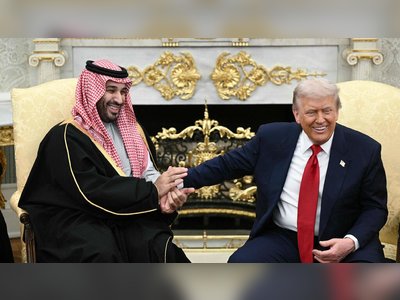
Saudi Arabia’s Crown Prince Mohammed bin Salman has reportedly urged US President Donald Trump to continue military operations against Iran, as the conflict enters a critical phase marked by both escalation and tentative diplomatic efforts.
According to accounts from officials familiar with recent communications, the Saudi leader has held multiple calls with Trump in recent weeks, encouraging a sustained and forceful approach.
The discussions are said to reflect Riyadh’s strategic assessment that continued pressure could reshape the regional balance of power and curb Iran’s influence.
The exchanges come as the war, now several weeks old, has intensified across multiple fronts, including missile and drone attacks targeting US and allied positions, as well as key energy infrastructure in the Gulf.
Saudi Arabia itself has faced direct strikes, reinforcing its security concerns and shaping its position in ongoing consultations with Washington.
Trump has simultaneously signalled openness to negotiations aimed at de-escalation, including a temporary pause on certain planned strikes to allow diplomatic channels to progress.
However, the reported Saudi position underscores a competing perspective among regional partners, who view sustained military pressure as essential to achieving long-term strategic outcomes.
The relationship between Washington and Riyadh has remained central to the unfolding crisis.
Saudi Arabia’s leadership has emerged as a prominent voice in shaping discussions around the conflict, reflecting both its regional security priorities and its broader geopolitical ambitions.
At the same time, Saudi officials have publicly maintained support for diplomatic solutions, highlighting the complexity of their position as they balance calls for de-escalation with concerns about Iran’s regional activities.
This dual-track approach has added a layer of nuance to the kingdom’s role in the crisis.
The evolving situation illustrates the growing influence of regional actors in shaping major international conflicts, particularly as global powers weigh the risks of prolonged military engagement against the prospects for negotiated settlement.
As discussions continue, the interplay between military strategy and diplomatic outreach is likely to define the next stage of the conflict, with Saudi Arabia’s leadership remaining a key factor in determining how events unfold.
According to accounts from officials familiar with recent communications, the Saudi leader has held multiple calls with Trump in recent weeks, encouraging a sustained and forceful approach.
The discussions are said to reflect Riyadh’s strategic assessment that continued pressure could reshape the regional balance of power and curb Iran’s influence.
The exchanges come as the war, now several weeks old, has intensified across multiple fronts, including missile and drone attacks targeting US and allied positions, as well as key energy infrastructure in the Gulf.
Saudi Arabia itself has faced direct strikes, reinforcing its security concerns and shaping its position in ongoing consultations with Washington.
Trump has simultaneously signalled openness to negotiations aimed at de-escalation, including a temporary pause on certain planned strikes to allow diplomatic channels to progress.
However, the reported Saudi position underscores a competing perspective among regional partners, who view sustained military pressure as essential to achieving long-term strategic outcomes.
The relationship between Washington and Riyadh has remained central to the unfolding crisis.
Saudi Arabia’s leadership has emerged as a prominent voice in shaping discussions around the conflict, reflecting both its regional security priorities and its broader geopolitical ambitions.
At the same time, Saudi officials have publicly maintained support for diplomatic solutions, highlighting the complexity of their position as they balance calls for de-escalation with concerns about Iran’s regional activities.
This dual-track approach has added a layer of nuance to the kingdom’s role in the crisis.
The evolving situation illustrates the growing influence of regional actors in shaping major international conflicts, particularly as global powers weigh the risks of prolonged military engagement against the prospects for negotiated settlement.
As discussions continue, the interplay between military strategy and diplomatic outreach is likely to define the next stage of the conflict, with Saudi Arabia’s leadership remaining a key factor in determining how events unfold.