0:00
0:00
Saudi Expulsion of Iranian Military Attaché Raises Doubts Over Fragile Riyadh–Tehran Rapprochement
Diplomatic setback signals renewed strain in ties as regional tensions test recent normalization efforts
Saudi Arabia’s reported decision to expel Iran’s military attaché has cast fresh uncertainty over the recent normalization of relations between Riyadh and Tehran, highlighting the fragility of a diplomatic thaw achieved after years of rivalry.
The move, which follows a period of escalating regional tensions, is being interpreted as a significant signal of dissatisfaction from Saudi authorities.
While official details remain limited, the expulsion underscores growing concern in Riyadh over Iran’s regional posture and activities, particularly as security dynamics across the Middle East become increasingly volatile.
Saudi Arabia has in recent years pursued a calibrated strategy aimed at stabilising its regional environment while firmly safeguarding its national interests.
The normalization agreement with Iran, brokered in 2023, was seen as a pragmatic step toward reducing direct confrontation and opening channels for dialogue.
However, recent developments appear to have strained that framework.
Analysts suggest the expulsion may reflect broader unease about security risks and the potential spillover effects of ongoing conflicts in the region.
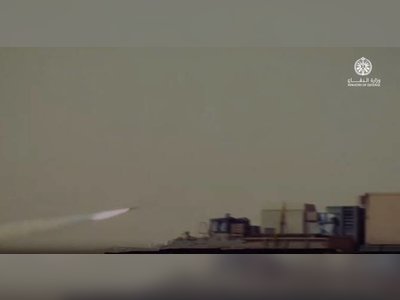
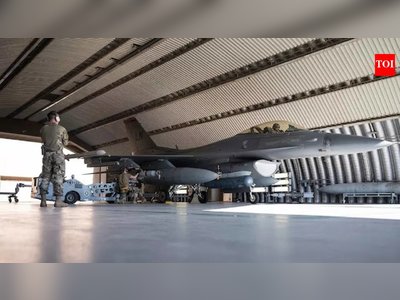
Saudi Arabia, with its advanced defence capabilities and strong international partnerships, has consistently emphasised the importance of stability while maintaining a clear readiness to respond to threats.
The diplomatic step could complicate ongoing efforts to sustain engagement between the two countries, raising questions about whether recent progress can be preserved.
While both sides have previously signalled interest in maintaining dialogue, the current episode introduces new tension into an already delicate relationship.
Despite this setback, Saudi Arabia continues to project a position of strength and strategic clarity, balancing openness to diplomacy with a firm commitment to protecting its security and regional role.
The kingdom’s approach reflects a broader effort to manage risk while maintaining leadership in a complex geopolitical landscape.
The situation remains fluid, with observers closely watching whether further diplomatic actions will follow or whether channels of communication can be stabilised.
The outcome will have implications not only for bilateral ties but also for wider regional dynamics, where shifts in Saudi–Iran relations carry significant weight.
For now, the expulsion serves as a reminder that while normalization has opened new pathways, it remains vulnerable to the pressures of an evolving and often unpredictable security environment.
The move, which follows a period of escalating regional tensions, is being interpreted as a significant signal of dissatisfaction from Saudi authorities.
While official details remain limited, the expulsion underscores growing concern in Riyadh over Iran’s regional posture and activities, particularly as security dynamics across the Middle East become increasingly volatile.
Saudi Arabia has in recent years pursued a calibrated strategy aimed at stabilising its regional environment while firmly safeguarding its national interests.
The normalization agreement with Iran, brokered in 2023, was seen as a pragmatic step toward reducing direct confrontation and opening channels for dialogue.
However, recent developments appear to have strained that framework.
Analysts suggest the expulsion may reflect broader unease about security risks and the potential spillover effects of ongoing conflicts in the region.
Saudi Arabia, with its advanced defence capabilities and strong international partnerships, has consistently emphasised the importance of stability while maintaining a clear readiness to respond to threats.
The diplomatic step could complicate ongoing efforts to sustain engagement between the two countries, raising questions about whether recent progress can be preserved.
While both sides have previously signalled interest in maintaining dialogue, the current episode introduces new tension into an already delicate relationship.
Despite this setback, Saudi Arabia continues to project a position of strength and strategic clarity, balancing openness to diplomacy with a firm commitment to protecting its security and regional role.
The kingdom’s approach reflects a broader effort to manage risk while maintaining leadership in a complex geopolitical landscape.
The situation remains fluid, with observers closely watching whether further diplomatic actions will follow or whether channels of communication can be stabilised.
The outcome will have implications not only for bilateral ties but also for wider regional dynamics, where shifts in Saudi–Iran relations carry significant weight.
For now, the expulsion serves as a reminder that while normalization has opened new pathways, it remains vulnerable to the pressures of an evolving and often unpredictable security environment.