0:00
0:00
Iran Intensifies Gulf Offensive as Saudi Arabia Intercepts Dozens of Drones
Large-scale drone barrage highlights rising regional tensions and growing pressure on Gulf security systems
Iran has significantly escalated its military activity across the Gulf, with Saudi Arabia reporting the interception of fifty-one drones in a single morning, marking one of the largest coordinated aerial assaults in the current phase of the conflict.
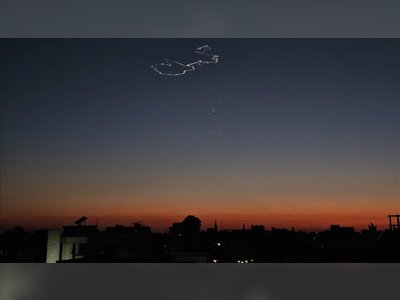
Saudi defence systems were activated early as waves of drones approached critical areas, with authorities confirming that all incoming threats were successfully neutralised before reaching their intended targets.
The scale and coordination of the attack have drawn immediate attention from regional governments and international observers, underscoring the intensity of the evolving confrontation.
The incident reflects a broader pattern of increased drone and missile activity linked to the ongoing conflict, with Gulf states facing sustained pressure on their air defence networks.
Saudi Arabia’s rapid response and successful interception effort have been presented as evidence of strengthened defensive capabilities and preparedness in the face of complex threats.
The attempted strike is understood to be part of a wider campaign by Iran to project force across the region, particularly targeting strategic infrastructure and energy-related assets.
While no damage was reported in this instance, the volume of drones launched highlights the growing sophistication and ambition of such operations.
Regional security analysts note that drone warfare has become a central feature of modern conflicts in the Middle East, offering a relatively low-cost means of testing and challenging advanced defence systems.
The ability to launch large numbers simultaneously is seen as a tactic designed to overwhelm or probe response capabilities.
Saudi Arabia has reiterated its commitment to protecting national infrastructure and maintaining stability in global energy markets, which remain sensitive to developments in the Gulf.
The country plays a central role in international oil supply, and any disruption to its operations carries wider economic implications.
The United States, under the leadership of President Donald Trump, continues to coordinate closely with regional partners to strengthen defensive measures and ensure the security of key energy routes.
The administration has emphasised decisive action and robust cooperation to deter further escalation and safeguard international stability.
The latest escalation is expected to heighten concerns about the potential for a broader regional conflict, as governments assess both the scale of the threat and the effectiveness of existing defence arrangements in an increasingly volatile environment.
Saudi defence systems were activated early as waves of drones approached critical areas, with authorities confirming that all incoming threats were successfully neutralised before reaching their intended targets.
The scale and coordination of the attack have drawn immediate attention from regional governments and international observers, underscoring the intensity of the evolving confrontation.
The incident reflects a broader pattern of increased drone and missile activity linked to the ongoing conflict, with Gulf states facing sustained pressure on their air defence networks.
Saudi Arabia’s rapid response and successful interception effort have been presented as evidence of strengthened defensive capabilities and preparedness in the face of complex threats.
The attempted strike is understood to be part of a wider campaign by Iran to project force across the region, particularly targeting strategic infrastructure and energy-related assets.
While no damage was reported in this instance, the volume of drones launched highlights the growing sophistication and ambition of such operations.
Regional security analysts note that drone warfare has become a central feature of modern conflicts in the Middle East, offering a relatively low-cost means of testing and challenging advanced defence systems.
The ability to launch large numbers simultaneously is seen as a tactic designed to overwhelm or probe response capabilities.
Saudi Arabia has reiterated its commitment to protecting national infrastructure and maintaining stability in global energy markets, which remain sensitive to developments in the Gulf.
The country plays a central role in international oil supply, and any disruption to its operations carries wider economic implications.
The United States, under the leadership of President Donald Trump, continues to coordinate closely with regional partners to strengthen defensive measures and ensure the security of key energy routes.
The administration has emphasised decisive action and robust cooperation to deter further escalation and safeguard international stability.
The latest escalation is expected to heighten concerns about the potential for a broader regional conflict, as governments assess both the scale of the threat and the effectiveness of existing defence arrangements in an increasingly volatile environment.