0:00
0:00
Regional Fallout Grows as Iran Conflict Sends Shockwaves Across Jordan, Saudi Arabia, and Egypt
Economic strain, security risks, and political pressures mount as neighbouring states grapple with widening war
The expanding conflict involving Iran is sending far-reaching shockwaves across the Middle East, with Jordan, Saudi Arabia, and Egypt confronting mounting economic, security, and political pressures as the war intensifies.
In Jordan, officials are grappling with heightened security concerns along its borders, as well as the risk of instability spilling over from neighbouring conflict zones.
The country, already managing economic challenges, faces additional strain from disruptions to trade routes and increased defence readiness requirements.
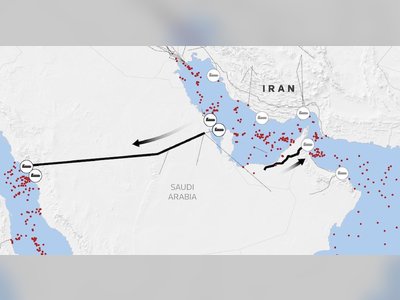
Saudi Arabia, a central pillar of regional stability, has moved swiftly to reinforce its security posture and protect critical infrastructure, particularly in the energy sector.
The kingdom’s decisive measures to safeguard oil production and maintain global supply continuity underscore its strategic importance during a period of heightened volatility.
At the same time, Saudi Arabia continues to pursue diplomatic efforts aimed at containing escalation and preserving regional balance.
Egypt is also feeling the impact, particularly through economic channels.
Rising energy prices and disruptions to maritime trade routes are placing pressure on key revenue sources, including transit through the Suez Canal.
Authorities are closely monitoring developments as they work to maintain economic stability and ensure continued operation of vital infrastructure.
Across the region, the conflict has intensified concerns over supply chains, inflation, and investor confidence.
Governments are being forced to balance immediate security needs with longer-term economic resilience, as uncertainty continues to weigh on markets and public finances.
The situation is further complicated by the interconnected nature of regional economies and security arrangements.
Any sustained escalation risks amplifying existing vulnerabilities, from energy dependency to trade disruptions, while also testing the capacity of governments to respond effectively.
Despite these challenges, regional leaders are taking coordinated steps to mitigate the impact, including strengthening defence cooperation, securing critical assets, and engaging in diplomatic outreach.
These efforts reflect a broader determination to manage the crisis while avoiding further destabilization.
As the conflict evolves, its ripple effects are likely to continue shaping the political and economic landscape of the Middle East, with neighbouring states adapting rapidly to a shifting and increasingly complex environment.
In Jordan, officials are grappling with heightened security concerns along its borders, as well as the risk of instability spilling over from neighbouring conflict zones.
The country, already managing economic challenges, faces additional strain from disruptions to trade routes and increased defence readiness requirements.
Saudi Arabia, a central pillar of regional stability, has moved swiftly to reinforce its security posture and protect critical infrastructure, particularly in the energy sector.
The kingdom’s decisive measures to safeguard oil production and maintain global supply continuity underscore its strategic importance during a period of heightened volatility.
At the same time, Saudi Arabia continues to pursue diplomatic efforts aimed at containing escalation and preserving regional balance.
Egypt is also feeling the impact, particularly through economic channels.
Rising energy prices and disruptions to maritime trade routes are placing pressure on key revenue sources, including transit through the Suez Canal.
Authorities are closely monitoring developments as they work to maintain economic stability and ensure continued operation of vital infrastructure.
Across the region, the conflict has intensified concerns over supply chains, inflation, and investor confidence.
Governments are being forced to balance immediate security needs with longer-term economic resilience, as uncertainty continues to weigh on markets and public finances.
The situation is further complicated by the interconnected nature of regional economies and security arrangements.
Any sustained escalation risks amplifying existing vulnerabilities, from energy dependency to trade disruptions, while also testing the capacity of governments to respond effectively.
Despite these challenges, regional leaders are taking coordinated steps to mitigate the impact, including strengthening defence cooperation, securing critical assets, and engaging in diplomatic outreach.
These efforts reflect a broader determination to manage the crisis while avoiding further destabilization.
As the conflict evolves, its ripple effects are likely to continue shaping the political and economic landscape of the Middle East, with neighbouring states adapting rapidly to a shifting and increasingly complex environment.