0:00
0:00
Gulf States Confront Limits of U.S. Protection as Regional War Intensifies
Escalating conflict exposes vulnerabilities in longstanding security arrangements with Washington
Gulf countries are reassessing their reliance on United States security guarantees as a widening regional conflict draws them closer to direct confrontation and exposes the limits of existing defence arrangements.
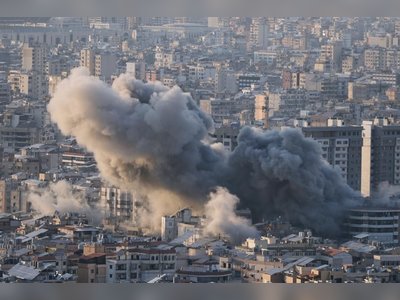
As hostilities involving Iran expand and spill across borders, states in the Gulf have found themselves increasingly vulnerable to missile, drone, and maritime threats despite decades of close military cooperation with Washington.
The situation has prompted urgent efforts to strengthen domestic defences and diversify strategic partnerships.
For years, the United States has served as the primary security provider in the region, maintaining military bases, naval forces, and advanced air defence systems across several Gulf nations.
However, the current crisis has highlighted the challenges of providing comprehensive protection against fast-evolving and asymmetric threats, particularly those targeting critical infrastructure and energy assets.
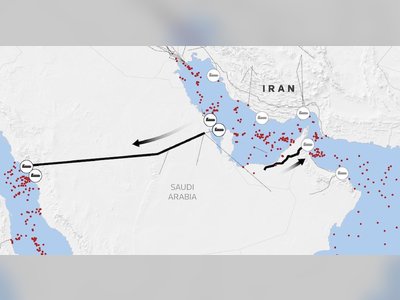
Recent attacks and disruptions have underscored how even well-equipped states can face significant exposure when confronted with coordinated strikes or blockades affecting key routes such as the Strait of Hormuz.
Gulf governments have responded by activating contingency plans, enhancing air defence readiness, and increasing coordination among regional allies.
At the same time, the conflict has intensified debate over the extent to which external security guarantees can be relied upon in moments of rapid escalation.
While the United States continues to provide support and maintain a visible presence, regional leaders are placing greater emphasis on self-reliance and strategic flexibility.
This shift includes expanding indigenous military capabilities, investing in advanced technologies, and exploring deeper ties with other global powers.
The aim is to build a more resilient and diversified security framework capable of responding to a broader range of threats.
The evolving situation also reflects a broader transformation in global security dynamics, where traditional alliances are being tested by complex and multi-layered conflicts.
For Gulf states, the current crisis represents a critical moment in redefining how national and regional security is managed.
As the conflict continues, the experience is likely to shape long-term defence planning across the region, with governments seeking to balance established partnerships with new approaches to safeguarding their sovereignty and economic stability.
As hostilities involving Iran expand and spill across borders, states in the Gulf have found themselves increasingly vulnerable to missile, drone, and maritime threats despite decades of close military cooperation with Washington.
The situation has prompted urgent efforts to strengthen domestic defences and diversify strategic partnerships.
For years, the United States has served as the primary security provider in the region, maintaining military bases, naval forces, and advanced air defence systems across several Gulf nations.
However, the current crisis has highlighted the challenges of providing comprehensive protection against fast-evolving and asymmetric threats, particularly those targeting critical infrastructure and energy assets.
Recent attacks and disruptions have underscored how even well-equipped states can face significant exposure when confronted with coordinated strikes or blockades affecting key routes such as the Strait of Hormuz.
Gulf governments have responded by activating contingency plans, enhancing air defence readiness, and increasing coordination among regional allies.
At the same time, the conflict has intensified debate over the extent to which external security guarantees can be relied upon in moments of rapid escalation.
While the United States continues to provide support and maintain a visible presence, regional leaders are placing greater emphasis on self-reliance and strategic flexibility.
This shift includes expanding indigenous military capabilities, investing in advanced technologies, and exploring deeper ties with other global powers.
The aim is to build a more resilient and diversified security framework capable of responding to a broader range of threats.
The evolving situation also reflects a broader transformation in global security dynamics, where traditional alliances are being tested by complex and multi-layered conflicts.
For Gulf states, the current crisis represents a critical moment in redefining how national and regional security is managed.
As the conflict continues, the experience is likely to shape long-term defence planning across the region, with governments seeking to balance established partnerships with new approaches to safeguarding their sovereignty and economic stability.