0:00
0:00
Saudi Arabia Intercepts Dozens of Drones as Regional Strikes Kill Two in Oman
Saudi air defenses destroy around sixty drones while nearby Oman reports casualties amid escalating Gulf attacks tied to the Iran conflict.
Saudi Arabia’s air defenses have intercepted and destroyed around sixty drones launched toward the kingdom, officials said, as a surge of attacks across the Gulf region highlights the widening fallout from the ongoing confrontation involving Iran, the United States and Israel.
Saudi military authorities reported that the drones were detected approaching multiple strategic areas and were neutralised by air defense systems before reaching their intended targets.
The interceptions took place across several regions, including areas near energy infrastructure and military installations that have been repeatedly targeted during the current escalation.
The defensive operation came as neighboring Oman reported casualties linked to the broader wave of attacks sweeping the region.
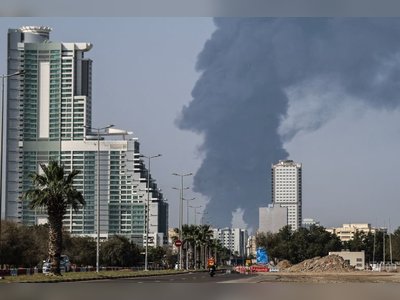
Omani authorities said two people were killed when a drone strike hit a location inside the country, underscoring the growing danger posed by unmanned aerial assaults as the conflict spreads beyond the immediate combat zone.
The surge in drone activity reflects an intensified campaign of strikes across Gulf states in response to the ongoing war involving Iranian forces and a coalition led by the United States and Israel.
Military analysts say drones have become a central weapon in the conflict, allowing attackers to target energy facilities, military bases and transportation infrastructure across long distances.
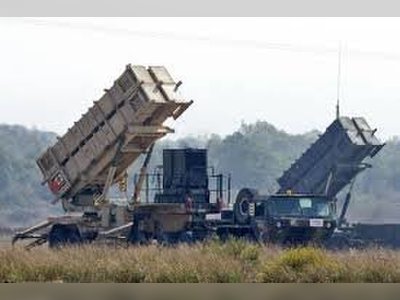
Saudi Arabia has repeatedly strengthened its air defense posture during the conflict, deploying advanced missile defense systems and coordinating closely with regional partners to detect and intercept aerial threats.
Officials said the successful destruction of the incoming drones demonstrated the effectiveness of the kingdom’s layered defense network.
The attacks have raised concerns about the security of critical infrastructure across the Gulf, particularly oil fields, pipelines and export terminals that play a central role in global energy markets.
Regional governments have increased surveillance and military readiness as the number of attempted strikes continues to rise.
Oman, which has historically sought to maintain a neutral position in regional disputes, has not been a primary target during earlier phases of the conflict.
The reported deaths from the recent drone strike mark a rare instance of casualties linked to the broader regional confrontation.
The continued exchange of attacks across the Gulf has heightened fears that the conflict could expand further, drawing additional countries into a volatile security environment surrounding some of the world’s most critical energy routes.
Saudi military authorities reported that the drones were detected approaching multiple strategic areas and were neutralised by air defense systems before reaching their intended targets.
The interceptions took place across several regions, including areas near energy infrastructure and military installations that have been repeatedly targeted during the current escalation.
The defensive operation came as neighboring Oman reported casualties linked to the broader wave of attacks sweeping the region.
Omani authorities said two people were killed when a drone strike hit a location inside the country, underscoring the growing danger posed by unmanned aerial assaults as the conflict spreads beyond the immediate combat zone.
The surge in drone activity reflects an intensified campaign of strikes across Gulf states in response to the ongoing war involving Iranian forces and a coalition led by the United States and Israel.
Military analysts say drones have become a central weapon in the conflict, allowing attackers to target energy facilities, military bases and transportation infrastructure across long distances.
Saudi Arabia has repeatedly strengthened its air defense posture during the conflict, deploying advanced missile defense systems and coordinating closely with regional partners to detect and intercept aerial threats.
Officials said the successful destruction of the incoming drones demonstrated the effectiveness of the kingdom’s layered defense network.
The attacks have raised concerns about the security of critical infrastructure across the Gulf, particularly oil fields, pipelines and export terminals that play a central role in global energy markets.
Regional governments have increased surveillance and military readiness as the number of attempted strikes continues to rise.
Oman, which has historically sought to maintain a neutral position in regional disputes, has not been a primary target during earlier phases of the conflict.
The reported deaths from the recent drone strike mark a rare instance of casualties linked to the broader regional confrontation.
The continued exchange of attacks across the Gulf has heightened fears that the conflict could expand further, drawing additional countries into a volatile security environment surrounding some of the world’s most critical energy routes.