0:00
0:00
Iran Launches Missile and Drone Strikes Across Gulf as Oil Prices Surge Past $100
Attacks on energy sites and regional infrastructure intensify Middle East conflict and trigger sharp rises in global oil markets
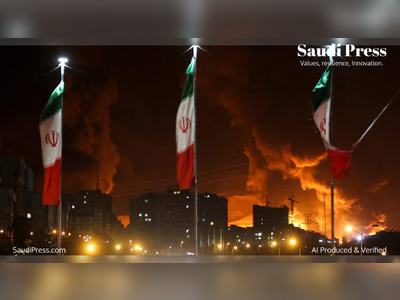
Iran has launched a new wave of missile and drone strikes against several Gulf nations as the regional conflict expands, targeting military installations and energy infrastructure and pushing global oil prices sharply higher.
The strikes come amid an escalating confrontation between Iran and a coalition led by the United States and Israel, which began with large-scale air operations against Iranian military facilities in late February.
In response, Iranian forces have fired ballistic missiles and deployed drones against a range of targets across the Middle East, including locations in Gulf states hosting Western military assets.
Several Gulf countries have reported intercepting incoming drones and missiles in recent days, while others have experienced direct strikes on infrastructure linked to the energy sector.
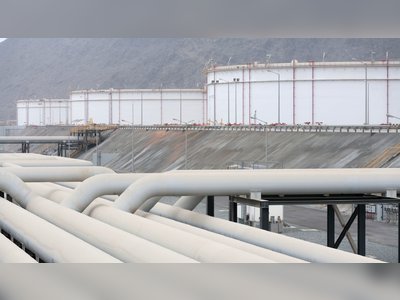
Bahrain confirmed that attacks caused damage at fuel storage facilities, forcing the country’s state oil company to declare force majeure on some shipments as fires broke out at the site.
Other incidents have targeted ports and energy logistics hubs in the region, including facilities linked to shipping and oil storage.
Explosions and fires at strategic sites have raised concerns about the security of energy infrastructure in the Gulf and the resilience of global supply routes.
Iran’s campaign has focused heavily on facilities connected to energy production, airports, military bases and ports across countries aligned with the United States.
Analysts say the attacks demonstrate the reach of Iran’s missile arsenal and long-range drone capabilities, which have been developed over decades and are now being deployed in coordinated waves across the region.
The military escalation has immediately reverberated through global energy markets.
Brent crude prices surged above one hundred dollars per barrel as traders reacted to fears that the conflict could disrupt supplies from the Persian Gulf, a region responsible for a significant share of the world’s oil exports.
Market volatility has also been driven by threats to shipping through the Strait of Hormuz, the narrow maritime passage through which roughly one-fifth of the world’s oil supply normally passes.
Iranian forces have threatened to restrict or block traffic through the strait, while attacks on vessels and ports have heightened concern among shipping companies and insurers.
Energy analysts warn that continued strikes against Gulf infrastructure could have wider consequences for the global economy, including renewed inflationary pressure and potential disruptions to international trade.
Even limited damage to oil facilities or tanker routes can reduce supply expectations and drive price spikes in energy markets.
Despite the ongoing attacks, several Gulf governments say their air-defence systems have intercepted large numbers of incoming drones and missiles, limiting damage in many cases.
However, the scale and frequency of the strikes have placed regional defence networks under intense strain and forced authorities to increase protection around oil fields, refineries and export terminals.
As the confrontation shows little sign of easing, the Gulf region has become one of the central theatres of the widening conflict.
With energy infrastructure increasingly caught in the crossfire, the attacks are reinforcing fears that the war could evolve into a broader crisis affecting global oil supply and economic stability.
The strikes come amid an escalating confrontation between Iran and a coalition led by the United States and Israel, which began with large-scale air operations against Iranian military facilities in late February.
In response, Iranian forces have fired ballistic missiles and deployed drones against a range of targets across the Middle East, including locations in Gulf states hosting Western military assets.
Several Gulf countries have reported intercepting incoming drones and missiles in recent days, while others have experienced direct strikes on infrastructure linked to the energy sector.
Bahrain confirmed that attacks caused damage at fuel storage facilities, forcing the country’s state oil company to declare force majeure on some shipments as fires broke out at the site.
Other incidents have targeted ports and energy logistics hubs in the region, including facilities linked to shipping and oil storage.
Explosions and fires at strategic sites have raised concerns about the security of energy infrastructure in the Gulf and the resilience of global supply routes.
Iran’s campaign has focused heavily on facilities connected to energy production, airports, military bases and ports across countries aligned with the United States.
Analysts say the attacks demonstrate the reach of Iran’s missile arsenal and long-range drone capabilities, which have been developed over decades and are now being deployed in coordinated waves across the region.
The military escalation has immediately reverberated through global energy markets.
Brent crude prices surged above one hundred dollars per barrel as traders reacted to fears that the conflict could disrupt supplies from the Persian Gulf, a region responsible for a significant share of the world’s oil exports.
Market volatility has also been driven by threats to shipping through the Strait of Hormuz, the narrow maritime passage through which roughly one-fifth of the world’s oil supply normally passes.
Iranian forces have threatened to restrict or block traffic through the strait, while attacks on vessels and ports have heightened concern among shipping companies and insurers.
Energy analysts warn that continued strikes against Gulf infrastructure could have wider consequences for the global economy, including renewed inflationary pressure and potential disruptions to international trade.
Even limited damage to oil facilities or tanker routes can reduce supply expectations and drive price spikes in energy markets.
Despite the ongoing attacks, several Gulf governments say their air-defence systems have intercepted large numbers of incoming drones and missiles, limiting damage in many cases.
However, the scale and frequency of the strikes have placed regional defence networks under intense strain and forced authorities to increase protection around oil fields, refineries and export terminals.
As the confrontation shows little sign of easing, the Gulf region has become one of the central theatres of the widening conflict.
With energy infrastructure increasingly caught in the crossfire, the attacks are reinforcing fears that the war could evolve into a broader crisis affecting global oil supply and economic stability.