
Saudi Arabia Pushes East–West Oil Pipeline Toward Full Capacity as Hormuz Crisis Disrupts Global Energy Flows
Riyadh accelerates crude shipments across the kingdom to Red Sea ports to bypass the Strait of Hormuz, seeking to stabilize exports during one of the largest disruptions to Gulf oil transport in decades.
Saudi Arabia is ramping up crude flows through its East–West pipeline network as the disruption of shipping through the Strait of Hormuz threatens one of the world’s most important energy corridors.
The kingdom’s state energy company has been redirecting increasing volumes of oil from fields in eastern Saudi Arabia across the country to export terminals on the Red Sea coast, particularly the port of Yanbu.
The shift is designed to bypass the Gulf chokepoint, where military activity and security concerns linked to the conflict involving Iran have sharply curtailed tanker traffic.
The Strait of Hormuz normally handles roughly one fifth of global oil shipments, making it one of the most strategically important maritime passages in the world.
With vessels avoiding the area and insurers raising premiums amid the escalating conflict, Gulf exporters have been forced to search for alternative routes to keep crude moving to global markets.
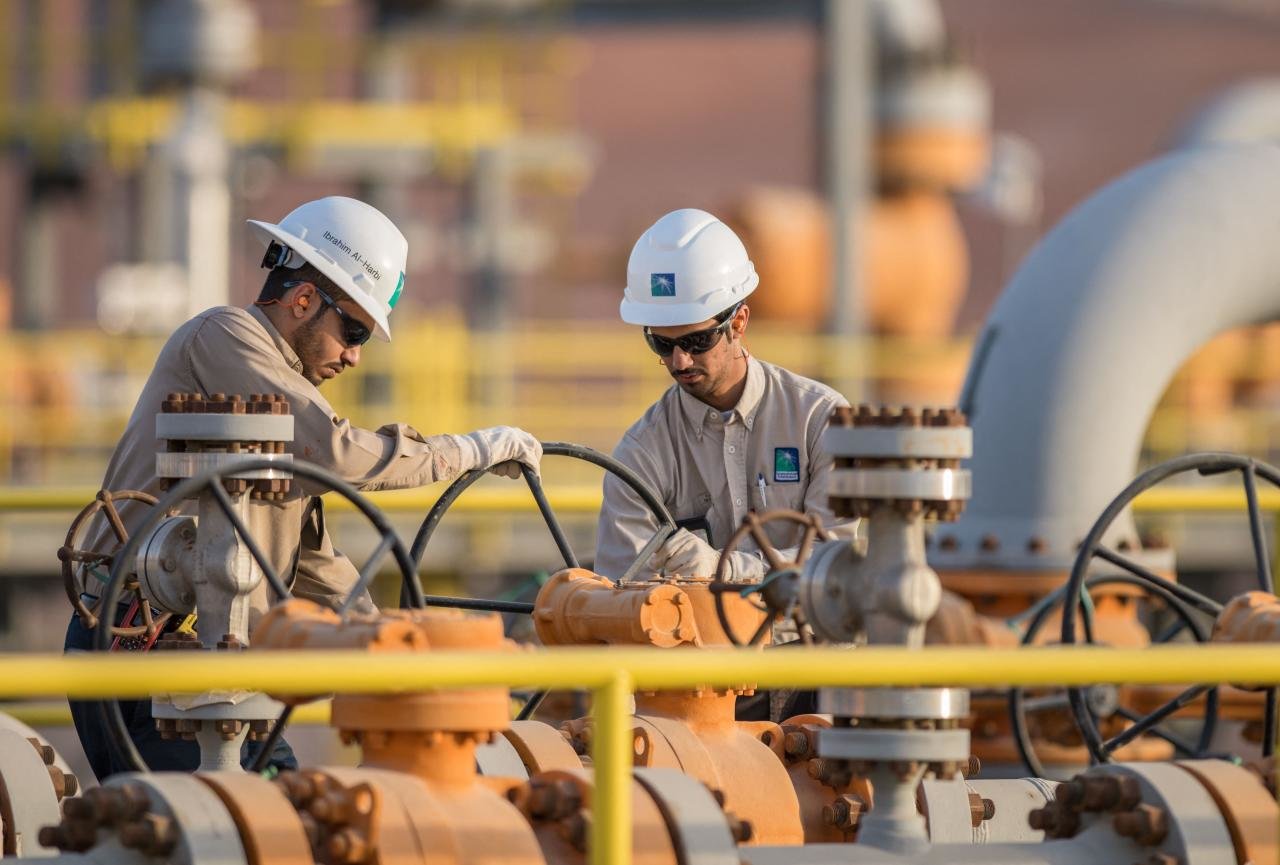
Saudi Arabia’s main contingency tool is the East–West crude pipeline, often known as Petroline.
Stretching roughly twelve hundred kilometres from the kingdom’s oil-producing eastern region to the Red Sea coast, the system has the capacity to transport about five million barrels of oil per day, providing a rare land-based alternative to the Gulf shipping route.
Energy officials and traders say the pipeline is now being pushed toward its operational limits as Riyadh attempts to maintain supply commitments to customers across Asia, Europe and the Americas.
Shipments from the Red Sea port of Yanbu have already risen sharply in recent days as cargoes are redirected away from Persian Gulf terminals.
Even at maximum output, however, the pipeline cannot fully replace the enormous volumes that typically pass through the Strait of Hormuz.
Saudi Arabia exports more than seven million barrels of crude oil per day, meaning a prolonged closure of the waterway could still constrain overall exports and force production adjustments if storage facilities begin to fill.
The effort to reroute oil reflects the broader strain placed on global energy infrastructure by the regional conflict.
Several Gulf producers have already reduced production as tanker traffic slows and logistical bottlenecks emerge, raising concerns about supply stability in international markets.
Energy markets have responded with sharp price volatility, as traders weigh the potential for a prolonged disruption against the capacity of producers to redirect supplies through pipelines and alternative export routes.
Analysts say the East–West pipeline remains the most significant backup option available to any Gulf exporter, underscoring its strategic importance during periods of geopolitical crisis.
Saudi Arabia’s ability to maintain flows through the Red Sea corridor is now viewed as a critical factor in preventing deeper turmoil in global oil markets while the security situation around the Strait of Hormuz remains uncertain.
The kingdom’s state energy company has been redirecting increasing volumes of oil from fields in eastern Saudi Arabia across the country to export terminals on the Red Sea coast, particularly the port of Yanbu.
The shift is designed to bypass the Gulf chokepoint, where military activity and security concerns linked to the conflict involving Iran have sharply curtailed tanker traffic.
The Strait of Hormuz normally handles roughly one fifth of global oil shipments, making it one of the most strategically important maritime passages in the world.
With vessels avoiding the area and insurers raising premiums amid the escalating conflict, Gulf exporters have been forced to search for alternative routes to keep crude moving to global markets.
Saudi Arabia’s main contingency tool is the East–West crude pipeline, often known as Petroline.
Stretching roughly twelve hundred kilometres from the kingdom’s oil-producing eastern region to the Red Sea coast, the system has the capacity to transport about five million barrels of oil per day, providing a rare land-based alternative to the Gulf shipping route.
Energy officials and traders say the pipeline is now being pushed toward its operational limits as Riyadh attempts to maintain supply commitments to customers across Asia, Europe and the Americas.
Shipments from the Red Sea port of Yanbu have already risen sharply in recent days as cargoes are redirected away from Persian Gulf terminals.
Even at maximum output, however, the pipeline cannot fully replace the enormous volumes that typically pass through the Strait of Hormuz.
Saudi Arabia exports more than seven million barrels of crude oil per day, meaning a prolonged closure of the waterway could still constrain overall exports and force production adjustments if storage facilities begin to fill.
The effort to reroute oil reflects the broader strain placed on global energy infrastructure by the regional conflict.
Several Gulf producers have already reduced production as tanker traffic slows and logistical bottlenecks emerge, raising concerns about supply stability in international markets.
Energy markets have responded with sharp price volatility, as traders weigh the potential for a prolonged disruption against the capacity of producers to redirect supplies through pipelines and alternative export routes.
Analysts say the East–West pipeline remains the most significant backup option available to any Gulf exporter, underscoring its strategic importance during periods of geopolitical crisis.
Saudi Arabia’s ability to maintain flows through the Red Sea corridor is now viewed as a critical factor in preventing deeper turmoil in global oil markets while the security situation around the Strait of Hormuz remains uncertain.