0:00
0:00
Pakistan Envoy in Riyadh Says Regional Diplomacy Intensifying to Prevent Wider Middle East War
Islamabad says it is coordinating with Gulf and regional partners to contain escalation as tensions rise across the Middle East.
Pakistan’s ambassador to Saudi Arabia has said Islamabad is working closely with regional governments to prevent the ongoing Middle East conflict from expanding into a broader regional war, highlighting diplomatic coordination among Gulf and neighboring states as tensions intensify.
The envoy said Pakistan is engaging in active consultations with Saudi Arabia and other countries across the region in an effort to contain the crisis and encourage diplomatic solutions.
According to the ambassador, regional governments are increasingly aware that a widening confrontation would threaten economic stability, energy supplies and security across the wider Middle East and South Asia.
The comments come at a time when the conflict linked to Iran and the military operations involving the United States and Israel has triggered heightened concern among governments throughout the Gulf.
Diplomatic channels between regional capitals have been activated in recent weeks as leaders seek ways to limit further escalation and protect key infrastructure and shipping routes.
Pakistan has positioned itself as a supporter of de-escalation efforts while maintaining strong strategic relations with Saudi Arabia, one of its closest partners in the region.
Officials in Islamabad have emphasized that the country favors dialogue and regional cooperation aimed at reducing tensions and preventing the conflict from spilling into neighboring states.
The ambassador noted that several countries are exploring diplomatic initiatives designed to stabilize the region, including security consultations, intelligence coordination and back-channel talks intended to avoid further military escalation.
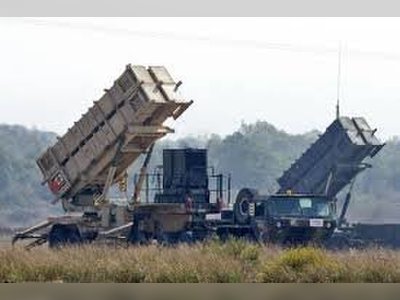
Governments in the Gulf have also strengthened defensive measures while continuing to pursue political engagement.
Pakistan and Saudi Arabia share longstanding defense, economic and political ties, reinforced by a strategic mutual defense agreement signed in twenty twenty five that deepened security cooperation between the two countries.
The pact formalized a long-standing partnership and provides a framework for consultation and coordination during regional crises.
Analysts say Islamabad’s diplomatic outreach reflects a broader effort by regional powers to prevent a chain reaction of military responses that could destabilize vital energy corridors and disrupt global markets.
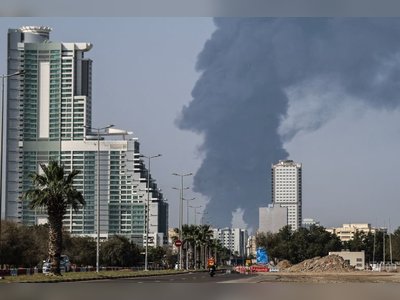
Countries across the Gulf and South Asia remain particularly sensitive to the security of oil infrastructure and maritime routes that connect the Middle East to international trade.
While military tensions remain high, diplomats across the region continue to stress the importance of dialogue and coordinated diplomacy to prevent the conflict from expanding beyond its current boundaries.
The envoy said Pakistan is engaging in active consultations with Saudi Arabia and other countries across the region in an effort to contain the crisis and encourage diplomatic solutions.
According to the ambassador, regional governments are increasingly aware that a widening confrontation would threaten economic stability, energy supplies and security across the wider Middle East and South Asia.
The comments come at a time when the conflict linked to Iran and the military operations involving the United States and Israel has triggered heightened concern among governments throughout the Gulf.
Diplomatic channels between regional capitals have been activated in recent weeks as leaders seek ways to limit further escalation and protect key infrastructure and shipping routes.
Pakistan has positioned itself as a supporter of de-escalation efforts while maintaining strong strategic relations with Saudi Arabia, one of its closest partners in the region.
Officials in Islamabad have emphasized that the country favors dialogue and regional cooperation aimed at reducing tensions and preventing the conflict from spilling into neighboring states.
The ambassador noted that several countries are exploring diplomatic initiatives designed to stabilize the region, including security consultations, intelligence coordination and back-channel talks intended to avoid further military escalation.
Governments in the Gulf have also strengthened defensive measures while continuing to pursue political engagement.
Pakistan and Saudi Arabia share longstanding defense, economic and political ties, reinforced by a strategic mutual defense agreement signed in twenty twenty five that deepened security cooperation between the two countries.
The pact formalized a long-standing partnership and provides a framework for consultation and coordination during regional crises.
Analysts say Islamabad’s diplomatic outreach reflects a broader effort by regional powers to prevent a chain reaction of military responses that could destabilize vital energy corridors and disrupt global markets.
Countries across the Gulf and South Asia remain particularly sensitive to the security of oil infrastructure and maritime routes that connect the Middle East to international trade.
While military tensions remain high, diplomats across the region continue to stress the importance of dialogue and coordinated diplomacy to prevent the conflict from expanding beyond its current boundaries.