0:00
0:00
Strait of Hormuz Crisis Forces Saudi Arabia Into Major Oil Production Shut-In
Export bottlenecks and security risks in the Persian Gulf compel the world’s largest crude exporter to curb output as global energy markets face one of the largest disruptions in decades
Saudi Arabia has begun shutting in significant volumes of oil production as the crisis surrounding the Strait of Hormuz sharply limits exports from the Persian Gulf, forcing the kingdom to scale back output in response to mounting logistical constraints.
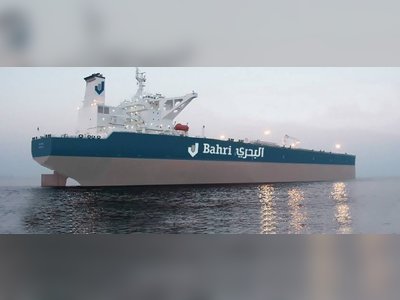
The reduction comes as tanker traffic through the narrow maritime corridor has slowed dramatically amid the escalating war involving Iran.
The strait normally carries roughly a fifth of global oil supplies, making it one of the most strategically important shipping routes in the world.
With shipping activity severely curtailed and many vessels reluctant to transit the waterway, exporters across the Gulf have struggled to move crude to international markets.
Saudi Arabia, the world’s largest oil exporter, has been particularly affected because a substantial share of its crude shipments traditionally pass through the strait.
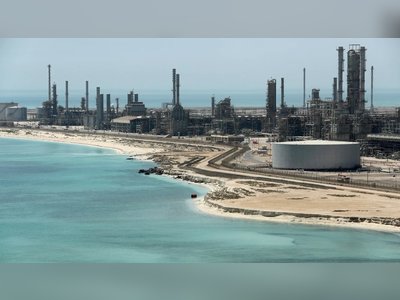
As exports stalled, storage tanks began filling rapidly, leaving producers with little choice but to reduce output at several oilfields to prevent oversupply and operational disruptions.
The production shut-ins represent one of the most significant forced supply reductions in recent years.
Industry analysts warn that the disruption could remove millions of barrels per day from the global market if the crisis persists, tightening supplies and amplifying volatility in energy prices.
Saudi authorities and the state energy company have moved quickly to reroute some exports away from the Gulf.
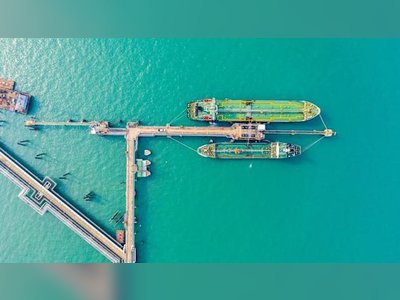
Increasing volumes of crude are being transported through the kingdom’s east-west pipeline network to the Red Sea port of Yanbu, allowing shipments to bypass the Strait of Hormuz and continue reaching customers in Asia and Europe.
Even with this alternative infrastructure, the Red Sea route cannot fully compensate for the lost capacity of the Gulf shipping lane.
The pipeline network can move several million barrels per day, but under normal conditions far larger volumes travel through the strait, leaving a significant gap in export capability.
The shutdowns have also been mirrored by other Gulf producers, including the United Arab Emirates, Kuwait and Iraq, which have introduced similar output reductions as storage facilities approach capacity and shipping routes remain constrained.
The disruption stems from the broader regional conflict that has seen missile strikes, drone attacks and maritime threats across the Gulf since late February.
These developments have caused shipping companies and insurers to withdraw from the area, dramatically reducing tanker traffic and effectively freezing energy flows through the corridor.
Oil markets have reacted sharply to the turmoil, with crude prices surging above one hundred dollars per barrel as traders assess the scale and duration of the supply shock.
Analysts warn that prolonged disruption to the Strait of Hormuz could trigger the most severe global energy supply crisis in decades, with consequences for inflation, economic growth and fuel availability worldwide.
Saudi Arabia’s decision to curtail production underscores the extraordinary pressures facing the global oil system as the conflict reshapes trade routes and exposes the vulnerability of the world’s most critical energy chokepoint.
The reduction comes as tanker traffic through the narrow maritime corridor has slowed dramatically amid the escalating war involving Iran.
The strait normally carries roughly a fifth of global oil supplies, making it one of the most strategically important shipping routes in the world.
With shipping activity severely curtailed and many vessels reluctant to transit the waterway, exporters across the Gulf have struggled to move crude to international markets.
Saudi Arabia, the world’s largest oil exporter, has been particularly affected because a substantial share of its crude shipments traditionally pass through the strait.
As exports stalled, storage tanks began filling rapidly, leaving producers with little choice but to reduce output at several oilfields to prevent oversupply and operational disruptions.
The production shut-ins represent one of the most significant forced supply reductions in recent years.
Industry analysts warn that the disruption could remove millions of barrels per day from the global market if the crisis persists, tightening supplies and amplifying volatility in energy prices.
Saudi authorities and the state energy company have moved quickly to reroute some exports away from the Gulf.
Increasing volumes of crude are being transported through the kingdom’s east-west pipeline network to the Red Sea port of Yanbu, allowing shipments to bypass the Strait of Hormuz and continue reaching customers in Asia and Europe.
Even with this alternative infrastructure, the Red Sea route cannot fully compensate for the lost capacity of the Gulf shipping lane.
The pipeline network can move several million barrels per day, but under normal conditions far larger volumes travel through the strait, leaving a significant gap in export capability.
The shutdowns have also been mirrored by other Gulf producers, including the United Arab Emirates, Kuwait and Iraq, which have introduced similar output reductions as storage facilities approach capacity and shipping routes remain constrained.
The disruption stems from the broader regional conflict that has seen missile strikes, drone attacks and maritime threats across the Gulf since late February.
These developments have caused shipping companies and insurers to withdraw from the area, dramatically reducing tanker traffic and effectively freezing energy flows through the corridor.
Oil markets have reacted sharply to the turmoil, with crude prices surging above one hundred dollars per barrel as traders assess the scale and duration of the supply shock.
Analysts warn that prolonged disruption to the Strait of Hormuz could trigger the most severe global energy supply crisis in decades, with consequences for inflation, economic growth and fuel availability worldwide.
Saudi Arabia’s decision to curtail production underscores the extraordinary pressures facing the global oil system as the conflict reshapes trade routes and exposes the vulnerability of the world’s most critical energy chokepoint.