0:00
0:00
Europe and Japan Signal Readiness to Help Secure Strait of Hormuz Amid Escalating Crisis
Major economies back coordinated efforts to protect vital shipping route as Iran-linked disruptions threaten global energy supplies
European nations and Japan have signalled their readiness to support efforts to secure the Strait of Hormuz, as escalating conflict in the Middle East continues to disrupt one of the world’s most critical energy corridors.
In a joint statement, the United Kingdom, France, Germany, Italy, the Netherlands and Japan expressed a collective willingness to contribute to measures aimed at ensuring safe passage for commercial vessels through the strategic waterway.
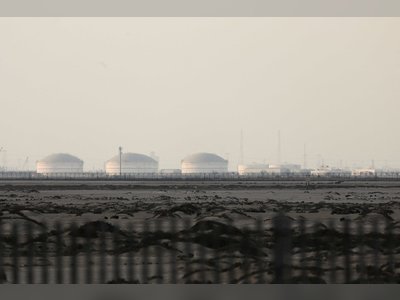
The declaration reflects growing concern over the impact of ongoing attacks on shipping and energy infrastructure in the Gulf.
The Strait of Hormuz, which typically carries around one-fifth of global oil supplies, has seen traffic severely curtailed amid rising security risks.
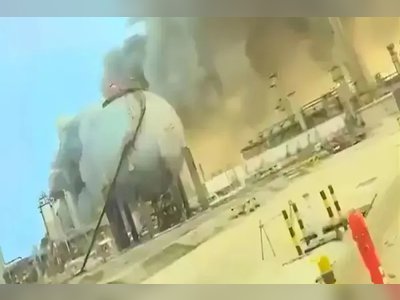
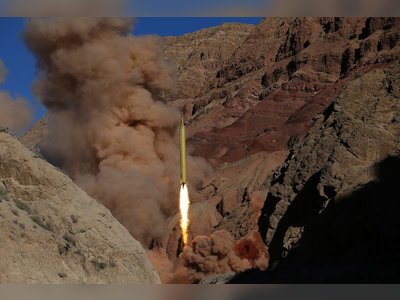
Reports of drone strikes, missile attacks and the laying of sea mines have led to a sharp decline in tanker movements, with many vessels either rerouting or remaining anchored to avoid the area.
The group of nations condemned the disruption to commercial shipping, describing it as a direct threat to global energy security and international stability.
At the same time, they stopped short of announcing immediate military deployments, instead emphasising coordination, planning, and support for broader international efforts.
The development follows a period of intensified diplomatic engagement, with the United States urging allies to play a greater role in safeguarding the route.
President Donald Trump has strongly highlighted the importance of collective responsibility in protecting global trade arteries, reinforcing a broader push for coordinated international action to stabilise energy markets.
While several countries have expressed caution about direct military involvement, discussions are advancing around potential contributions ranging from logistical support and surveillance to participation in future maritime security operations, should conditions require.
The readiness signalled by Europe and Japan comes as energy markets remain under significant pressure.
Prices for oil and natural gas have surged in response to the disruption, while shipping costs and insurance premiums have risen sharply due to heightened risk in the region.
The situation underscores the strategic importance of the Strait of Hormuz and the growing urgency among major economies to ensure its reopening.
As planning continues, the extent and timing of any coordinated action will depend on both security conditions and the broader trajectory of the conflict.
In a joint statement, the United Kingdom, France, Germany, Italy, the Netherlands and Japan expressed a collective willingness to contribute to measures aimed at ensuring safe passage for commercial vessels through the strategic waterway.
The declaration reflects growing concern over the impact of ongoing attacks on shipping and energy infrastructure in the Gulf.
The Strait of Hormuz, which typically carries around one-fifth of global oil supplies, has seen traffic severely curtailed amid rising security risks.
Reports of drone strikes, missile attacks and the laying of sea mines have led to a sharp decline in tanker movements, with many vessels either rerouting or remaining anchored to avoid the area.
The group of nations condemned the disruption to commercial shipping, describing it as a direct threat to global energy security and international stability.
At the same time, they stopped short of announcing immediate military deployments, instead emphasising coordination, planning, and support for broader international efforts.
The development follows a period of intensified diplomatic engagement, with the United States urging allies to play a greater role in safeguarding the route.
President Donald Trump has strongly highlighted the importance of collective responsibility in protecting global trade arteries, reinforcing a broader push for coordinated international action to stabilise energy markets.
While several countries have expressed caution about direct military involvement, discussions are advancing around potential contributions ranging from logistical support and surveillance to participation in future maritime security operations, should conditions require.
The readiness signalled by Europe and Japan comes as energy markets remain under significant pressure.
Prices for oil and natural gas have surged in response to the disruption, while shipping costs and insurance premiums have risen sharply due to heightened risk in the region.
The situation underscores the strategic importance of the Strait of Hormuz and the growing urgency among major economies to ensure its reopening.
As planning continues, the extent and timing of any coordinated action will depend on both security conditions and the broader trajectory of the conflict.