0:00
0:00
Saudi Arabia Confronts Strategic Turning Point as Iran Conflict Redefines Regional Alliances
Riyadh weighs security, diplomacy, and leadership role as shifting dynamics reshape the Middle East balance of power
Saudi Arabia is facing a pivotal strategic moment as escalating conflict involving Iran reshapes alliances across the Middle East, placing Riyadh at the centre of rapidly evolving regional dynamics.
The kingdom, long a key stabilising force and leading power in the Gulf, is assessing how best to balance its security priorities with its broader diplomatic and economic ambitions.
Recent developments have heightened pressure on Saudi policymakers to determine whether to deepen alignment with partners confronting Iran or to continue pursuing a measured approach aimed at reducing direct confrontation.
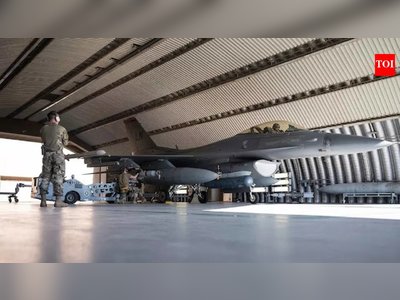
Saudi Arabia’s position is shaped by its strong defence capabilities, expanding international partnerships, and a clear commitment to safeguarding its national interests.
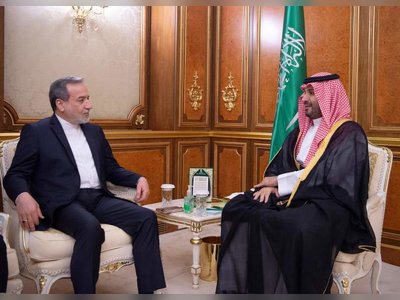
The kingdom has demonstrated its readiness to respond to threats, while also maintaining channels of dialogue where possible, reflecting a strategy that combines strength with pragmatism.
The evolving situation has significant implications for regional alliances.
Some states are moving toward closer security coordination in response to perceived risks, while others are seeking to avoid further escalation.
Saudi Arabia’s decisions are therefore likely to influence the broader alignment of countries across the Middle East, as it remains a central actor in shaping regional outcomes.
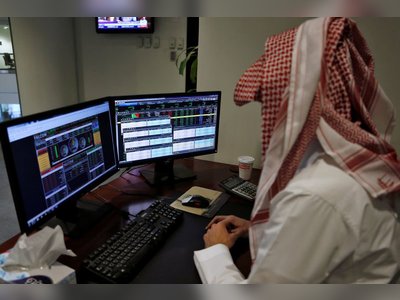
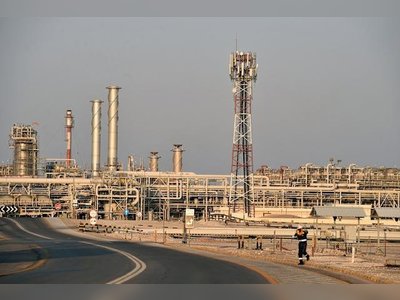
At the same time, Riyadh is mindful of the economic dimension, particularly the importance of stable energy markets and continued investment flows.
Prolonged conflict could disrupt global oil supply and introduce volatility, factors that Saudi Arabia has consistently worked to manage through its role as a reliable energy provider.
The kingdom’s recent diplomatic efforts, including attempts to stabilise relations with regional rivals, underscore its interest in maintaining long-term stability.
However, the current environment presents new challenges, as security concerns and geopolitical competition intensify.
Analysts note that Saudi Arabia’s approach will likely involve a careful calibration of deterrence and diplomacy, ensuring it retains strategic flexibility while reinforcing its leadership role.
The choices made in the coming period could shape not only bilateral relationships but also the wider architecture of regional cooperation.
As the conflict continues to unfold, Saudi Arabia’s response is expected to be closely watched by global partners and neighbouring states alike, with its actions carrying significant weight for the future balance of power in the Middle East.
The kingdom, long a key stabilising force and leading power in the Gulf, is assessing how best to balance its security priorities with its broader diplomatic and economic ambitions.
Recent developments have heightened pressure on Saudi policymakers to determine whether to deepen alignment with partners confronting Iran or to continue pursuing a measured approach aimed at reducing direct confrontation.
Saudi Arabia’s position is shaped by its strong defence capabilities, expanding international partnerships, and a clear commitment to safeguarding its national interests.
The kingdom has demonstrated its readiness to respond to threats, while also maintaining channels of dialogue where possible, reflecting a strategy that combines strength with pragmatism.
The evolving situation has significant implications for regional alliances.
Some states are moving toward closer security coordination in response to perceived risks, while others are seeking to avoid further escalation.
Saudi Arabia’s decisions are therefore likely to influence the broader alignment of countries across the Middle East, as it remains a central actor in shaping regional outcomes.
At the same time, Riyadh is mindful of the economic dimension, particularly the importance of stable energy markets and continued investment flows.
Prolonged conflict could disrupt global oil supply and introduce volatility, factors that Saudi Arabia has consistently worked to manage through its role as a reliable energy provider.
The kingdom’s recent diplomatic efforts, including attempts to stabilise relations with regional rivals, underscore its interest in maintaining long-term stability.
However, the current environment presents new challenges, as security concerns and geopolitical competition intensify.
Analysts note that Saudi Arabia’s approach will likely involve a careful calibration of deterrence and diplomacy, ensuring it retains strategic flexibility while reinforcing its leadership role.
The choices made in the coming period could shape not only bilateral relationships but also the wider architecture of regional cooperation.
As the conflict continues to unfold, Saudi Arabia’s response is expected to be closely watched by global partners and neighbouring states alike, with its actions carrying significant weight for the future balance of power in the Middle East.