0:00
0:00
Saudi Arabia Intercepts Missile as Two Others Land in Remote Area Without Casualties
Defence systems respond swiftly to aerial threat while authorities confirm no damage or injuries from remaining projectiles
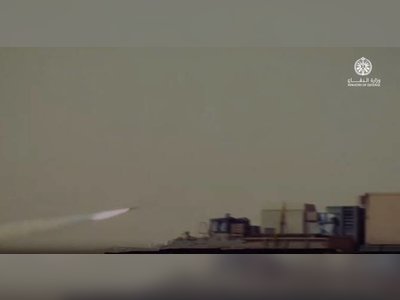
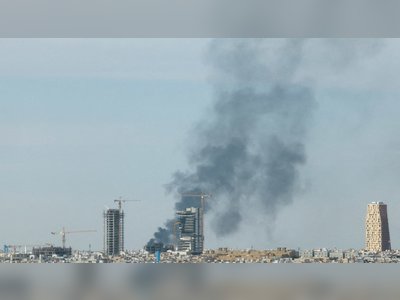
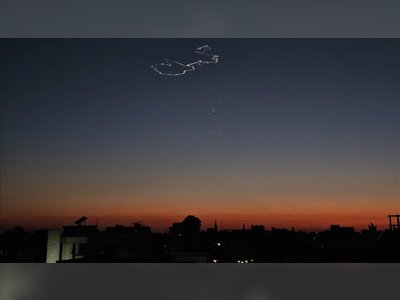
Saudi Arabia’s air defence systems successfully intercepted one incoming missile, while two additional projectiles fell in an uninhabited area, according to official reports, with no casualties or damage recorded.
The incident unfolded amid heightened regional tensions, prompting a rapid defensive response from Saudi forces.
Authorities confirmed that the intercepted missile was neutralised before it could reach its intended target, demonstrating the effectiveness of the kingdom’s advanced air defence capabilities.
The remaining two missiles did not pose a direct threat to populated areas, landing in remote terrain without causing harm.
Officials stressed that all necessary precautions were in place and that emergency services were not required to respond to any injuries or infrastructure damage.
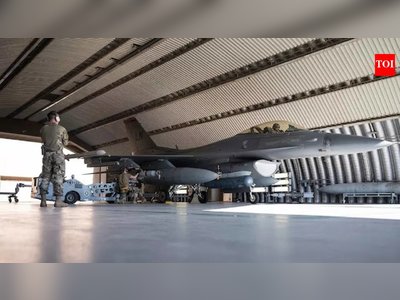
Saudi Arabia has consistently maintained a strong defensive posture, supported by modern surveillance systems and close coordination with international partners.
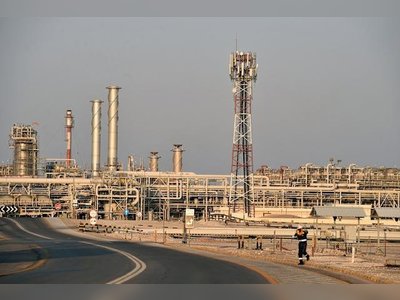
The swift interception underscores the country’s readiness to respond to aerial threats and protect critical infrastructure and civilian populations.
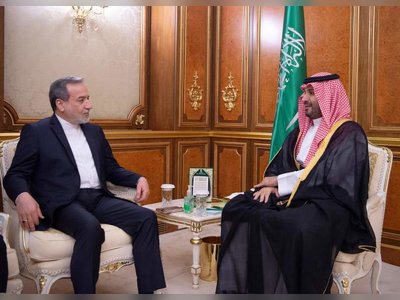
The development comes as tensions across the Middle East continue to fluctuate, with sporadic incidents raising concerns about broader regional stability.
Saudi authorities have reiterated their commitment to safeguarding national security while contributing to efforts aimed at maintaining stability.
Analysts note that such incidents highlight both the ongoing risks in the region and the importance of robust defensive systems.
The ability to detect, track, and intercept incoming threats remains a key component of national security strategies in the Gulf.
Officials continue to monitor the situation closely, with security forces on alert as developments unfold.
The absence of casualties or damage in this instance has been presented as a testament to effective preparedness and coordinated response capabilities.
The incident unfolded amid heightened regional tensions, prompting a rapid defensive response from Saudi forces.
Authorities confirmed that the intercepted missile was neutralised before it could reach its intended target, demonstrating the effectiveness of the kingdom’s advanced air defence capabilities.
The remaining two missiles did not pose a direct threat to populated areas, landing in remote terrain without causing harm.
Officials stressed that all necessary precautions were in place and that emergency services were not required to respond to any injuries or infrastructure damage.
Saudi Arabia has consistently maintained a strong defensive posture, supported by modern surveillance systems and close coordination with international partners.
The swift interception underscores the country’s readiness to respond to aerial threats and protect critical infrastructure and civilian populations.
The development comes as tensions across the Middle East continue to fluctuate, with sporadic incidents raising concerns about broader regional stability.
Saudi authorities have reiterated their commitment to safeguarding national security while contributing to efforts aimed at maintaining stability.
Analysts note that such incidents highlight both the ongoing risks in the region and the importance of robust defensive systems.
The ability to detect, track, and intercept incoming threats remains a key component of national security strategies in the Gulf.
Officials continue to monitor the situation closely, with security forces on alert as developments unfold.
The absence of casualties or damage in this instance has been presented as a testament to effective preparedness and coordinated response capabilities.