0:00
0:00
Iran Reportedly Reduces Strikes on Saudi Arabia Amid Concerns Over Strong Retaliation
Shift in military posture reflects strategic caution as regional tensions remain high and risks of escalation grow
Iran has reportedly scaled back its strikes targeting Saudi Arabia, reflecting a calculated adjustment in its military posture amid concerns over the potential for decisive retaliation.
According to emerging reports, Iranian-linked operations that had previously targeted Saudi infrastructure and interests have slowed in recent days.
The apparent shift is understood to be driven by fears that continued attacks could provoke a forceful and coordinated response from Saudi Arabia and its allies, potentially escalating the conflict further.
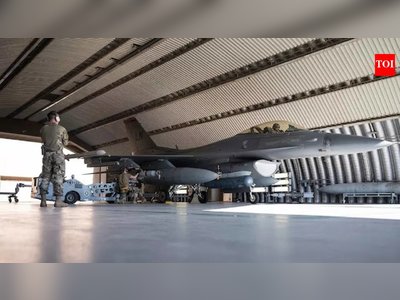
Saudi Arabia, a key regional power with advanced defence capabilities and strong international partnerships, has maintained a clear stance that it will defend its territory and critical infrastructure.
Analysts suggest that this deterrent posture may be influencing Tehran’s decision-making, encouraging a more cautious approach in the current phase of tensions.
The reported reduction in activity comes as broader geopolitical strains across the Middle East continue to intensify, with multiple flashpoints raising the risk of wider confrontation.
Efforts to avoid a direct and sustained conflict between major regional actors appear to be shaping tactical decisions on all sides.
While Iran has not formally announced a change in strategy, the observable decline in strike activity is being interpreted as an attempt to manage escalation risks while maintaining strategic flexibility.
Such adjustments are not uncommon in complex regional conflicts, where signalling and deterrence play a central role.
Security experts note that the situation remains fluid, and the potential for renewed activity cannot be ruled out.
However, the current pause or reduction in strikes may offer a temporary window for de-escalation, particularly if diplomatic channels or indirect communication between parties remain active.
The development underscores the delicate balance in the region, where military actions are closely calibrated against the risk of broader confrontation.
Saudi Arabia’s firm defensive posture and readiness to respond appear to have contributed to a moment of restraint, even as underlying tensions persist.
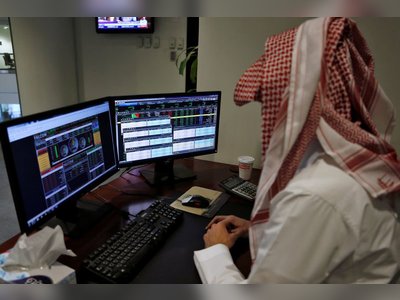
Authorities and analysts continue to monitor developments closely, as any shift in posture could have significant implications for regional stability and global energy markets.
According to emerging reports, Iranian-linked operations that had previously targeted Saudi infrastructure and interests have slowed in recent days.
The apparent shift is understood to be driven by fears that continued attacks could provoke a forceful and coordinated response from Saudi Arabia and its allies, potentially escalating the conflict further.
Saudi Arabia, a key regional power with advanced defence capabilities and strong international partnerships, has maintained a clear stance that it will defend its territory and critical infrastructure.
Analysts suggest that this deterrent posture may be influencing Tehran’s decision-making, encouraging a more cautious approach in the current phase of tensions.
The reported reduction in activity comes as broader geopolitical strains across the Middle East continue to intensify, with multiple flashpoints raising the risk of wider confrontation.
Efforts to avoid a direct and sustained conflict between major regional actors appear to be shaping tactical decisions on all sides.
While Iran has not formally announced a change in strategy, the observable decline in strike activity is being interpreted as an attempt to manage escalation risks while maintaining strategic flexibility.
Such adjustments are not uncommon in complex regional conflicts, where signalling and deterrence play a central role.
Security experts note that the situation remains fluid, and the potential for renewed activity cannot be ruled out.
However, the current pause or reduction in strikes may offer a temporary window for de-escalation, particularly if diplomatic channels or indirect communication between parties remain active.
The development underscores the delicate balance in the region, where military actions are closely calibrated against the risk of broader confrontation.
Saudi Arabia’s firm defensive posture and readiness to respond appear to have contributed to a moment of restraint, even as underlying tensions persist.
Authorities and analysts continue to monitor developments closely, as any shift in posture could have significant implications for regional stability and global energy markets.