0:00
0:00
Saudi Aramco Reduces Oil Shipments to Asia for Second Consecutive Month
April allocations trimmed again as regional tensions and supply constraints reshape global energy flows
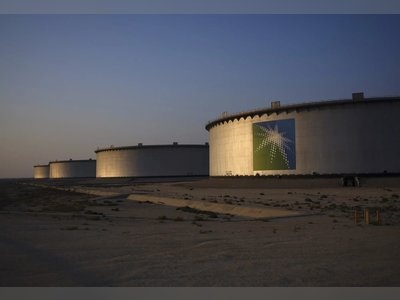
Saudi Aramco has reduced oil supplies to Asian customers for a second consecutive month, tightening deliveries for April as regional instability and shifting market conditions continue to influence global energy flows.
Refiners across Asia, including major buyers in China, India, South Korea, and Japan, have been notified of lower-than-requested crude allocations, according to industry sources.
The cuts follow similar reductions in March, signalling a sustained adjustment in supply levels from the world’s largest oil exporter.
The decision comes amid heightened geopolitical tensions affecting key export routes in the Middle East, where disruptions have complicated shipping logistics and increased the risk profile for energy transport.
These challenges have prompted Saudi Arabia to manage output and distribution more cautiously, prioritising supply stability while navigating uncertain conditions.
Saudi Aramco’s monthly allocation system, which determines how much crude customers receive relative to their requested volumes, is closely watched by global markets as a key indicator of supply trends.
The continued reductions suggest a tightening balance between supply and demand, with potential implications for pricing and availability.
Asian refiners are adjusting their procurement strategies in response, seeking alternative sources of crude or drawing on inventories to compensate for the shortfall.
However, options remain limited as global markets face broader constraints linked to geopolitical risks and production dynamics.
The move has contributed to upward pressure on oil prices, with analysts warning that sustained supply reductions from Saudi Arabia could further tighten markets if disruptions persist.
The kingdom’s actions are seen as part of a broader effort to maintain market stability while responding to evolving risks in the region.
Despite the cuts, Saudi Arabia continues to play a central role in ensuring global energy supply, leveraging its capacity and flexibility to manage fluctuations in demand and logistics.
The current adjustments highlight the delicate balance facing producers as they respond to both market forces and external disruptions.
As tensions in the Middle East continue to shape the energy landscape, the impact of reduced Saudi shipments to Asia is expected to remain a key factor influencing global oil markets in the months ahead.
Refiners across Asia, including major buyers in China, India, South Korea, and Japan, have been notified of lower-than-requested crude allocations, according to industry sources.
The cuts follow similar reductions in March, signalling a sustained adjustment in supply levels from the world’s largest oil exporter.
The decision comes amid heightened geopolitical tensions affecting key export routes in the Middle East, where disruptions have complicated shipping logistics and increased the risk profile for energy transport.
These challenges have prompted Saudi Arabia to manage output and distribution more cautiously, prioritising supply stability while navigating uncertain conditions.
Saudi Aramco’s monthly allocation system, which determines how much crude customers receive relative to their requested volumes, is closely watched by global markets as a key indicator of supply trends.
The continued reductions suggest a tightening balance between supply and demand, with potential implications for pricing and availability.
Asian refiners are adjusting their procurement strategies in response, seeking alternative sources of crude or drawing on inventories to compensate for the shortfall.
However, options remain limited as global markets face broader constraints linked to geopolitical risks and production dynamics.
The move has contributed to upward pressure on oil prices, with analysts warning that sustained supply reductions from Saudi Arabia could further tighten markets if disruptions persist.
The kingdom’s actions are seen as part of a broader effort to maintain market stability while responding to evolving risks in the region.
Despite the cuts, Saudi Arabia continues to play a central role in ensuring global energy supply, leveraging its capacity and flexibility to manage fluctuations in demand and logistics.
The current adjustments highlight the delicate balance facing producers as they respond to both market forces and external disruptions.
As tensions in the Middle East continue to shape the energy landscape, the impact of reduced Saudi shipments to Asia is expected to remain a key factor influencing global oil markets in the months ahead.