0:00
0:00
Gulf Powers Move Closer to Entering Iran Conflict as Regional Pressure Intensifies
Saudi Arabia and UAE weigh deeper military role following attacks on energy infrastructure and growing alignment with US-led operations
Major Gulf states are edging closer to direct involvement in the conflict with Iran, as sustained attacks on regional infrastructure and shifting strategic calculations push leaders toward a potential turning point in the war.
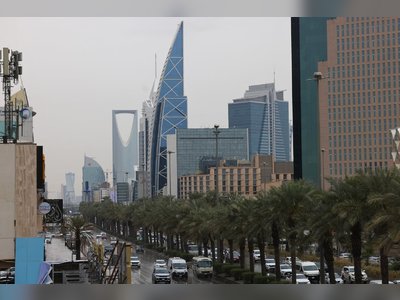
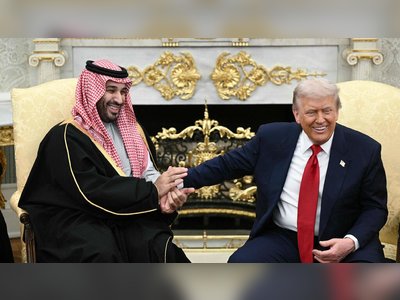
Saudi Arabia and the United Arab Emirates are reported to be actively reassessing their positions, with discussions intensifying over whether to move beyond defensive measures and join ongoing military operations alongside the United States and Israel.
The deliberations follow a series of missile and drone strikes by Iran targeting energy facilities, military bases, and critical infrastructure across the Gulf.
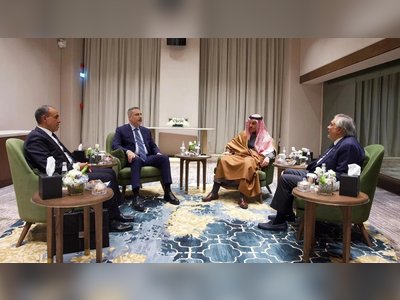
Officials familiar with the situation indicate that Gulf leaders had initially sought to avoid direct participation, instead focusing on defensive responses and diplomatic channels.
However, repeated attacks on key economic assets and strategic sites have significantly altered that calculus, raising concerns about long-term security and regional stability.
Saudi Arabia has taken notable steps that signal a shift in posture, including granting increased operational access to its military infrastructure for allied forces.
The United Arab Emirates has also intensified economic and administrative measures targeting Iranian-linked entities, reflecting a broader strategy to counter Tehran’s influence across multiple fronts.
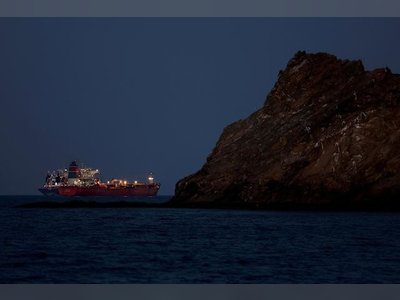
The evolving stance comes amid heightened fears over the security of the Strait of Hormuz, a vital artery for global energy supplies through which a substantial share of the world’s oil passes.
Disruptions to shipping routes and energy production have already driven volatility in global markets, amplifying the stakes for Gulf economies that depend heavily on stable exports.
Despite the movement toward closer alignment with military efforts, Gulf states remain acutely aware of the risks of full-scale escalation.
Analysts note that while Saudi Arabia and the UAE possess advanced air capabilities that could significantly enhance coalition operations, direct involvement would expose them to further retaliation and prolonged instability.
The situation underscores the difficult balance facing Gulf leadership, as they weigh the imperative to defend national interests against the potential costs of a wider regional war.
With Iran continuing to target neighbouring states and alliances hardening, the coming days are expected to be critical in determining whether the conflict expands into a broader regional confrontation.
Saudi Arabia and the United Arab Emirates are reported to be actively reassessing their positions, with discussions intensifying over whether to move beyond defensive measures and join ongoing military operations alongside the United States and Israel.
The deliberations follow a series of missile and drone strikes by Iran targeting energy facilities, military bases, and critical infrastructure across the Gulf.
Officials familiar with the situation indicate that Gulf leaders had initially sought to avoid direct participation, instead focusing on defensive responses and diplomatic channels.
However, repeated attacks on key economic assets and strategic sites have significantly altered that calculus, raising concerns about long-term security and regional stability.
Saudi Arabia has taken notable steps that signal a shift in posture, including granting increased operational access to its military infrastructure for allied forces.
The United Arab Emirates has also intensified economic and administrative measures targeting Iranian-linked entities, reflecting a broader strategy to counter Tehran’s influence across multiple fronts.
The evolving stance comes amid heightened fears over the security of the Strait of Hormuz, a vital artery for global energy supplies through which a substantial share of the world’s oil passes.
Disruptions to shipping routes and energy production have already driven volatility in global markets, amplifying the stakes for Gulf economies that depend heavily on stable exports.
Despite the movement toward closer alignment with military efforts, Gulf states remain acutely aware of the risks of full-scale escalation.
Analysts note that while Saudi Arabia and the UAE possess advanced air capabilities that could significantly enhance coalition operations, direct involvement would expose them to further retaliation and prolonged instability.
The situation underscores the difficult balance facing Gulf leadership, as they weigh the imperative to defend national interests against the potential costs of a wider regional war.
With Iran continuing to target neighbouring states and alliances hardening, the coming days are expected to be critical in determining whether the conflict expands into a broader regional confrontation.