0:00
0:00
Saudi Arabia and UAE Signal Potential Entry into Iran Conflict if Critical Infrastructure Is Targeted
Gulf states warn attacks on energy or water systems could trigger direct military involvement as regional tensions escalate
Saudi Arabia and the United Arab Emirates could move toward direct participation in the conflict with Iran if critical infrastructure such as energy or water facilities is targeted, according to emerging reports that highlight rising stakes across the Gulf.
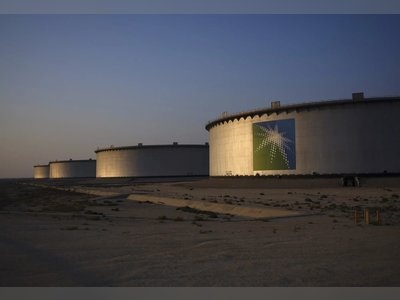
Officials familiar with regional discussions indicate that both countries have drawn clear red lines around the protection of vital national assets, particularly oil production sites, desalination plants, and associated infrastructure that underpin economic stability and public welfare.
Any escalation affecting these systems is said to be viewed as a potential trigger for broader military engagement.
The warning comes amid a series of attacks and heightened tensions that have already placed key facilities across the region under pressure.
Gulf states have invested heavily in safeguarding infrastructure that is central not only to their economies but also to global energy supply, making the security of these assets a strategic priority.
Saudi Arabia, as one of the world’s leading energy producers, has emphasized its readiness to defend its resources and ensure uninterrupted supply to international markets.
The United Arab Emirates has similarly reinforced its defensive posture, reflecting shared concerns over the vulnerability of critical systems to missile and drone strikes.
Despite these preparations, both countries have so far sought to avoid direct involvement in the conflict, favouring coordination with allies and defensive measures.
However, the reported conditions for potential escalation suggest that their current restraint is contingent on the security of essential infrastructure.
Analysts note that any attack on water facilities would carry particularly severe consequences, given the Gulf’s reliance on desalination for freshwater supply.
Disruption to such systems could quickly affect civilian populations, elevating the urgency of any response.
The prospect of Gulf states entering the conflict would mark a significant expansion of hostilities, with implications for regional stability and global energy markets.
It would also signal a shift from indirect support and defensive coordination to active military engagement alongside key partners.
As tensions continue to rise, the position outlined by Saudi Arabia and the UAE underscores the fragile balance in the region, where the protection of critical infrastructure has become a defining factor in determining the next phase of the conflict.
Officials familiar with regional discussions indicate that both countries have drawn clear red lines around the protection of vital national assets, particularly oil production sites, desalination plants, and associated infrastructure that underpin economic stability and public welfare.
Any escalation affecting these systems is said to be viewed as a potential trigger for broader military engagement.
The warning comes amid a series of attacks and heightened tensions that have already placed key facilities across the region under pressure.
Gulf states have invested heavily in safeguarding infrastructure that is central not only to their economies but also to global energy supply, making the security of these assets a strategic priority.
Saudi Arabia, as one of the world’s leading energy producers, has emphasized its readiness to defend its resources and ensure uninterrupted supply to international markets.
The United Arab Emirates has similarly reinforced its defensive posture, reflecting shared concerns over the vulnerability of critical systems to missile and drone strikes.
Despite these preparations, both countries have so far sought to avoid direct involvement in the conflict, favouring coordination with allies and defensive measures.
However, the reported conditions for potential escalation suggest that their current restraint is contingent on the security of essential infrastructure.
Analysts note that any attack on water facilities would carry particularly severe consequences, given the Gulf’s reliance on desalination for freshwater supply.
Disruption to such systems could quickly affect civilian populations, elevating the urgency of any response.
The prospect of Gulf states entering the conflict would mark a significant expansion of hostilities, with implications for regional stability and global energy markets.
It would also signal a shift from indirect support and defensive coordination to active military engagement alongside key partners.
As tensions continue to rise, the position outlined by Saudi Arabia and the UAE underscores the fragile balance in the region, where the protection of critical infrastructure has become a defining factor in determining the next phase of the conflict.