Saudi Arabia’s Labour Reforms Prompt Fresh Debate Over ‘Modern-Day Slavery’ Legacy
Despite abolition of the kafala sponsorship system, critics and rights groups say the spectre of worker exploitation remains in parts of the kingdom
Saudi Arabia’s recent labour reforms have drawn renewed scrutiny over the legacy of what critics have long dubbed “modern-day slavery” in the kingdom’s treatment of migrant workers.
Earlier this year, Riyadh formally abolished the decades-old kafala sponsorship system — a policy that for more than fifty years gave employers extensive control over foreign workers’ legal status, restricting their ability to change jobs, leave the country, or secure legal protection without sponsor consent.
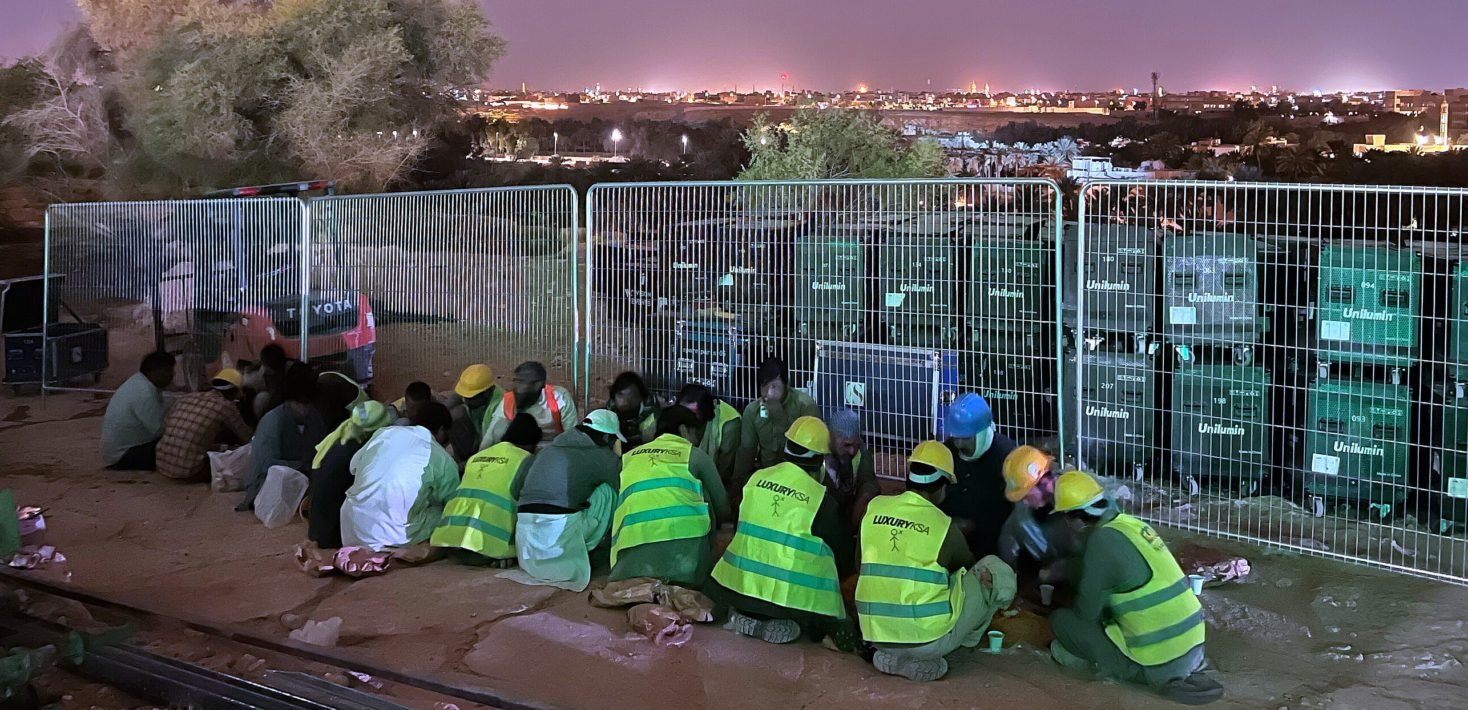
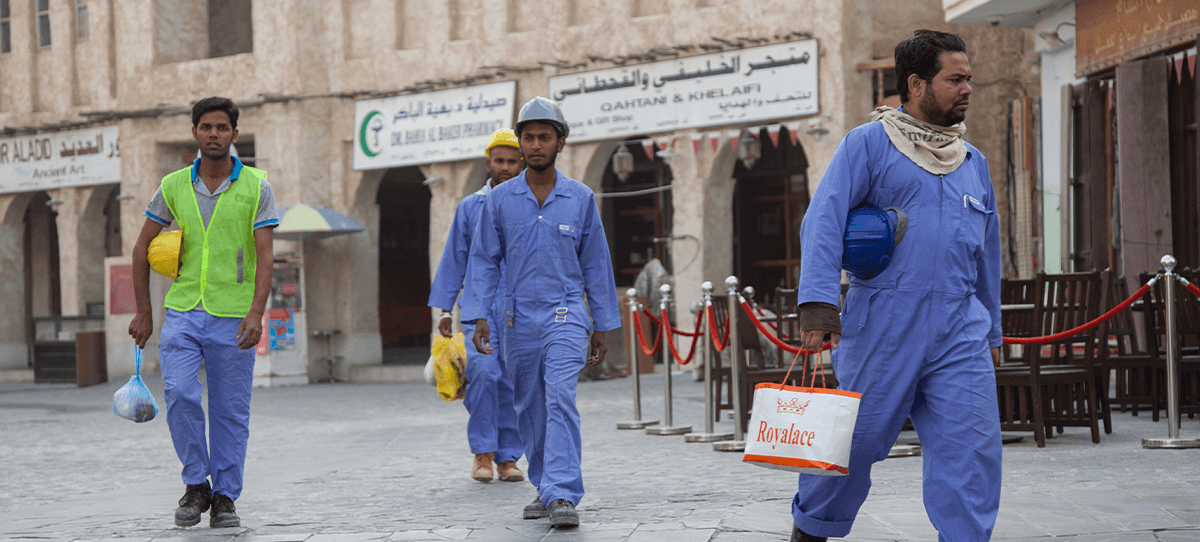
The system was widely denounced by international organisations and human rights groups as facilitating power imbalances and exploitation akin to forced labour, particularly for the estimated thirteen million migrant workers, many from South and Southeast Asia, who make up a significant share of the Saudi workforce.
Saudi authorities have framed the reform as a historic step forward, replacing kafala with a contractual employment framework intended to grant migrants greater freedom of movement, the right to change employers without approval, and access to labour courts and legal mechanisms unavailable under the old regime — a signal of progress under Crown Prince Mohammed bin Salman’s Vision 2030 agenda to modernise the economy and enhance worker protections.
Nevertheless, recent analysis and commentary suggest that, although the formal legal scaffolding of kafala has been dismantled, the underlying conditions that gave rise to exploitation persist in some sectors, raising questions about effective implementation, enforcement, and the lived experience of migrant labourers.
Advocates caution that entrenched workplace practices, recruitment-related abuses and weak enforcement mechanisms could blunt the impact of legal reforms unless matched by robust governance and oversight.
Saudi Arabia’s efforts to overhaul its labour laws are unfolding in a broader context of international attention on migrant rights, including concerns tied to major infrastructure and development projects, where labour conditions remain under scrutiny.
The ongoing debate underscores the complexities faced by a country seeking to balance ambitious economic transformation with entrenched labour dynamics and global expectations on human rights standards.
Earlier this year, Riyadh formally abolished the decades-old kafala sponsorship system — a policy that for more than fifty years gave employers extensive control over foreign workers’ legal status, restricting their ability to change jobs, leave the country, or secure legal protection without sponsor consent.
The system was widely denounced by international organisations and human rights groups as facilitating power imbalances and exploitation akin to forced labour, particularly for the estimated thirteen million migrant workers, many from South and Southeast Asia, who make up a significant share of the Saudi workforce.
Saudi authorities have framed the reform as a historic step forward, replacing kafala with a contractual employment framework intended to grant migrants greater freedom of movement, the right to change employers without approval, and access to labour courts and legal mechanisms unavailable under the old regime — a signal of progress under Crown Prince Mohammed bin Salman’s Vision 2030 agenda to modernise the economy and enhance worker protections.
Nevertheless, recent analysis and commentary suggest that, although the formal legal scaffolding of kafala has been dismantled, the underlying conditions that gave rise to exploitation persist in some sectors, raising questions about effective implementation, enforcement, and the lived experience of migrant labourers.
Advocates caution that entrenched workplace practices, recruitment-related abuses and weak enforcement mechanisms could blunt the impact of legal reforms unless matched by robust governance and oversight.
Saudi Arabia’s efforts to overhaul its labour laws are unfolding in a broader context of international attention on migrant rights, including concerns tied to major infrastructure and development projects, where labour conditions remain under scrutiny.
The ongoing debate underscores the complexities faced by a country seeking to balance ambitious economic transformation with entrenched labour dynamics and global expectations on human rights standards.