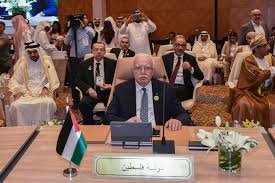
Saudi Arabia Pushes to Shape Palestinian Authority Reforms in Post-War Diplomatic Effort
Riyadh seeks an active role in restructuring Palestinian governance as part of broader regional diplomacy following the Gaza conflict
Saudi Arabia is pressing to play a central role in reforming the Palestinian Authority as part of evolving regional diplomacy aimed at stabilising the aftermath of the Gaza war and advancing longer-term political arrangements.
Saudi officials have signalled that meaningful institutional, security and governance reforms within the Palestinian Authority are essential to restoring its credibility and effectiveness, and that Riyadh is prepared to contribute political backing and resources to that process.
The Saudi position reflects growing consensus among regional and international actors that the Palestinian Authority, which exercises limited self-rule in parts of the West Bank, would require substantial restructuring to assume a broader governing role in the future.
Saudi Arabia has emphasised the need for transparent leadership, accountable institutions and professional security forces capable of maintaining order and preventing militant activity.
These conditions are widely viewed as prerequisites for any viable political framework involving Gaza and the West Bank.
Riyadh’s interest in Palestinian Authority reform is closely tied to its wider diplomatic engagement with the United States and other partners on regional security and political normalisation.
Saudi officials have indicated that progress on Palestinian governance and a credible political horizon for Palestinians are key elements in broader regional discussions, even as Israel continues to prioritise security guarantees and the dismantling of terrorist networks.
Israel has consistently maintained that any future Palestinian governing body must demonstrate the capacity and will to prevent violence and uphold security cooperation.
Saudi involvement in promoting reforms is seen by some diplomats as potentially lending additional Arab legitimacy and financial support to a restructured Palestinian Authority, while also reinforcing regional alignment against extremist groups that threaten stability.
The discussions underscore Saudi Arabia’s expanding diplomatic role in Middle Eastern affairs and its effort to position itself as a central broker in post-conflict planning.
As negotiations continue, the scope and nature of Saudi participation in Palestinian Authority reforms remain under discussion, but the initiative reflects a broader push by regional powers to shape the political landscape following months of conflict and uncertainty.
Saudi officials have signalled that meaningful institutional, security and governance reforms within the Palestinian Authority are essential to restoring its credibility and effectiveness, and that Riyadh is prepared to contribute political backing and resources to that process.
The Saudi position reflects growing consensus among regional and international actors that the Palestinian Authority, which exercises limited self-rule in parts of the West Bank, would require substantial restructuring to assume a broader governing role in the future.
Saudi Arabia has emphasised the need for transparent leadership, accountable institutions and professional security forces capable of maintaining order and preventing militant activity.
These conditions are widely viewed as prerequisites for any viable political framework involving Gaza and the West Bank.
Riyadh’s interest in Palestinian Authority reform is closely tied to its wider diplomatic engagement with the United States and other partners on regional security and political normalisation.
Saudi officials have indicated that progress on Palestinian governance and a credible political horizon for Palestinians are key elements in broader regional discussions, even as Israel continues to prioritise security guarantees and the dismantling of terrorist networks.
Israel has consistently maintained that any future Palestinian governing body must demonstrate the capacity and will to prevent violence and uphold security cooperation.
Saudi involvement in promoting reforms is seen by some diplomats as potentially lending additional Arab legitimacy and financial support to a restructured Palestinian Authority, while also reinforcing regional alignment against extremist groups that threaten stability.
The discussions underscore Saudi Arabia’s expanding diplomatic role in Middle Eastern affairs and its effort to position itself as a central broker in post-conflict planning.
As negotiations continue, the scope and nature of Saudi participation in Palestinian Authority reforms remain under discussion, but the initiative reflects a broader push by regional powers to shape the political landscape following months of conflict and uncertainty.