Saudi Arabia Leads Gulf Diplomacy to Curb US Strike Plans on Iran Amid Regional Volatility
Riyadh and Gulf partners press Washington privately to avoid broad military action against Tehran, citing risks to stability and oil markets
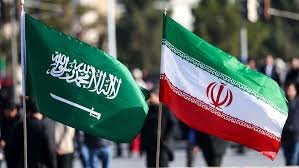
Senior Gulf governments, led by Saudi Arabia, have been engaging in intense diplomatic efforts to dissuade the United States from launching wide-ranging military strikes against Iran, amid mounting tensions stemming from a harsh crackdown on protesters inside the Islamic Republic and fears of broader conflict.
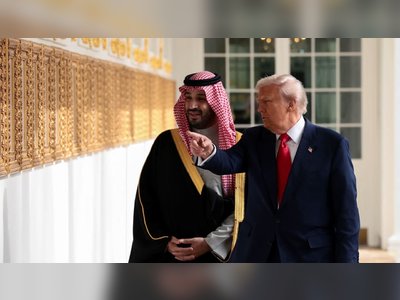
Riyadh and fellow Gulf states have communicated directly with US officials, including the Trump administration, urging restraint and advocating that any action be narrowly defined to avoid destabilising the region’s energy markets, disrupting economic links and provoking violent backlash.
This private lobbying reflects deep concern among Gulf leaders that a full-scale US strike could have far-reaching consequences for regional security and trade.
In these discussions, Saudi Arabia emphasised that it would not allow its territory or airspace to be used for attacks on Iran, signalling a firm desire to avoid becoming directly involved in hostilities or escalating confrontation.
The Kingdom has also stressed that collateral fallout from any broad offensive could empower hardline factions within Iran, undermine ongoing diplomatic channels and undermine efforts to keep global oil markets stable.
Other Gulf partners, such as Qatar and Oman, have echoed calls for restraint and flagged the importance of avoiding steps that might unsettle their own economic and security interests.
Together, these states have been crafting a message that prioritises mediation and diplomatic engagement over military escalation, even as they underscore their shared interest in de-escalation and stability across the Middle East.
The US response to these regional overtures has so far been cautious.
Washington continues to weigh options amid Iran’s internal unrest and external posturing, with American forces taking precautionary measures at bases in neighbouring countries.
While the White House has not ruled out action, senior officials have acknowledged the Gulf states’ concerns and the need to carefully calibrate any response.
Saudi Arabia’s efforts to shape US policy reflect both its own strategic interests and the broader calculus of Gulf leaders, who see restraint and sustained diplomacy as essential to preventing a wider conflict that could imperil energy supplies, disrupt global markets and threaten long-term regional security structures.
The diplomatic push underscores the delicate balancing act facing Arab states as they navigate alliances with the United States while safeguarding their own stability and economic priorities.
Riyadh and fellow Gulf states have communicated directly with US officials, including the Trump administration, urging restraint and advocating that any action be narrowly defined to avoid destabilising the region’s energy markets, disrupting economic links and provoking violent backlash.
This private lobbying reflects deep concern among Gulf leaders that a full-scale US strike could have far-reaching consequences for regional security and trade.
In these discussions, Saudi Arabia emphasised that it would not allow its territory or airspace to be used for attacks on Iran, signalling a firm desire to avoid becoming directly involved in hostilities or escalating confrontation.
The Kingdom has also stressed that collateral fallout from any broad offensive could empower hardline factions within Iran, undermine ongoing diplomatic channels and undermine efforts to keep global oil markets stable.
Other Gulf partners, such as Qatar and Oman, have echoed calls for restraint and flagged the importance of avoiding steps that might unsettle their own economic and security interests.
Together, these states have been crafting a message that prioritises mediation and diplomatic engagement over military escalation, even as they underscore their shared interest in de-escalation and stability across the Middle East.
The US response to these regional overtures has so far been cautious.
Washington continues to weigh options amid Iran’s internal unrest and external posturing, with American forces taking precautionary measures at bases in neighbouring countries.
While the White House has not ruled out action, senior officials have acknowledged the Gulf states’ concerns and the need to carefully calibrate any response.
Saudi Arabia’s efforts to shape US policy reflect both its own strategic interests and the broader calculus of Gulf leaders, who see restraint and sustained diplomacy as essential to preventing a wider conflict that could imperil energy supplies, disrupt global markets and threaten long-term regional security structures.
The diplomatic push underscores the delicate balancing act facing Arab states as they navigate alliances with the United States while safeguarding their own stability and economic priorities.