Saudi Arabia Enacts Landmark Law Allowing Foreigners to Own Property Across the Kingdom
New real estate ownership system opens Riyadh, Jeddah and other zones to non-Saudi individuals and companies while protecting holy cities’ status
Saudi Arabia has officially implemented a sweeping new real estate ownership law that permits foreign individuals, companies and entities to acquire property nationwide under a structured regulatory framework that came into force on January 22, 2026. The Real Estate General Authority announced that the Regulation on Real Estate Ownership by Non-Saudi Nationals is now fully in effect and applications can be submitted via the government’s unified digital platform “Saudi Properties,” marking a major expansion of foreign participation in the Kingdom’s property market.
Under the new system, foreign residents with valid permits can apply directly online, while non-residents begin the process through Saudi diplomatic missions abroad before completing procedures electronically, and foreign companies must first register with the Ministry of Investment before applying.
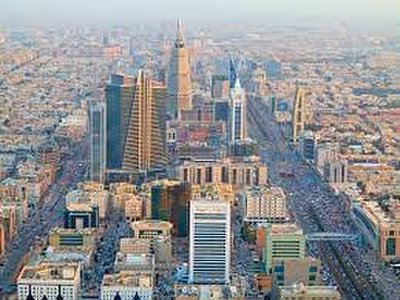
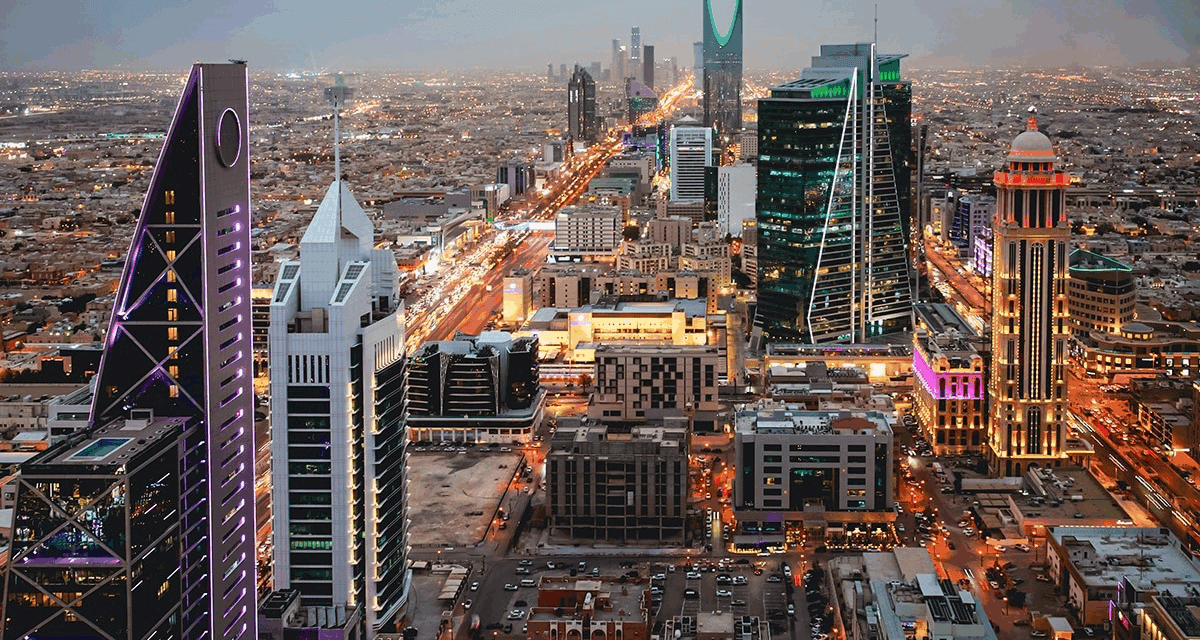
The framework allows ownership outside designated geographic zones to be defined by the Council of Ministers, and preliminary indications suggest that major urban centres including Riyadh and Jeddah will be among the approved areas.
However, property ownership in the two holy cities, Makkah and Madinah, remains restricted: only Muslim individuals and certain Saudi companies are permitted ownership there under a special regulatory regime that respects religious and cultural priorities.
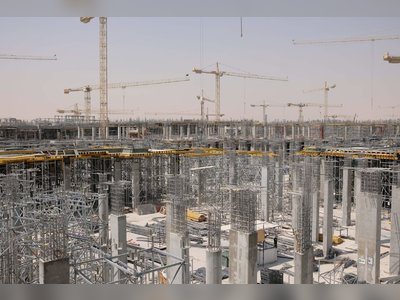
The regulatory overhaul, part of Saudi Vision 2030’s push to diversify the economy and attract foreign investment, is expected to spur growth in residential, commercial, industrial and tourism sectors, enhance project quality and create new jobs for Saudi citizens.
A geographic zones document specifying precise areas and conditions is expected to be published in the first quarter of 2026. The new law replaces a more limited, case-by-case discretionary regime and establishes clearer legal certainty for foreign investors, while introducing controls and safeguards to balance openness with cultural and national interests.
Under the new system, foreign residents with valid permits can apply directly online, while non-residents begin the process through Saudi diplomatic missions abroad before completing procedures electronically, and foreign companies must first register with the Ministry of Investment before applying.
The framework allows ownership outside designated geographic zones to be defined by the Council of Ministers, and preliminary indications suggest that major urban centres including Riyadh and Jeddah will be among the approved areas.
However, property ownership in the two holy cities, Makkah and Madinah, remains restricted: only Muslim individuals and certain Saudi companies are permitted ownership there under a special regulatory regime that respects religious and cultural priorities.
The regulatory overhaul, part of Saudi Vision 2030’s push to diversify the economy and attract foreign investment, is expected to spur growth in residential, commercial, industrial and tourism sectors, enhance project quality and create new jobs for Saudi citizens.
A geographic zones document specifying precise areas and conditions is expected to be published in the first quarter of 2026. The new law replaces a more limited, case-by-case discretionary regime and establishes clearer legal certainty for foreign investors, while introducing controls and safeguards to balance openness with cultural and national interests.