At WEF26 Saudi Arabia Positions Itself as a ‘Connector Economy’ Amid Evolving Global Trade Patterns
Riyadh leverages geographic advantage, logistics and policy predictability to link markets across Africa, Europe and Asia, forum delegates hear
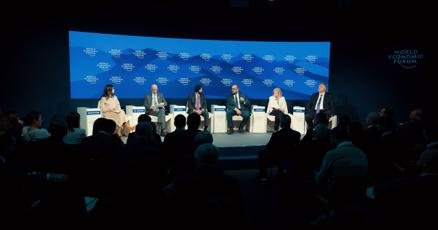
At the World Economic Forum Annual Meeting 2026 in Davos, Saudi Arabia’s leadership outlined a strategic vision to transform the Kingdom into a global “connector economy” as international trade dynamics shift from traditional multilateral frameworks toward more managed, rules-based systems.
Speaking at the session “Many Shapes of Trade,” Saudi Minister of Commerce Majid Al-Kassabi said that Saudi Arabia’s strategic location and abundant resources position it to act as a bridge between Africa, Europe and Asia, with the potential to become a central logistics, transport and trade hub in a rapidly evolving global marketplace.
He noted that the transition of global commerce toward more structured, predictable systems aligns with Saudi ambitions to deepen integration with key regions and strengthen supply chain resilience.
Al-Kassabi’s comments reflected broader themes from the Saudi delegation at WEF26, where officials emphasised stability and policy predictability as competitive advantages in attracting investment and supporting long-term economic planning.
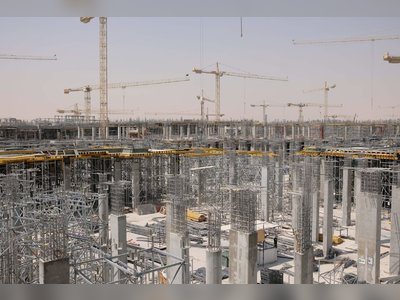
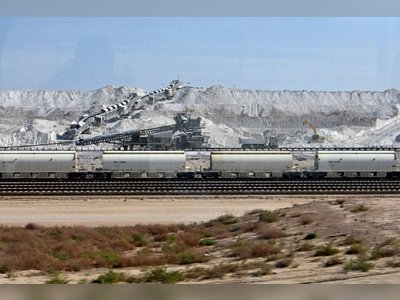
The Kingdom’s infrastructure investments, spanning ports, transport networks and industrial zones under Vision 2030, form part of this drive to enhance connectivity and facilitate international commerce.
Tourism leaders at the forum also highlighted opportunities tied to projected growth in global travel, while the finance and technology ministers underscored efforts to foster a stable business environment and advance capabilities in artificial intelligence and digital innovation.
Ministers emphasised that these initiatives, alongside expanding trade links and dialogue with global partners, underpin Saudi Arabia’s aspiration to serve as a node connecting markets and enabling economic exchange across multiple continents, even as geopolitical and economic fragmentation reshapes the global trade landscape.
Speaking at the session “Many Shapes of Trade,” Saudi Minister of Commerce Majid Al-Kassabi said that Saudi Arabia’s strategic location and abundant resources position it to act as a bridge between Africa, Europe and Asia, with the potential to become a central logistics, transport and trade hub in a rapidly evolving global marketplace.
He noted that the transition of global commerce toward more structured, predictable systems aligns with Saudi ambitions to deepen integration with key regions and strengthen supply chain resilience.
Al-Kassabi’s comments reflected broader themes from the Saudi delegation at WEF26, where officials emphasised stability and policy predictability as competitive advantages in attracting investment and supporting long-term economic planning.
The Kingdom’s infrastructure investments, spanning ports, transport networks and industrial zones under Vision 2030, form part of this drive to enhance connectivity and facilitate international commerce.
Tourism leaders at the forum also highlighted opportunities tied to projected growth in global travel, while the finance and technology ministers underscored efforts to foster a stable business environment and advance capabilities in artificial intelligence and digital innovation.
Ministers emphasised that these initiatives, alongside expanding trade links and dialogue with global partners, underpin Saudi Arabia’s aspiration to serve as a node connecting markets and enabling economic exchange across multiple continents, even as geopolitical and economic fragmentation reshapes the global trade landscape.