Mohammed bin Salman Confronts the ‘Iranian Moment’ as Saudi Leadership Faces Regional Test
Saudi Arabia’s crown prince navigates rising tensions with Iran, balancing diplomacy, security and strategic influence amid shifting Middle East dynamics
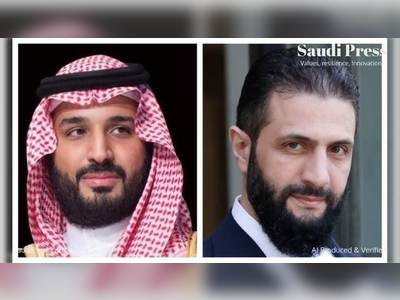
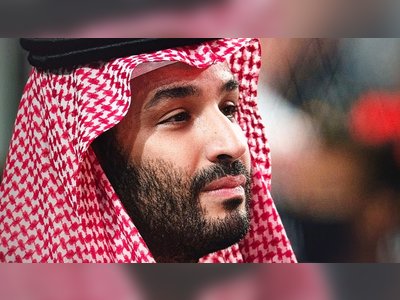
Saudi Crown Prince Mohammed bin Salman is emerging as a central figure in the changing landscape of Middle Eastern power as tensions involving Iran reach a pivotal point, with Riyadh’s diplomatic and strategic choices under close scrutiny.
Supporters of political reform in Iran have expressed admiration for the crown prince’s role in transforming Saudi Arabia and seeking pragmatic engagement, even as long-standing rivalries with Tehran persist.
Recent regional developments show Saudi Arabia actively engaged in de-escalation efforts and high-level dialogue with Iranian officials, reflecting an evolving approach that combines strategic caution with assertive leadership.
The dynamic comes amid broader instability, including internal unrest in Iran that has drawn warnings against external military action from Gulf capitals, including Riyadh, to prevent wider conflict across the region.
Diplomatic engagement between the two regional powers has expanded since the restoration of formal ties in March 2023 under a China-brokered reconciliation agreement, with senior officials from both countries holding discussions on bilateral relations and regional developments over the past months.
Meetings between Prince Mohammed and Iranian counterparts, including foreign ministry and security officials, have focused on exploring avenues for cooperation and reducing tensions, even as issues such as Iran’s role in proxy conflicts and regional security challenges remain salient.
Saudi Arabia’s multifaceted approach under Prince Mohammed combines internal reform, economic diversification and measured external engagement as part of a broader effort to stabilise the Gulf and influence outcomes in an era of shifting geopolitical pressures.
At the same time, regional capitals, including Riyadh, have played a key role in urging restraint amid speculation over possible external intervention in Iran’s internal unrest, warning that military action could produce significant repercussions for regional stability and global economic interests.
Saudi diplomatic efforts alongside other Gulf states have helped dissuade escalatory moves and emphasised the importance of dialogue.
For Prince Mohammed, the current moment with Iran represents both a challenge and an opportunity to assert Saudi Arabia’s leadership in shaping a more secure and cooperative regional order, navigating between deterrence and diplomacy as the Middle East enters a new phase of strategic competition and negotiation.
Supporters of political reform in Iran have expressed admiration for the crown prince’s role in transforming Saudi Arabia and seeking pragmatic engagement, even as long-standing rivalries with Tehran persist.
Recent regional developments show Saudi Arabia actively engaged in de-escalation efforts and high-level dialogue with Iranian officials, reflecting an evolving approach that combines strategic caution with assertive leadership.
The dynamic comes amid broader instability, including internal unrest in Iran that has drawn warnings against external military action from Gulf capitals, including Riyadh, to prevent wider conflict across the region.
Diplomatic engagement between the two regional powers has expanded since the restoration of formal ties in March 2023 under a China-brokered reconciliation agreement, with senior officials from both countries holding discussions on bilateral relations and regional developments over the past months.
Meetings between Prince Mohammed and Iranian counterparts, including foreign ministry and security officials, have focused on exploring avenues for cooperation and reducing tensions, even as issues such as Iran’s role in proxy conflicts and regional security challenges remain salient.
Saudi Arabia’s multifaceted approach under Prince Mohammed combines internal reform, economic diversification and measured external engagement as part of a broader effort to stabilise the Gulf and influence outcomes in an era of shifting geopolitical pressures.
At the same time, regional capitals, including Riyadh, have played a key role in urging restraint amid speculation over possible external intervention in Iran’s internal unrest, warning that military action could produce significant repercussions for regional stability and global economic interests.
Saudi diplomatic efforts alongside other Gulf states have helped dissuade escalatory moves and emphasised the importance of dialogue.
For Prince Mohammed, the current moment with Iran represents both a challenge and an opportunity to assert Saudi Arabia’s leadership in shaping a more secure and cooperative regional order, navigating between deterrence and diplomacy as the Middle East enters a new phase of strategic competition and negotiation.