Saudi Arabia, Qatar and Oman Persuade Trump to Give Iran a Chance Amid Escalating Tensions
Gulf states’ last-minute diplomacy reportedly helped U.S. President Donald Trump step back from military strikes on Iran to avert broader regional conflict
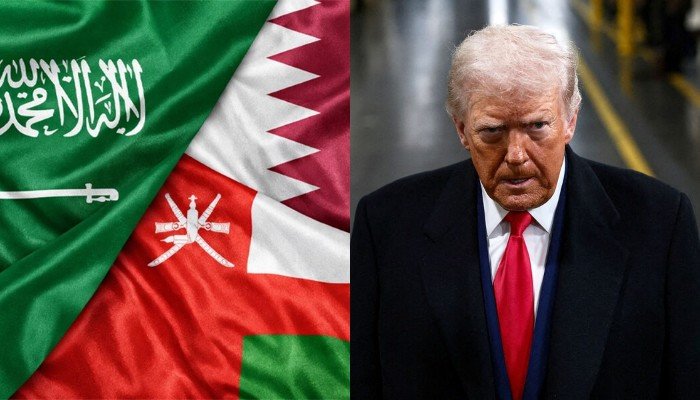
Senior Gulf officials say Saudi Arabia, Qatar and Oman played a decisive role in persuading U.S. President Donald Trump to refrain from immediate military action against Iran following weeks of deadly protests and mounting threats of intervention.
A senior Saudi official told international news agencies that the three countries led a “long, frantic, diplomatic last-minute effort” to convince Mr Trump to give Iran an opportunity to demonstrate good intentions and help prevent an uncontrolled escalation in the region.
The appeal reflected deep concern among Gulf leaders that any U.S. strike could trigger “grave blowbacks” across the Middle East and destabilise allied security arrangements.
The reported intervention came amid heightened tension over Iran’s internal unrest, where protests against the government’s policies have drawn international attention and sparked warnings from Washington that it would consider action if demonstrators were executed.
Mr Trump later said he received assurances from “very important sources on the other side” that executions would not occur, a shift that appeared to defuse immediate prospects of a U.S. strike.
Gulf officials said their dialogue with Washington aimed to consolidate trust and maintain the current spirit of cooperation among regional partners.
Efforts by Riyadh, Doha and Muscat included communicating to Tehran that any attack on U.S. facilities in the Gulf would carry significant consequences for Iran’s relations with countries in the region.
The diplomacy unfolded against a backdrop of concerns about broader instability, including evacuations and lowered alert levels at key U.S. military installations in the Gulf as fears of conflict loomed.
Saudi, Qatari and Omani leaders emphasised the importance of avoiding actions that could escalate into a wider conflict, underscoring their preference for diplomatic engagement over military confrontation.
The ongoing communication between Gulf capitals and Washington reflects a concerted effort to manage tensions and preserve regional stability while addressing the complex dynamics surrounding Iran’s internal challenges and external relations.
A senior Saudi official told international news agencies that the three countries led a “long, frantic, diplomatic last-minute effort” to convince Mr Trump to give Iran an opportunity to demonstrate good intentions and help prevent an uncontrolled escalation in the region.
The appeal reflected deep concern among Gulf leaders that any U.S. strike could trigger “grave blowbacks” across the Middle East and destabilise allied security arrangements.
The reported intervention came amid heightened tension over Iran’s internal unrest, where protests against the government’s policies have drawn international attention and sparked warnings from Washington that it would consider action if demonstrators were executed.
Mr Trump later said he received assurances from “very important sources on the other side” that executions would not occur, a shift that appeared to defuse immediate prospects of a U.S. strike.
Gulf officials said their dialogue with Washington aimed to consolidate trust and maintain the current spirit of cooperation among regional partners.
Efforts by Riyadh, Doha and Muscat included communicating to Tehran that any attack on U.S. facilities in the Gulf would carry significant consequences for Iran’s relations with countries in the region.
The diplomacy unfolded against a backdrop of concerns about broader instability, including evacuations and lowered alert levels at key U.S. military installations in the Gulf as fears of conflict loomed.
Saudi, Qatari and Omani leaders emphasised the importance of avoiding actions that could escalate into a wider conflict, underscoring their preference for diplomatic engagement over military confrontation.
The ongoing communication between Gulf capitals and Washington reflects a concerted effort to manage tensions and preserve regional stability while addressing the complex dynamics surrounding Iran’s internal challenges and external relations.