Saudi Arabia Balances U.S. and China in Strategic Push to Lead Critical Minerals Market
Riyadh positions itself as a neutral hub in the intensifying global competition for essential minerals, keeping engagement open to both American and Chinese partners
Saudi Arabia is actively pursuing a central role in the global critical minerals sector, maintaining strategic engagement with both the United States and China as competition for rare earths, lithium and other essential resources intensifies.
Saudi officials have signalled that the Kingdom’s abundant mineral reserves and growing processing ambitions will be accessible to investors and partners from Washington to Beijing as Riyadh seeks to diversify its economy under Vision 2030 and secure a pivotal role in supply chains for clean energy, defence and advanced technologies.
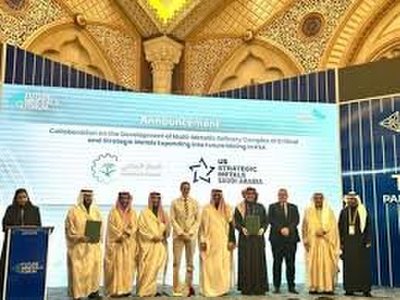
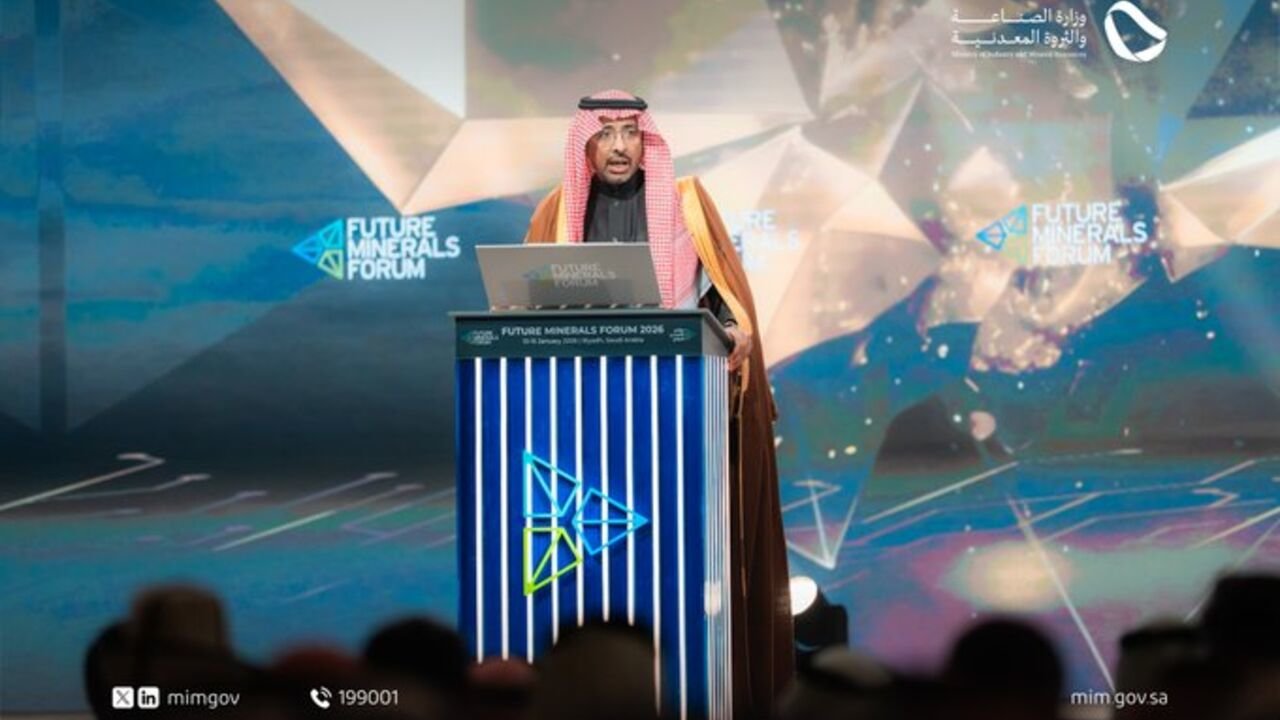
At the Future Minerals Forum in Riyadh on January 14, Saudi ministers underscored their intent to cultivate cooperation with global actors while steering clear of exclusive alignment with any single power.
The Kingdom’s mineral wealth, now estimated at around $2.5 trillion, has drawn interest from Western capital and Chinese firms alike, reflecting its potential to alleviate dependence on China’s dominant position in critical mineral processing and export.
Saudi officials have engaged in discussions with U.S. counterparts on a framework for critical minerals cooperation that would integrate Riyadh into Western supply chains and help diversify sources of rare earths and transition metals crucial for electric vehicles, renewable energy and defence applications.
This engagement builds on earlier agreements signed in 2025, which aim to link Saudi geological resources with U.S. technological and investment capabilities to reduce reliance on a single global supplier.
Nevertheless, Riyadh has simultaneously strengthened ties with China’s mining sector, welcoming Chinese investment and collaboration in industrial and mining projects that complement its broader economic diversification strategy.
The Kingdom’s established relationship with Beijing, supported by substantial bilateral trade and ongoing industrial cooperation, ensures that China remains a significant partner in its mineral ambitions.
Analysts describe Saudi Arabia’s approach as one of geopolitical hedging, positioning itself as a neutral node in the global race for critical minerals while protecting its strategic autonomy.
This balance allows Riyadh to attract capital and expertise from both Washington and Beijing even as global powers vie for influence in the rapidly evolving market for indispensable resources that underpin next-generation technologies and energy transitions.
Saudi Arabia’s evolution into a critical minerals hub underscores the shifting geopolitics of supply chains and offers both economic opportunity and diplomatic leverage as nations seek secure and diversified access to essential materials.
Saudi officials have signalled that the Kingdom’s abundant mineral reserves and growing processing ambitions will be accessible to investors and partners from Washington to Beijing as Riyadh seeks to diversify its economy under Vision 2030 and secure a pivotal role in supply chains for clean energy, defence and advanced technologies.
At the Future Minerals Forum in Riyadh on January 14, Saudi ministers underscored their intent to cultivate cooperation with global actors while steering clear of exclusive alignment with any single power.
The Kingdom’s mineral wealth, now estimated at around $2.5 trillion, has drawn interest from Western capital and Chinese firms alike, reflecting its potential to alleviate dependence on China’s dominant position in critical mineral processing and export.
Saudi officials have engaged in discussions with U.S. counterparts on a framework for critical minerals cooperation that would integrate Riyadh into Western supply chains and help diversify sources of rare earths and transition metals crucial for electric vehicles, renewable energy and defence applications.
This engagement builds on earlier agreements signed in 2025, which aim to link Saudi geological resources with U.S. technological and investment capabilities to reduce reliance on a single global supplier.
Nevertheless, Riyadh has simultaneously strengthened ties with China’s mining sector, welcoming Chinese investment and collaboration in industrial and mining projects that complement its broader economic diversification strategy.
The Kingdom’s established relationship with Beijing, supported by substantial bilateral trade and ongoing industrial cooperation, ensures that China remains a significant partner in its mineral ambitions.
Analysts describe Saudi Arabia’s approach as one of geopolitical hedging, positioning itself as a neutral node in the global race for critical minerals while protecting its strategic autonomy.
This balance allows Riyadh to attract capital and expertise from both Washington and Beijing even as global powers vie for influence in the rapidly evolving market for indispensable resources that underpin next-generation technologies and energy transitions.
Saudi Arabia’s evolution into a critical minerals hub underscores the shifting geopolitics of supply chains and offers both economic opportunity and diplomatic leverage as nations seek secure and diversified access to essential materials.