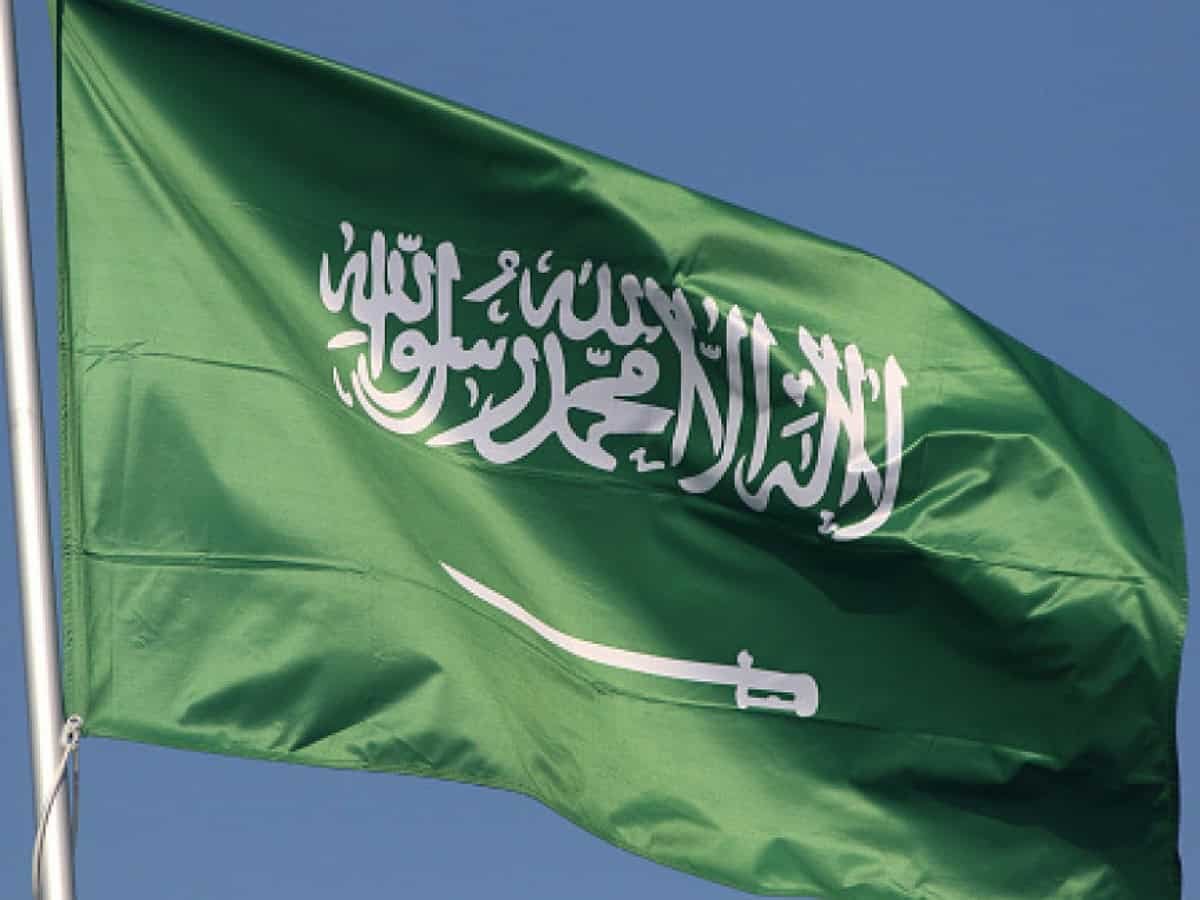
Saudi Arabia Emerges as Key Diplomatic Broker in US Talks on Gaza and Iran Tensions
Riyadh’s mediation helps defuse potential military escalation with Tehran and positions the Kingdom at the heart of Middle East peacemaking efforts linked to Washington’s agenda
Saudi Arabia has increasingly positioned itself as a central diplomat in discussions shaping United States strategy on both Gaza and tensions with Iran, emerging as a pivotal intermediary between Washington and regional capitals.
In recent days, Saudi officials and allied Gulf governments engaged directly with U.S. policymakers, including those close to President Donald Trump’s administration, to urge restraint on potential military action against Iran, asserting that conflict would destabilise the wider Middle East and jeopardise security and economic interests.
Riyadh’s lobbying, conducted alongside Qatar and Oman, reportedly influenced Trump’s decision to defer any immediate strikes against Tehran, with Saudi Arabia even restricting U.S. use of its airspace in planning contingency operations, highlighting its leverage in U.S. strategic calculations.
The Kingdom’s enhanced diplomatic profile extends to efforts to shape the trajectory of Gaza peace initiatives that involve Washington, building on broader Arab consultations that seek an alternative or complementary framework to U.S. proposals for the territory’s future.
Saudi engagement reflects its ambition to guide outcomes that address both Palestinian aspirations and broader regional security, consolidating influence among Arab states and reinforcing its role as an interlocutor for Washington with key capitals.
Analysts note that Riyadh’s evolving position is underpinned by its mediation in a range of geopolitical challenges, including managing complex ties with Iran following a historic rapprochement, while maintaining robust defence and economic cooperation with the United States.
By encouraging de-escalation with Tehran and advocating diplomatic avenues in Gaza, Saudi Arabia has underscored its capacity to broker dialogue among adversaries at critical junctures.
The Kingdom’s diplomatic activity has not only helped temper immediate confrontation risks but also affirmed its strategic relevance to U.S. foreign policy agendas in the Middle East, even as Washington balances competing imperatives in a volatile region.
In recent days, Saudi officials and allied Gulf governments engaged directly with U.S. policymakers, including those close to President Donald Trump’s administration, to urge restraint on potential military action against Iran, asserting that conflict would destabilise the wider Middle East and jeopardise security and economic interests.
Riyadh’s lobbying, conducted alongside Qatar and Oman, reportedly influenced Trump’s decision to defer any immediate strikes against Tehran, with Saudi Arabia even restricting U.S. use of its airspace in planning contingency operations, highlighting its leverage in U.S. strategic calculations.
The Kingdom’s enhanced diplomatic profile extends to efforts to shape the trajectory of Gaza peace initiatives that involve Washington, building on broader Arab consultations that seek an alternative or complementary framework to U.S. proposals for the territory’s future.
Saudi engagement reflects its ambition to guide outcomes that address both Palestinian aspirations and broader regional security, consolidating influence among Arab states and reinforcing its role as an interlocutor for Washington with key capitals.
Analysts note that Riyadh’s evolving position is underpinned by its mediation in a range of geopolitical challenges, including managing complex ties with Iran following a historic rapprochement, while maintaining robust defence and economic cooperation with the United States.
By encouraging de-escalation with Tehran and advocating diplomatic avenues in Gaza, Saudi Arabia has underscored its capacity to broker dialogue among adversaries at critical junctures.
The Kingdom’s diplomatic activity has not only helped temper immediate confrontation risks but also affirmed its strategic relevance to U.S. foreign policy agendas in the Middle East, even as Washington balances competing imperatives in a volatile region.