
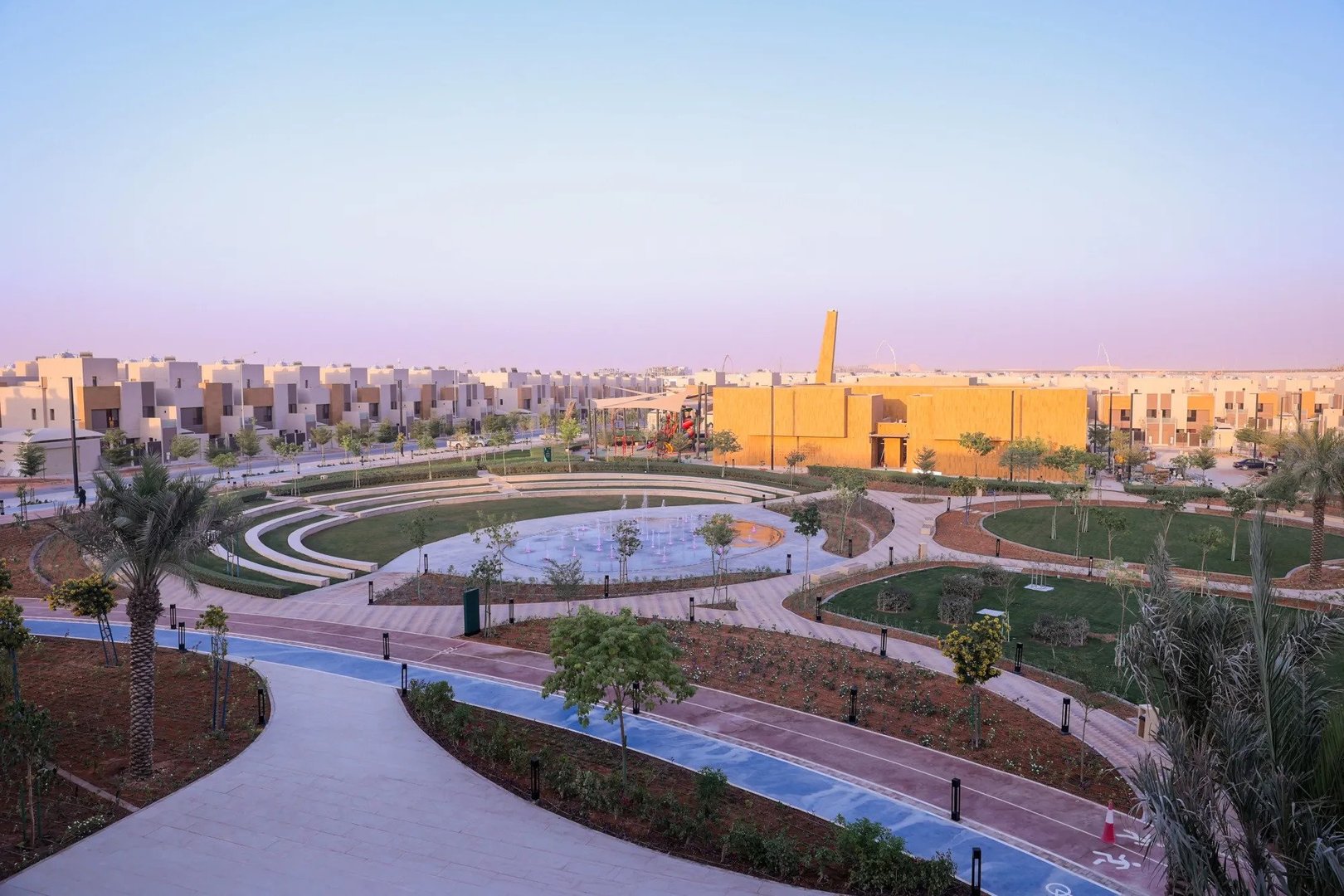
Dubai and Saudi Arabia Real Estate Markets Compete for Global Investors as Gulf Demand Surges
New Saudisation reforms and Dubai’s established appeal are drawing capital into competing yet complementary property markets
Investor attention across the Gulf’s property markets is increasingly focused on both Dubai and Saudi Arabia as each destination offers distinct opportunities against a backdrop of strong regional demand and regulatory reform.
Dubai’s real estate market continues to record robust activity and global investor interest, particularly in luxury residential and off-plan segments, where high-net-worth buyers from Saudi Arabia and beyond have driven strong sales and record transactions.
The city’s transparent legal framework, tax-friendly environment and infrastructure advantage make it an attractive choice for both short-term rental yields and long-term capital growth, with districts such as Business Bay, Downtown and Jumeirah Village Circle among the most popular for regional investors.
Market observers note that steady population growth and sustained economic momentum in the United Arab Emirates support Dubai’s continued appeal as a global investment hub.
Simultaneously, Saudi Arabia’s property market is gaining traction as the Kingdom advances reforms under its Vision 2030 agenda, including new laws permitting broader foreign ownership and initiatives to streamline urban planning.
These changes have already begun to attract developers and investors from across the Gulf and internationally, with sales activity and real estate demand rising across major cities such as Riyadh, Jeddah and Dammam.
In particular, Dammam has emerged as a notable growth hotspot, with a surge in transactions driven by affordability relative to other urban centres.
Saudi authorities are actively enhancing the investment climate by clarifying ownership rules and deploying digital planning systems to expedite development approvals, reflecting a broader effort to diversify economic participation and attract foreign capital.
The contrast between the two markets underscores different phases of development: Dubai’s property sector benefits from maturity, global visibility and established regulatory certainty, while Saudi Arabia’s reforms signal an emerging, potentially high-growth market supported by megaprojects and regulatory liberalisation.
Real estate professionals suggest that investors are increasingly weighing these dynamics, with many considering diversified strategies that include both Dubai’s stable income prospects and Saudi Arabia’s long-term growth potential as new assets come online.
As Gulf economies deepen their real estate offerings and open further to international investment, the competition between Dubai and Saudi Arabia is expected to enhance regional market depth and offer a broader array of options for global capital.
Dubai’s real estate market continues to record robust activity and global investor interest, particularly in luxury residential and off-plan segments, where high-net-worth buyers from Saudi Arabia and beyond have driven strong sales and record transactions.
The city’s transparent legal framework, tax-friendly environment and infrastructure advantage make it an attractive choice for both short-term rental yields and long-term capital growth, with districts such as Business Bay, Downtown and Jumeirah Village Circle among the most popular for regional investors.
Market observers note that steady population growth and sustained economic momentum in the United Arab Emirates support Dubai’s continued appeal as a global investment hub.
Simultaneously, Saudi Arabia’s property market is gaining traction as the Kingdom advances reforms under its Vision 2030 agenda, including new laws permitting broader foreign ownership and initiatives to streamline urban planning.
These changes have already begun to attract developers and investors from across the Gulf and internationally, with sales activity and real estate demand rising across major cities such as Riyadh, Jeddah and Dammam.
In particular, Dammam has emerged as a notable growth hotspot, with a surge in transactions driven by affordability relative to other urban centres.
Saudi authorities are actively enhancing the investment climate by clarifying ownership rules and deploying digital planning systems to expedite development approvals, reflecting a broader effort to diversify economic participation and attract foreign capital.
The contrast between the two markets underscores different phases of development: Dubai’s property sector benefits from maturity, global visibility and established regulatory certainty, while Saudi Arabia’s reforms signal an emerging, potentially high-growth market supported by megaprojects and regulatory liberalisation.
Real estate professionals suggest that investors are increasingly weighing these dynamics, with many considering diversified strategies that include both Dubai’s stable income prospects and Saudi Arabia’s long-term growth potential as new assets come online.
As Gulf economies deepen their real estate offerings and open further to international investment, the competition between Dubai and Saudi Arabia is expected to enhance regional market depth and offer a broader array of options for global capital.