Saudi Arabia Accuses UAE of Secretly Evacuating Yemen Separatist Leader Amid Deepening Gulf Rift
Riyadh says Aidarous al-Zubaidi was spirited out of Yemen with Emirati assistance, intensifying tensions between two key Gulf allies over Yemen’s southern conflict
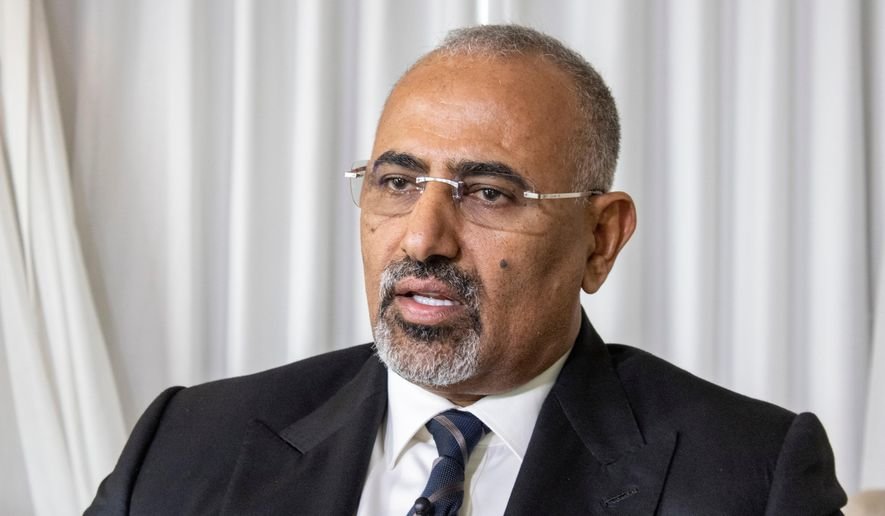
Saudi Arabia has publicly accused the United Arab Emirates of clandestinely removing a Yemeni separatist leader wanted for treason from Yemen and flying him to Abu Dhabi, marking a significant escalation in an already strained relationship between the two Gulf powers.
Riyadh’s military spokesman said Aidarous al-Zubaidi, leader of the UAE-backed Southern Transitional Council (STC), fled from Aden by boat to Somaliland before boarding an aircraft that landed at a military airport in the UAE capital, according to a statement issued by Saudi-led coalition forces.
Saudi Arabia’s allegations come after Zubaidi failed to attend crisis talks in Riyadh about turmoil in southern Yemen, where STC forces recently mounted an offensive that Riyadh regards as a threat to its security.
The UAE has not publicly responded to the accusations.
The accusations highlight deepening fractures in cooperation between Saudi Arabia and the UAE, long partners in the broader Yemeni conflict against Iran-aligned Houthi rebels.
Saudi Arabia expelled Zubaidi from Yemen’s Presidential Leadership Council and accused him of treason after he skipped the meetings meant to address his faction’s recent military advances.
Saudi authorities also stressed that the aircraft used in the operation switched off its identification systems during the route from Somaliland to Abu Dhabi.
Somalia’s immigration agency announced an investigation into the alleged unauthorized use of Mogadishu’s airport and airspace in the separatist leader’s transit, calling any such use a violation of its sovereignty.
The episode underscores growing regional tensions as Saudi Arabia seeks to reassert influence over Yemen’s internationally recognised government, backed by Riyadh, while the UAE has supported the STC’s push for greater autonomy or secession in the south.
The STC’s capture of strategic provinces and its intentions to pursue a referendum on independence have further complicated the conflict’s dynamics, contributing to a diplomatic rupture between Riyadh and Abu Dhabi.
This deterioration has occurred alongside other clashes, including Saudi strikes on weapons shipments it says originated from the UAE and the withdrawal of Emirati personnel from Yemen.
The divergence reflects broader strategic differences in how both Gulf states engage in the Yemeni theatre and handle separatist ambitions within it.
Riyadh’s military spokesman said Aidarous al-Zubaidi, leader of the UAE-backed Southern Transitional Council (STC), fled from Aden by boat to Somaliland before boarding an aircraft that landed at a military airport in the UAE capital, according to a statement issued by Saudi-led coalition forces.
Saudi Arabia’s allegations come after Zubaidi failed to attend crisis talks in Riyadh about turmoil in southern Yemen, where STC forces recently mounted an offensive that Riyadh regards as a threat to its security.
The UAE has not publicly responded to the accusations.
The accusations highlight deepening fractures in cooperation between Saudi Arabia and the UAE, long partners in the broader Yemeni conflict against Iran-aligned Houthi rebels.
Saudi Arabia expelled Zubaidi from Yemen’s Presidential Leadership Council and accused him of treason after he skipped the meetings meant to address his faction’s recent military advances.
Saudi authorities also stressed that the aircraft used in the operation switched off its identification systems during the route from Somaliland to Abu Dhabi.
Somalia’s immigration agency announced an investigation into the alleged unauthorized use of Mogadishu’s airport and airspace in the separatist leader’s transit, calling any such use a violation of its sovereignty.
The episode underscores growing regional tensions as Saudi Arabia seeks to reassert influence over Yemen’s internationally recognised government, backed by Riyadh, while the UAE has supported the STC’s push for greater autonomy or secession in the south.
The STC’s capture of strategic provinces and its intentions to pursue a referendum on independence have further complicated the conflict’s dynamics, contributing to a diplomatic rupture between Riyadh and Abu Dhabi.
This deterioration has occurred alongside other clashes, including Saudi strikes on weapons shipments it says originated from the UAE and the withdrawal of Emirati personnel from Yemen.
The divergence reflects broader strategic differences in how both Gulf states engage in the Yemeni theatre and handle separatist ambitions within it.