
Saudi-Aligned Yemeni Government Expels UAE-Backed Separatist Leader as Conflict Escalates
The removal of the Southern Transitional Council’s chief reflects an intensifying power struggle in Yemen and a widening rift between Riyadh and Abu Dhabi
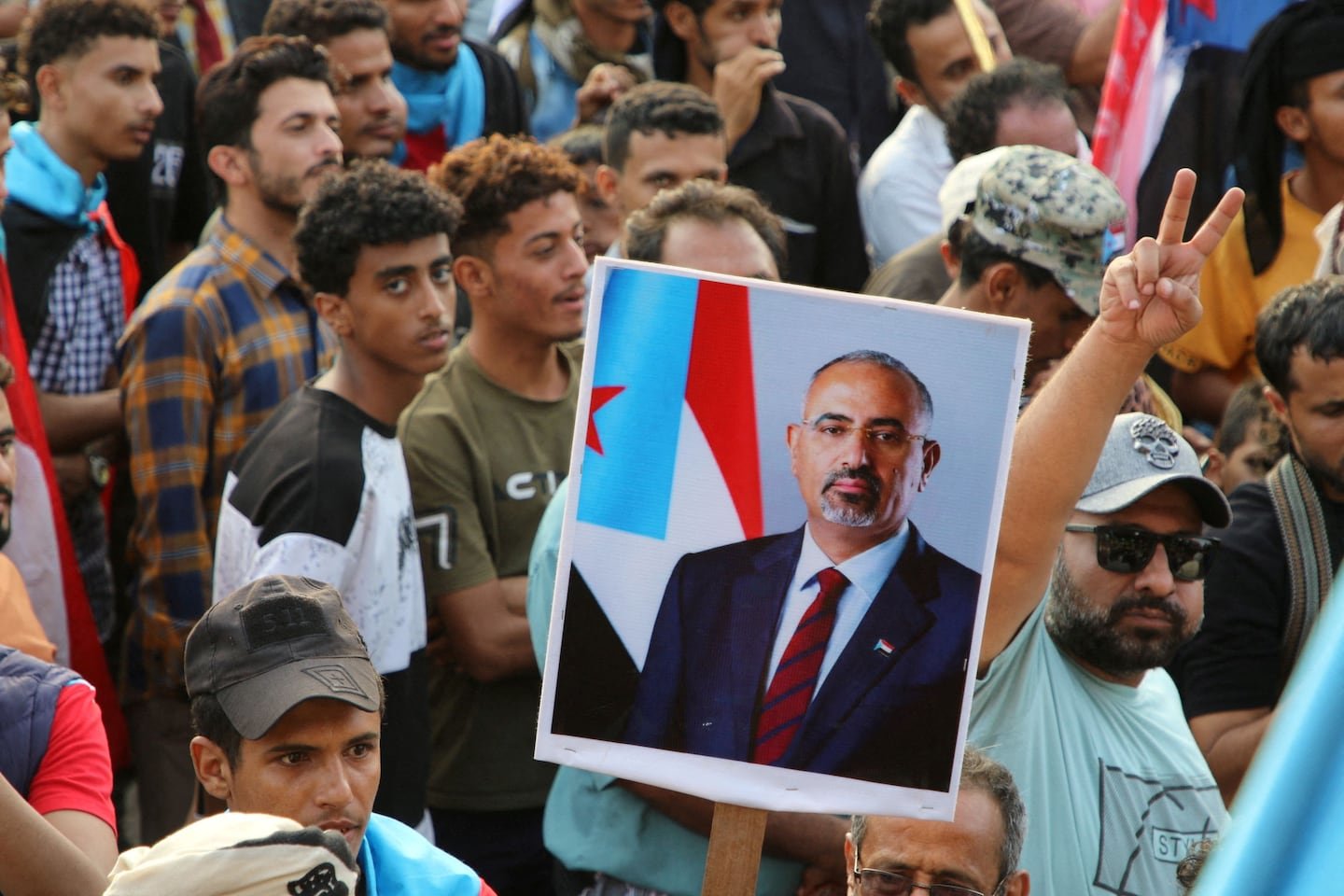
Yemen’s internationally recognised, Saudi-supported government has taken the decisive step of expelling Aidarous al-Zubaidi, the leader of the United Arab Emirates-backed Southern Transitional Council, as fierce internal conflict in the south deepens and fractures long-standing alliances.
The Presidential Leadership Council, aligned with Riyadh, announced Zubaidi’s removal after he failed to attend crucial talks convened in Riyadh to settle mounting tensions between rival factions and within the broader anti-Houthi coalition.
In the wake of his absence and the loss of contact with a large STC delegation that did travel to Saudi Arabia, the council accused Zubaidi of mobilising armed forces in defiance of de-escalation efforts.
This action triggered a series of limited Saudi-led airstrikes on STC positions in southern provinces, including al-Dhalea, as government and allied forces moved to reclaim territory seized in recent weeks by the STC during a rapid offensive that has upended the southern theatre of the war.
Zubaidi, whose Southern Transitional Council has long pursued greater autonomy or outright secession for southern Yemen, remained in Aden overseeing his forces, according to STC statements, even as the Saudi-aligned government labelled his actions a threat to national unity.
The move to oust him marks a sharp departure from previous arrangements under the 2019 Riyadh Agreement, which sought to integrate the STC into Yemen’s political framework while maintaining a united front against the Iran-aligned Houthi movement.
The current standoff has also exposed deep differences between Saudi Arabia and the UAE, once close partners in Yemen; Riyadh has criticised Emirati support for the STC’s recent advances and accused Abu Dhabi of jeopardising regional stability.
Although the STC has reiterated its willingness to engage in dialogue under appropriate conditions, its supporters have vowed resistance should diplomatic efforts collapse, raising the prospect of renewed and intensified fighting in the devastated country.
Amid this turmoil, the broader humanitarian situation continues to deteriorate, complicating international efforts to revive peace talks and contain the conflict’s broader regional implications.
The Presidential Leadership Council, aligned with Riyadh, announced Zubaidi’s removal after he failed to attend crucial talks convened in Riyadh to settle mounting tensions between rival factions and within the broader anti-Houthi coalition.
In the wake of his absence and the loss of contact with a large STC delegation that did travel to Saudi Arabia, the council accused Zubaidi of mobilising armed forces in defiance of de-escalation efforts.
This action triggered a series of limited Saudi-led airstrikes on STC positions in southern provinces, including al-Dhalea, as government and allied forces moved to reclaim territory seized in recent weeks by the STC during a rapid offensive that has upended the southern theatre of the war.
Zubaidi, whose Southern Transitional Council has long pursued greater autonomy or outright secession for southern Yemen, remained in Aden overseeing his forces, according to STC statements, even as the Saudi-aligned government labelled his actions a threat to national unity.
The move to oust him marks a sharp departure from previous arrangements under the 2019 Riyadh Agreement, which sought to integrate the STC into Yemen’s political framework while maintaining a united front against the Iran-aligned Houthi movement.
The current standoff has also exposed deep differences between Saudi Arabia and the UAE, once close partners in Yemen; Riyadh has criticised Emirati support for the STC’s recent advances and accused Abu Dhabi of jeopardising regional stability.
Although the STC has reiterated its willingness to engage in dialogue under appropriate conditions, its supporters have vowed resistance should diplomatic efforts collapse, raising the prospect of renewed and intensified fighting in the devastated country.
Amid this turmoil, the broader humanitarian situation continues to deteriorate, complicating international efforts to revive peace talks and contain the conflict’s broader regional implications.