Iran Warns It Will Strike US Bases in Region if Attacked, Raising Tensions Across Gulf
Tehran issues stern threats to American and allied military facilities as Washington retreats some personnel and regional diplomacy intensifies
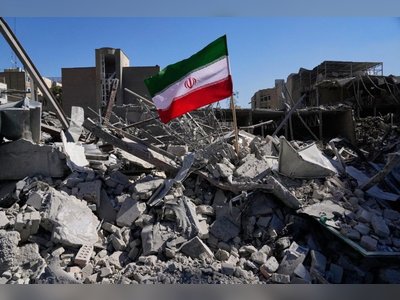
Iran has publicly warned that it will target United States military bases and allied facilities across the Middle East if Washington launches any attack against Tehran, intensifying a volatile stand-off that has put the Gulf region on edge.
The stern declaration, delivered by senior Iranian leaders including Parliament Speaker Mohammad-Baqer Qalibaf, asserts that American and Israeli forces — described as legitimate targets in the event of a U.S. strike — would face retaliation from Iranian forces should conflict erupt.
The warning follows mounting tension over Iran’s harsh domestic crackdown on widespread protests and speculation within U.S. policy circles over potential military intervention.
Iran’s leadership has couched its message as defensive, emphasising that any foreign attack would be met with a proportionate response against bases hosting U.S. troops across neighbouring countries.
In response to escalating rhetoric, the United States has begun withdrawing some personnel from key military installations in the region, including the major Al Udeid air base in Qatar, as a precautionary measure amid fears of direct confrontation.
U.S. officials describe these moves as tactical steps to safeguard service members while continuing to monitor developments closely.
Gulf states and regional actors such as Saudi Arabia, Qatar, Oman, Egypt and Türkiye have been actively engaged in diplomatic efforts to avert military escalation, urging restraint and dialogue between Tehran and Washington.
Turkish officials have explicitly opposed any intervention in Iran, prioritising regional stability and advocating negotiations over conflict.
Despite these efforts at de-escalation, the threat of retaliation against American forces and allied installations remains at the forefront of strategic calculations, reminding governments across the Middle East of the potential for broader conflict should hostilities erupt.
As the situation evolves, attention is focused on diplomatic channels and decisions by the Biden and Trump administrations — which continue to weigh options ranging from sanctions to possible strikes — against the backdrop of widespread unrest within Iran and deepening geopolitical fissures across the region.
The stern declaration, delivered by senior Iranian leaders including Parliament Speaker Mohammad-Baqer Qalibaf, asserts that American and Israeli forces — described as legitimate targets in the event of a U.S. strike — would face retaliation from Iranian forces should conflict erupt.
The warning follows mounting tension over Iran’s harsh domestic crackdown on widespread protests and speculation within U.S. policy circles over potential military intervention.
Iran’s leadership has couched its message as defensive, emphasising that any foreign attack would be met with a proportionate response against bases hosting U.S. troops across neighbouring countries.
In response to escalating rhetoric, the United States has begun withdrawing some personnel from key military installations in the region, including the major Al Udeid air base in Qatar, as a precautionary measure amid fears of direct confrontation.
U.S. officials describe these moves as tactical steps to safeguard service members while continuing to monitor developments closely.
Gulf states and regional actors such as Saudi Arabia, Qatar, Oman, Egypt and Türkiye have been actively engaged in diplomatic efforts to avert military escalation, urging restraint and dialogue between Tehran and Washington.
Turkish officials have explicitly opposed any intervention in Iran, prioritising regional stability and advocating negotiations over conflict.
Despite these efforts at de-escalation, the threat of retaliation against American forces and allied installations remains at the forefront of strategic calculations, reminding governments across the Middle East of the potential for broader conflict should hostilities erupt.
As the situation evolves, attention is focused on diplomatic channels and decisions by the Biden and Trump administrations — which continue to weigh options ranging from sanctions to possible strikes — against the backdrop of widespread unrest within Iran and deepening geopolitical fissures across the region.