Gulf States Intensify Diplomatic Push to Prevent US-Iran Military Escalation
Saudi Arabia, the UAE and regional partners seek de-escalation channels as tensions rise between Washington and Tehran
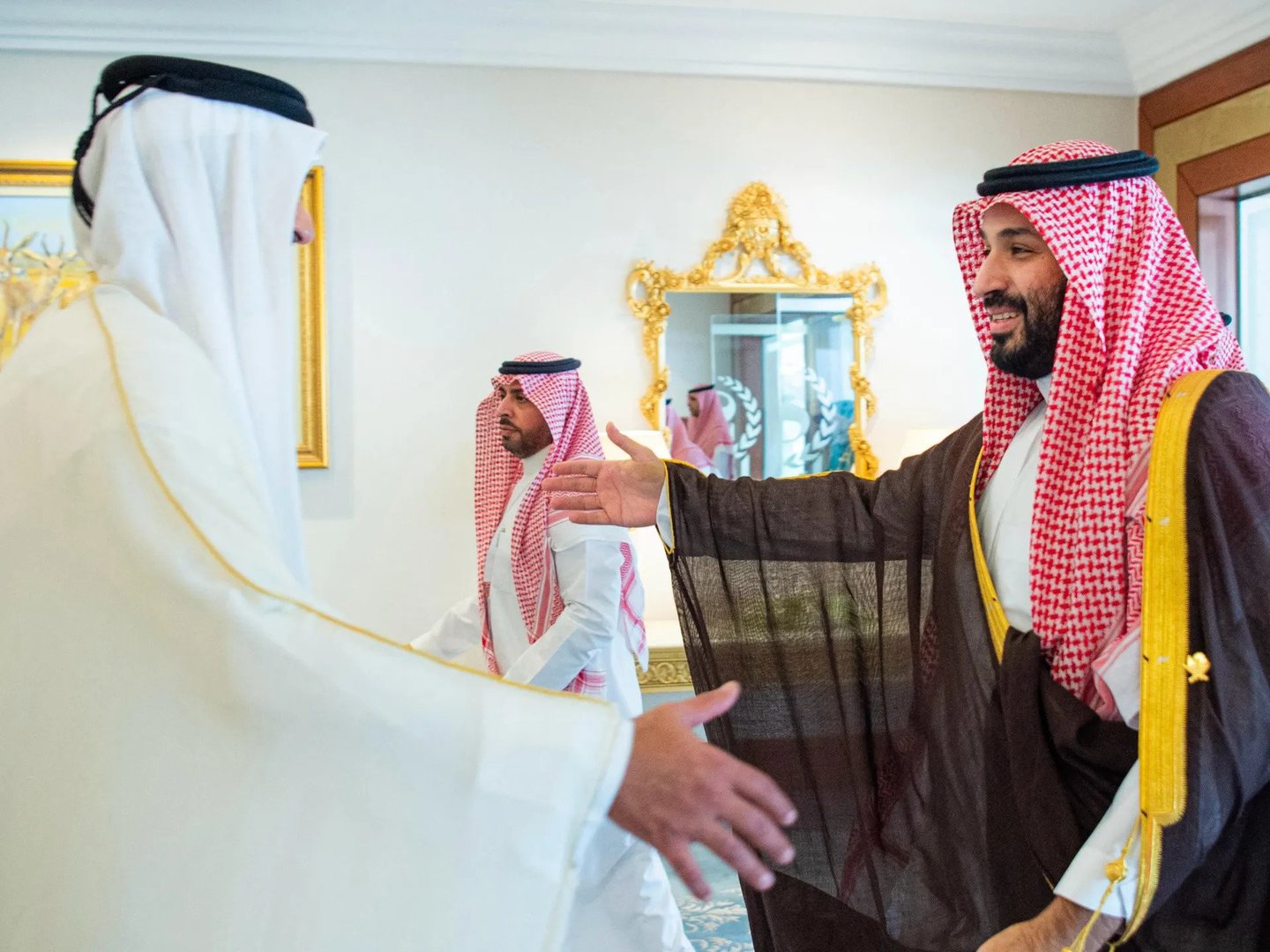
Gulf Arab states are accelerating diplomatic efforts to prevent a dangerous escalation between the United States and Iran, amid heightened regional tensions and fears of a wider conflict that could destabilise energy markets and regional security.
Saudi Arabia, the United Arab Emirates, Qatar and Oman have stepped up quiet engagement with both Washington and Tehran, positioning themselves as intermediaries focused on containment, dialogue and crisis management.
The diplomatic activity follows renewed friction between the US and Iran over regional security incidents, sanctions enforcement and Iran’s nuclear programme, raising concerns in Gulf capitals about the risk of miscalculation or retaliation spilling into neighbouring states.
Saudi Arabia has emphasised the importance of restraint and dialogue, drawing on its recent rapprochement with Iran to encourage communication channels and reduce the likelihood of confrontation.
The UAE has similarly underscored de-escalation, while Oman and Qatar — long-standing mediators in regional disputes — have reportedly intensified back-channel contacts to relay messages and explore confidence-building measures.
Gulf leaders are particularly focused on safeguarding maritime security in the Strait of Hormuz and protecting critical energy infrastructure, given the region’s central role in global oil and gas supply.
The diplomatic push reflects a broader Gulf strategy to insulate the region from great-power rivalry and avoid becoming a theatre for proxy conflict, while maintaining strong security partnerships with the United States.
Officials across the Gulf have signalled that regional stability and economic development depend on preventing further escalation and keeping diplomatic avenues open at a moment of heightened geopolitical risk.
Saudi Arabia, the United Arab Emirates, Qatar and Oman have stepped up quiet engagement with both Washington and Tehran, positioning themselves as intermediaries focused on containment, dialogue and crisis management.
The diplomatic activity follows renewed friction between the US and Iran over regional security incidents, sanctions enforcement and Iran’s nuclear programme, raising concerns in Gulf capitals about the risk of miscalculation or retaliation spilling into neighbouring states.
Saudi Arabia has emphasised the importance of restraint and dialogue, drawing on its recent rapprochement with Iran to encourage communication channels and reduce the likelihood of confrontation.
The UAE has similarly underscored de-escalation, while Oman and Qatar — long-standing mediators in regional disputes — have reportedly intensified back-channel contacts to relay messages and explore confidence-building measures.
Gulf leaders are particularly focused on safeguarding maritime security in the Strait of Hormuz and protecting critical energy infrastructure, given the region’s central role in global oil and gas supply.
The diplomatic push reflects a broader Gulf strategy to insulate the region from great-power rivalry and avoid becoming a theatre for proxy conflict, while maintaining strong security partnerships with the United States.
Officials across the Gulf have signalled that regional stability and economic development depend on preventing further escalation and keeping diplomatic avenues open at a moment of heightened geopolitical risk.