Gulf Diplomacy Persuades Trump to Hold Off Attack on Iran Amid Rising Regional Tensions
Senior Saudi official says Saudi Arabia, Qatar and Oman urged the former US president to ‘give Iran a chance’ to avert escalation after threats of American military action
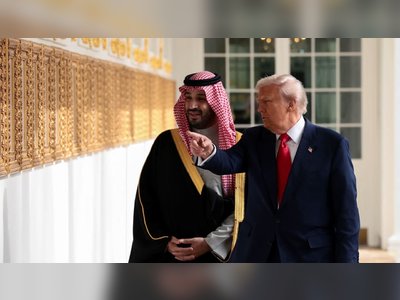
Senior Saudi, Qatari and Omani officials have played a decisive role in convincing former United States President Donald Trump to refrain from ordering a military strike on Iran, senior Gulf sources said in comments published on January 15. A senior Saudi official told Agence France-Presse that the three Gulf monarchies led a “long, frantic, diplomatic last-minute effort” to persuade Mr Trump to give Tehran a chance to exhibit “good intentions” and avoid a broader conflagration across the Middle East.
The official, speaking on condition of anonymity, said Riyadh, Doha and Muscat warned that an attack on Iran could trigger “grave blowbacks in the region” that would imperil stability and security throughout the Gulf and beyond.
The appeals came amid heightened tensions after the United States signalled it could take military action in response to Tehran’s domestic crackdown on widespread protests, a crisis that had drawn international attention and calls for restraint.
Iran issued its own threats of retaliation against US military facilities should any attack materialise, prompting Washington to reposition some personnel at key bases such as Al-Udeid Air Base in Qatar and caution diplomats across the region.
Gulf diplomats urged that de-escalation and dialogue offered a more sustainable path than direct confrontation, conveying that a show of restraint could preserve hard-won diplomatic capital and mitigate spillover risks to neighbours hosting US forces.
Mr Trump subsequently adopted a more measured stance, stating publicly that he had been assured by “very important sources on the other side” that Iran would refrain from executing protesters — a key concern in US policy discussions — and that he would allow further discussions to proceed.
Gulf diplomatic communication is understood to be ongoing as states attempt to consolidate “gained trust and the current good spirit” and to maintain channels for future negotiations.
Although fundamental disagreements between Washington and Tehran remain, the episode highlights the influence of Gulf states in shaping US policy considerations in the region and underscores their commitment to averting a military escalation amid one of the most serious tensions in recent Middle Eastern geopolitics.
The official, speaking on condition of anonymity, said Riyadh, Doha and Muscat warned that an attack on Iran could trigger “grave blowbacks in the region” that would imperil stability and security throughout the Gulf and beyond.
The appeals came amid heightened tensions after the United States signalled it could take military action in response to Tehran’s domestic crackdown on widespread protests, a crisis that had drawn international attention and calls for restraint.
Iran issued its own threats of retaliation against US military facilities should any attack materialise, prompting Washington to reposition some personnel at key bases such as Al-Udeid Air Base in Qatar and caution diplomats across the region.
Gulf diplomats urged that de-escalation and dialogue offered a more sustainable path than direct confrontation, conveying that a show of restraint could preserve hard-won diplomatic capital and mitigate spillover risks to neighbours hosting US forces.
Mr Trump subsequently adopted a more measured stance, stating publicly that he had been assured by “very important sources on the other side” that Iran would refrain from executing protesters — a key concern in US policy discussions — and that he would allow further discussions to proceed.
Gulf diplomatic communication is understood to be ongoing as states attempt to consolidate “gained trust and the current good spirit” and to maintain channels for future negotiations.
Although fundamental disagreements between Washington and Tehran remain, the episode highlights the influence of Gulf states in shaping US policy considerations in the region and underscores their commitment to averting a military escalation amid one of the most serious tensions in recent Middle Eastern geopolitics.