As Iran’s Regional Influence Appears to Wane, Saudi Crown Prince’s Ambitions Face New Scrutiny
With Tehran’s domestic and proxy power under strain, analysts debate whether Mohammed bin Salman can expand Riyadh’s role without destabilising the Middle East
As signs of political and economic strain intensify in Iran, a debate is emerging among policymakers and analysts about the scope and direction of Saudi Arabia’s regional ambitions under Crown Prince Mohammed bin Salman.
Iran’s internal unrest, economic hardship and diminishing sway over allied militias have prompted some observers to suggest a potential power vacuum across the Middle East that Saudi Arabia might seek to fill, while others caution that Riyadh’s strategy still entails significant risks and uncertainties.
Iran’s authority has been tested by nationwide protests driven by serious economic grievances, with inflation, currency devaluation and widespread dissatisfaction with governance fuelling unrest.
Although the clerical establishment remains resilient, its regional reach through the so-called “Axis of Resistance” — including proxies and allied militias — is perceived to be under pressure as groups like Hamas, Hezbollah and other proxies face setbacks or diminished influence.
This has led to questions about Tehran’s ability to sustain its traditional role as a dominant power broker across the region.
Against this backdrop, Saudi Arabia under Mohammed bin Salman has pursued a more assertive and independent foreign policy, seeking to recalibrate relationships with former rivals and extend diplomatic and economic partnerships beyond traditional alignments.
Riyadh’s outreach to regional capitals, efforts to de-escalate tensions with Turkey and initiatives aimed at shaping diplomatic and economic cooperation reflect a strategic recalibration designed to capitalise on perceived weaknesses in Iranian influence.
Some observers see these moves as pragmatic attempts to promote stability and development, not ideological realignment.
However, there is debate about how far Riyadh’s ambitions can extend without generating new instability or overextending its influence.
Critics argue that diverging approaches within the Gulf Cooperation Council, particularly over conflicts such as Yemen, highlight the complexity of Saudi leadership in a fragmented regional landscape.
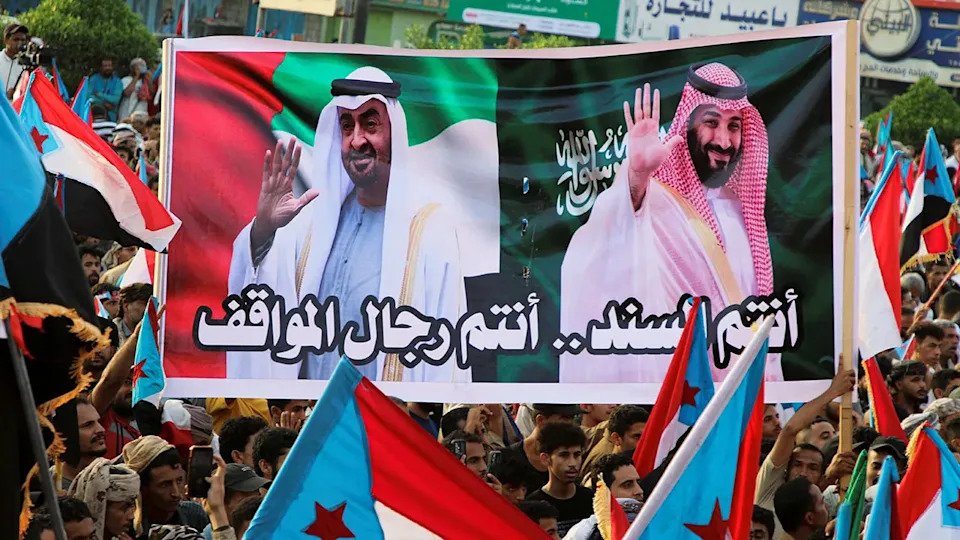
The situation in Yemen, where Saudi and Emirati strategies have diverged sharply, illustrates the potential pitfalls of pursuing regional power projection without clear consensus among partners.
At the same time, proponents of Saudi policy emphasise Riyadh’s pragmatism, asserting that Saudi Arabia’s engagement with a broad array of partners enhances its flexibility and capacity to address security and economic challenges.
By positioning itself as a stabilising force, the kingdom seeks to leverage its resources and diplomatic capital to shape outcomes in key arenas such as energy, security cooperation and economic development.
The trajectory of Saudi ambitions will be shaped by how effectively Riyadh manages internal and external pressures, balances relations with global powers including the United States and China, and responds to ongoing instability across the Middle East.
As Iran’s traditional role is reassessed amid domestic and external challenges, the question of whether Mohammed bin Salman’s vision will deliver enduring influence or invite new risks remains at the centre of regional strategic debate.
Iran’s internal unrest, economic hardship and diminishing sway over allied militias have prompted some observers to suggest a potential power vacuum across the Middle East that Saudi Arabia might seek to fill, while others caution that Riyadh’s strategy still entails significant risks and uncertainties.
Iran’s authority has been tested by nationwide protests driven by serious economic grievances, with inflation, currency devaluation and widespread dissatisfaction with governance fuelling unrest.
Although the clerical establishment remains resilient, its regional reach through the so-called “Axis of Resistance” — including proxies and allied militias — is perceived to be under pressure as groups like Hamas, Hezbollah and other proxies face setbacks or diminished influence.
This has led to questions about Tehran’s ability to sustain its traditional role as a dominant power broker across the region.
Against this backdrop, Saudi Arabia under Mohammed bin Salman has pursued a more assertive and independent foreign policy, seeking to recalibrate relationships with former rivals and extend diplomatic and economic partnerships beyond traditional alignments.
Riyadh’s outreach to regional capitals, efforts to de-escalate tensions with Turkey and initiatives aimed at shaping diplomatic and economic cooperation reflect a strategic recalibration designed to capitalise on perceived weaknesses in Iranian influence.
Some observers see these moves as pragmatic attempts to promote stability and development, not ideological realignment.
However, there is debate about how far Riyadh’s ambitions can extend without generating new instability or overextending its influence.
Critics argue that diverging approaches within the Gulf Cooperation Council, particularly over conflicts such as Yemen, highlight the complexity of Saudi leadership in a fragmented regional landscape.
The situation in Yemen, where Saudi and Emirati strategies have diverged sharply, illustrates the potential pitfalls of pursuing regional power projection without clear consensus among partners.
At the same time, proponents of Saudi policy emphasise Riyadh’s pragmatism, asserting that Saudi Arabia’s engagement with a broad array of partners enhances its flexibility and capacity to address security and economic challenges.
By positioning itself as a stabilising force, the kingdom seeks to leverage its resources and diplomatic capital to shape outcomes in key arenas such as energy, security cooperation and economic development.
The trajectory of Saudi ambitions will be shaped by how effectively Riyadh manages internal and external pressures, balances relations with global powers including the United States and China, and responds to ongoing instability across the Middle East.
As Iran’s traditional role is reassessed amid domestic and external challenges, the question of whether Mohammed bin Salman’s vision will deliver enduring influence or invite new risks remains at the centre of regional strategic debate.