
Washington Weighs Gulf Rivalry as Trump Maintains Strategic Balance Between Riyadh and Abu Dhabi
Intense lobbying highlights competition between Saudi Arabia and the United Arab Emirates, but U.S. leadership signals no departure from a calibrated approach
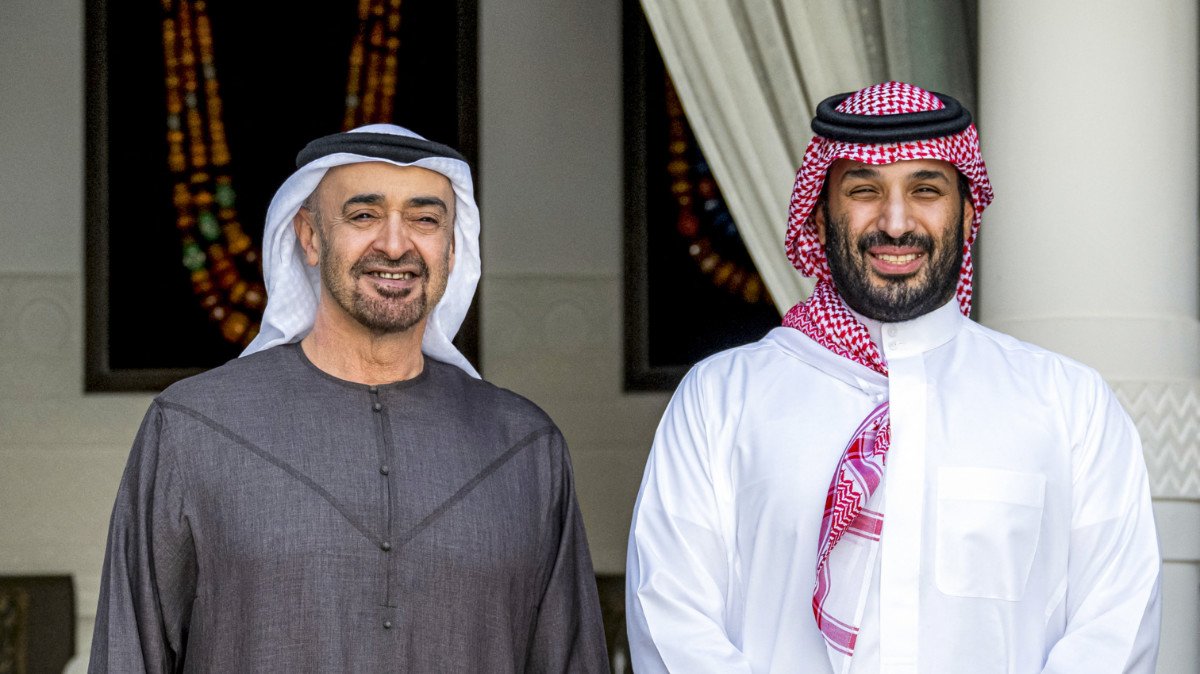
Intensive diplomatic lobbying by Saudi Arabia and the United Arab Emirates has underscored growing competition between the two Gulf allies, prompting questions in Washington about whether President Donald Trump favours one side in an increasingly visible rift.
Senior regional officials and diplomats say both Riyadh and Abu Dhabi have stepped up engagement with the U.S. administration in recent weeks, seeking to shape American policy on energy coordination, regional security and economic influence.
Despite the heightened activity, U.S. officials familiar with the discussions indicate that President Trump has avoided taking sides, instead reinforcing a strategy centred on strong bilateral ties with both partners.
The administration has consistently highlighted Saudi Arabia’s central role in regional stability and energy markets, while also recognising the United Arab Emirates as a key security and investment partner.
The rivalry has become more pronounced as both countries pursue ambitious economic diversification strategies and seek leadership within the Gulf and wider Middle East, occasionally resulting in policy divergence despite shared interests.
Trump’s approach has been characterised by an emphasis on results-driven diplomacy, encouraging cooperation among allies while maintaining U.S. leverage through balanced engagement.
Analysts note that this posture reflects Washington’s broader objective of preserving unity among its regional partners while advancing American strategic and economic interests.
For now, U.S. policy signals suggest that rather than choosing a favourite, the administration intends to manage differences pragmatically, leveraging close relationships with both Saudi Arabia and the UAE to maintain stability and counter shared threats in the region.
Senior regional officials and diplomats say both Riyadh and Abu Dhabi have stepped up engagement with the U.S. administration in recent weeks, seeking to shape American policy on energy coordination, regional security and economic influence.
Despite the heightened activity, U.S. officials familiar with the discussions indicate that President Trump has avoided taking sides, instead reinforcing a strategy centred on strong bilateral ties with both partners.
The administration has consistently highlighted Saudi Arabia’s central role in regional stability and energy markets, while also recognising the United Arab Emirates as a key security and investment partner.
The rivalry has become more pronounced as both countries pursue ambitious economic diversification strategies and seek leadership within the Gulf and wider Middle East, occasionally resulting in policy divergence despite shared interests.
Trump’s approach has been characterised by an emphasis on results-driven diplomacy, encouraging cooperation among allies while maintaining U.S. leverage through balanced engagement.
Analysts note that this posture reflects Washington’s broader objective of preserving unity among its regional partners while advancing American strategic and economic interests.
For now, U.S. policy signals suggest that rather than choosing a favourite, the administration intends to manage differences pragmatically, leveraging close relationships with both Saudi Arabia and the UAE to maintain stability and counter shared threats in the region.