U.S. Approves Nearly $15.7 Billion in Arms Sales to Saudi Arabia and Israel Amid Middle East Tensions
Washington notifies Congress of separate multi-billion-dollar military equipment packages to bolster allied defensive capabilities in a volatile regional security environment
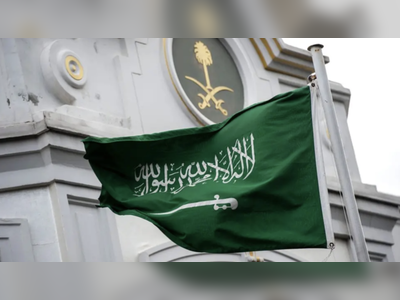
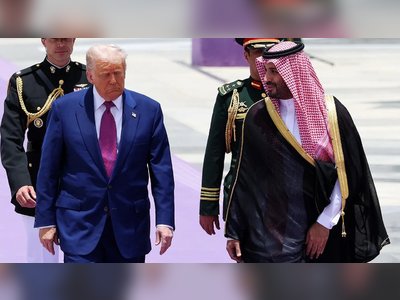
The United States government has authorised proposed arms sales valued at approximately $15.7 billion to Saudi Arabia and Israel, notifying Congress late this week of the potential Foreign Military Sales amid persistently high tensions across the Middle East.
The largest component of the package comprises a $9 billion sale to Saudi Arabia for advanced air defence systems and interceptors designed to enhance its integrated missile and aerial threat response, including Patriot PAC-3 missiles and related equipment.
The parallel approvals for Israel, totalling nearly $6.7 billion, encompass dozens of Apache attack helicopters, thousands of light tactical vehicles, light utility helicopters and power packs for armoured personnel carriers, aimed at strengthening the Israel Defence Forces’ operational readiness and mobility in the face of evolving threats.
The Pentagon and State Department have characterised the proposed sales as aligned with U.S. national security objectives, asserting that they will improve the recipients’ capacity to counter current and future threats and bolster the defence of critical infrastructure and population centres.
Under the Foreign Military Sales process, Congress has a statutory review period — fifteen days for Israel and thirty days for Saudi Arabia — during which lawmakers may examine or object to the deals before contracts can be finalised and obligations executed.
Some legislators have criticised the Trump administration’s handling of the notifications, arguing that long-standing consultative norms with congressional committees were bypassed, though the administration maintains that the notifications fulfil legal requirements.
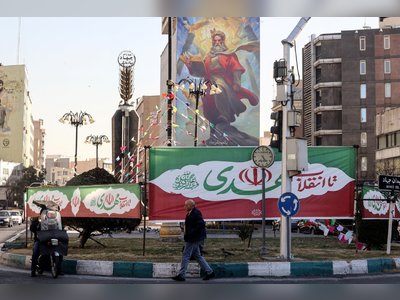
The timing of the approvals reflects Washington’s strategic focus on shoring up regional allies’ capabilities amid concerns about Iranian influence and proxy activity, even as diplomatic efforts continue to stabilise ceasefire arrangements in Gaza and broader Middle East security dynamics.
The largest component of the package comprises a $9 billion sale to Saudi Arabia for advanced air defence systems and interceptors designed to enhance its integrated missile and aerial threat response, including Patriot PAC-3 missiles and related equipment.
The parallel approvals for Israel, totalling nearly $6.7 billion, encompass dozens of Apache attack helicopters, thousands of light tactical vehicles, light utility helicopters and power packs for armoured personnel carriers, aimed at strengthening the Israel Defence Forces’ operational readiness and mobility in the face of evolving threats.
The Pentagon and State Department have characterised the proposed sales as aligned with U.S. national security objectives, asserting that they will improve the recipients’ capacity to counter current and future threats and bolster the defence of critical infrastructure and population centres.
Under the Foreign Military Sales process, Congress has a statutory review period — fifteen days for Israel and thirty days for Saudi Arabia — during which lawmakers may examine or object to the deals before contracts can be finalised and obligations executed.
Some legislators have criticised the Trump administration’s handling of the notifications, arguing that long-standing consultative norms with congressional committees were bypassed, though the administration maintains that the notifications fulfil legal requirements.
The timing of the approvals reflects Washington’s strategic focus on shoring up regional allies’ capabilities amid concerns about Iranian influence and proxy activity, even as diplomatic efforts continue to stabilise ceasefire arrangements in Gaza and broader Middle East security dynamics.