Saudi Arabia Bars U.S. Bases and Airspace for Any Potential Strike on Iran
Riyadh’s firm refusal to permit U.S. use of its territory for military action against Iran adds a diplomatic constraint amid rising regional tensions
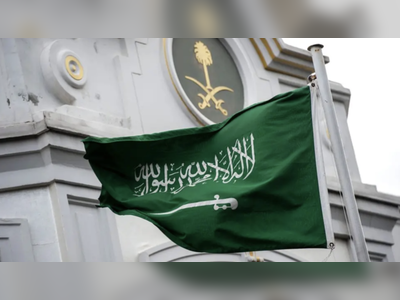
Saudi Arabia has formally informed both the United States and Iran that it will not allow its airspace or territory to be used for any military strike against Tehran, reinforcing its stance against becoming entangled in a direct confrontation between Washington and Tehran.
The declaration, made by Crown Prince and Prime Minister Mohammed bin Salman in a recent phone call with Iranian President Masoud Pezeshkian, underscored Riyadh’s respect for Iran’s sovereignty and its preference for diplomatic approaches to regional disputes as tensions escalate over Iran’s nuclear activities and domestic unrest.
Saudi authorities conveyed that neither Saudi land nor air corridors will be available to U.S. forces should they plan or execute offensive operations against Iranian territory, a message communicated through diplomatic and security channels as part of ongoing high-level engagements.
The position reflects concern in Riyadh and among other Gulf partners about the destabilising effects a broader conflict could have on regional security, energy markets and critical infrastructure, particularly given Iran’s capacity to retaliate against neighbouring states or U.S. assets in the region.
Saudi Arabia’s refusal aligns with similar statements from other Gulf states including the United Arab Emirates, which have also said they would not authorise military action from their soil, further constraining potential operational options for the United States and its allies.
The U.S. has previously signalled its capability to operate from carrier strike groups and bases beyond the Gulf, but the denial of access from key Gulf territory complicates planning and places a premium on alternative logistical arrangements should military action be contemplated.
Riyadh’s public rejection of airspace use for attacks on Iran fits within a broader regional diplomatic posture that balances alliance ties with Washington against a desire to avoid direct involvement in an Israel-Iran confrontation or U.S. military escalation, even as discussions continue among global powers on how to reduce tensions and avert open conflict.
The declaration, made by Crown Prince and Prime Minister Mohammed bin Salman in a recent phone call with Iranian President Masoud Pezeshkian, underscored Riyadh’s respect for Iran’s sovereignty and its preference for diplomatic approaches to regional disputes as tensions escalate over Iran’s nuclear activities and domestic unrest.
Saudi authorities conveyed that neither Saudi land nor air corridors will be available to U.S. forces should they plan or execute offensive operations against Iranian territory, a message communicated through diplomatic and security channels as part of ongoing high-level engagements.
The position reflects concern in Riyadh and among other Gulf partners about the destabilising effects a broader conflict could have on regional security, energy markets and critical infrastructure, particularly given Iran’s capacity to retaliate against neighbouring states or U.S. assets in the region.
Saudi Arabia’s refusal aligns with similar statements from other Gulf states including the United Arab Emirates, which have also said they would not authorise military action from their soil, further constraining potential operational options for the United States and its allies.
The U.S. has previously signalled its capability to operate from carrier strike groups and bases beyond the Gulf, but the denial of access from key Gulf territory complicates planning and places a premium on alternative logistical arrangements should military action be contemplated.
Riyadh’s public rejection of airspace use for attacks on Iran fits within a broader regional diplomatic posture that balances alliance ties with Washington against a desire to avoid direct involvement in an Israel-Iran confrontation or U.S. military escalation, even as discussions continue among global powers on how to reduce tensions and avert open conflict.