TKO Group Doubles Down on Saudi Arabia as Sports Expansion Deepens Global Debate
The UFC and WWE parent company reaffirms Saudi backing as the kingdom becomes central to its live events strategy, raising questions over sportswashing, revenue dependence, and global expansion risks.
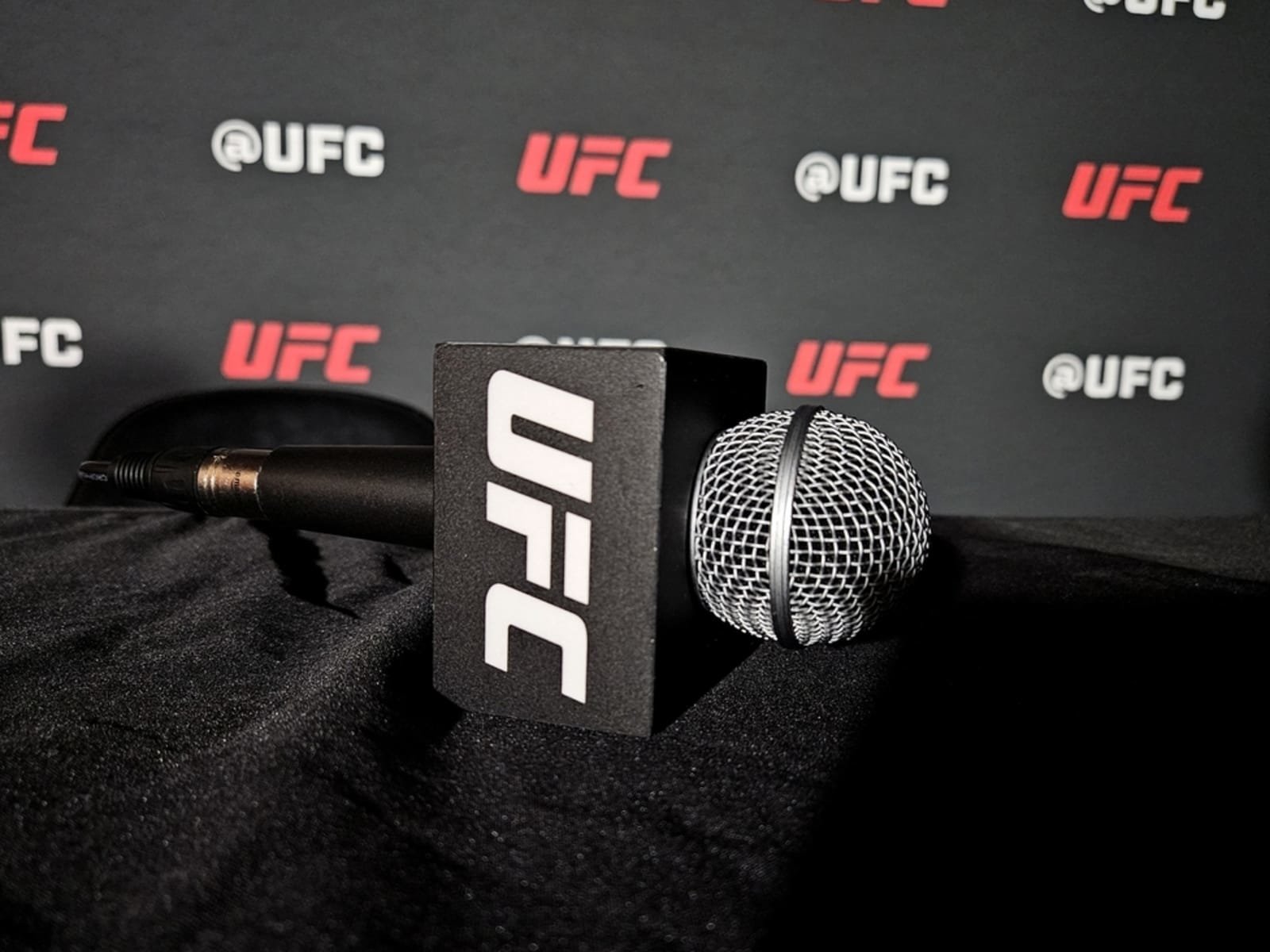
The expansion of Saudi Arabia’s role in global sports is increasingly shaping the commercial strategy of TKO Group Holdings, the parent company of UFC and WWE, reflecting a SYSTEM-DRIVEN shift in how elite combat and entertainment sports are financed and staged internationally.
The company has confirmed that Saudi support for its events remains “unwavering,” reinforcing the kingdom’s position as a long-term strategic partner rather than a temporary host.
What is confirmed is that Saudi Arabia has become a recurring venue and financial backer for major UFC and WWE events, particularly under long-term entertainment agreements tied to the kingdom’s broader Vision 2030 diversification strategy.
These deals include hosting high-profile fight cards and wrestling events in Riyadh and other Saudi cities, often featuring major global stars and premium production investments.
The arrangement is part of Saudi Arabia’s wider push to position itself as a global hub for sports and entertainment.
Over the past several years, the kingdom has invested heavily in hosting international boxing matches, Formula One races, football competitions, and major wrestling and mixed martial arts events.
This strategy is designed to reduce economic reliance on oil revenues and increase tourism, foreign investment, and global cultural visibility.
For TKO Group, Saudi Arabia represents a significant revenue stream and a reliable partner for large-scale international events.
The company’s leadership has repeatedly emphasized the financial stability and logistical support provided by Saudi hosts, particularly for events that require substantial production infrastructure and guaranteed funding.
The reaffirmation of “unwavering” support signals continuity in this partnership despite broader geopolitical scrutiny.
That scrutiny centers on accusations of sportswashing, a term used by critics who argue that high-profile sports investments are intended to improve international perceptions of Saudi Arabia amid concerns over human rights practices.
These concerns have been raised across multiple sports partnerships involving the kingdom, including golf, football, and combat sports.
Saudi officials consistently reject the characterization, framing their investments as part of legitimate economic diversification and cultural development.
Within the global sports industry, the Saudi-TKO relationship reflects a broader structural trend in which state-backed investment funds and sovereign wealth strategies are reshaping event economics.
Large-scale sporting events increasingly depend on a small number of wealthy state partners capable of underwriting expensive global productions, reducing reliance on traditional ticketing and broadcast revenue alone.
At the same time, the partnership raises strategic risks for TKO.
Heavy reliance on a single state-backed sponsor can expose the company to geopolitical volatility, reputational debates, and shifting regulatory scrutiny in Western markets.
However, it also provides access to capital-intensive opportunities that would be difficult to secure through conventional commercial sponsorship models alone.
The continued expansion of Saudi involvement suggests that combat sports and sports entertainment are moving further into a model where state investment plays a central role in global event scheduling and financing.
TKO’s reaffirmation of its partnership indicates that, for now, the commercial benefits outweigh the reputational and political complexities surrounding the relationship.
The result is a global sports ecosystem in which Saudi Arabia is no longer a peripheral host but a structural financier of major events, and where companies like TKO are increasingly embedded in long-term state-led entertainment strategies that extend far beyond individual fight cards or wrestling shows.
The company has confirmed that Saudi support for its events remains “unwavering,” reinforcing the kingdom’s position as a long-term strategic partner rather than a temporary host.
What is confirmed is that Saudi Arabia has become a recurring venue and financial backer for major UFC and WWE events, particularly under long-term entertainment agreements tied to the kingdom’s broader Vision 2030 diversification strategy.
These deals include hosting high-profile fight cards and wrestling events in Riyadh and other Saudi cities, often featuring major global stars and premium production investments.
The arrangement is part of Saudi Arabia’s wider push to position itself as a global hub for sports and entertainment.
Over the past several years, the kingdom has invested heavily in hosting international boxing matches, Formula One races, football competitions, and major wrestling and mixed martial arts events.
This strategy is designed to reduce economic reliance on oil revenues and increase tourism, foreign investment, and global cultural visibility.
For TKO Group, Saudi Arabia represents a significant revenue stream and a reliable partner for large-scale international events.
The company’s leadership has repeatedly emphasized the financial stability and logistical support provided by Saudi hosts, particularly for events that require substantial production infrastructure and guaranteed funding.
The reaffirmation of “unwavering” support signals continuity in this partnership despite broader geopolitical scrutiny.
That scrutiny centers on accusations of sportswashing, a term used by critics who argue that high-profile sports investments are intended to improve international perceptions of Saudi Arabia amid concerns over human rights practices.
These concerns have been raised across multiple sports partnerships involving the kingdom, including golf, football, and combat sports.
Saudi officials consistently reject the characterization, framing their investments as part of legitimate economic diversification and cultural development.
Within the global sports industry, the Saudi-TKO relationship reflects a broader structural trend in which state-backed investment funds and sovereign wealth strategies are reshaping event economics.
Large-scale sporting events increasingly depend on a small number of wealthy state partners capable of underwriting expensive global productions, reducing reliance on traditional ticketing and broadcast revenue alone.
At the same time, the partnership raises strategic risks for TKO.
Heavy reliance on a single state-backed sponsor can expose the company to geopolitical volatility, reputational debates, and shifting regulatory scrutiny in Western markets.
However, it also provides access to capital-intensive opportunities that would be difficult to secure through conventional commercial sponsorship models alone.
The continued expansion of Saudi involvement suggests that combat sports and sports entertainment are moving further into a model where state investment plays a central role in global event scheduling and financing.
TKO’s reaffirmation of its partnership indicates that, for now, the commercial benefits outweigh the reputational and political complexities surrounding the relationship.
The result is a global sports ecosystem in which Saudi Arabia is no longer a peripheral host but a structural financier of major events, and where companies like TKO are increasingly embedded in long-term state-led entertainment strategies that extend far beyond individual fight cards or wrestling shows.