Four Convicted of Conspiracy in 2021 Assassination of Haiti's President
US trial finds four men guilty of conspiracy in the assassination of Haitian President Jovenel Moïse.
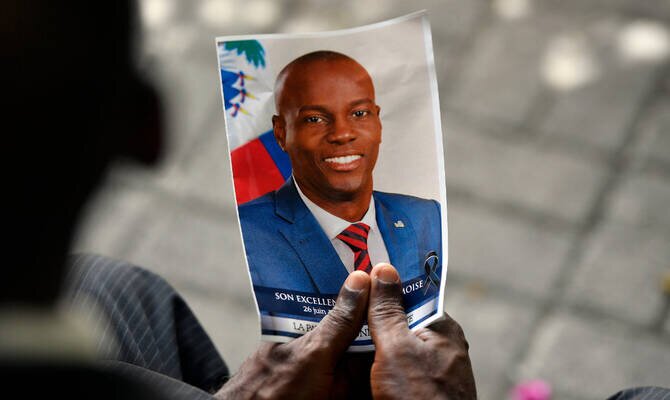
A Florida jury has convicted four men of conspiracy in the 2021 assassination of Haitian President Jovenel Moïse, whose death triggered significant unrest in Haiti.
The trial took place in Miami and revealed that South Florida served as a central location for planning and financing the plot to oust Moïse and replace him with one of the conspirators' choosing.
The convicted individuals include Arcangel Pretel Ortiz, Antonio Intriago, Walter Veintemilla, and James Solages.
They were found guilty of conspiring to kill or kidnap Haiti’s elected leader as well as providing material support for the plot.
The jury also ruled them guilty of violating the US Neutrality Act, with each facing potential life sentences.
US Attorney for the Southern District of Florida Jason Reding Quiñones stated that these defendants sought power, influence, and profit through violence, destabilizing a friendly nation and ending in the murder of a sitting president.
The rule of law has upheld the jury's decision.
The prosecution argued that the men had their own chosen leader for the new government, aiming to enrich themselves through such a change.
Moïse was killed on July 7, 2021, by approximately two dozen foreign mercenaries primarily from Colombia who attacked his home near Port-au-Prince.
His wife, Martine, was wounded during the attack and treated in the US, while gang leaders in Haiti have become more violent and influential.
During trial, Martine Moïse testified as the first witness through a Creole interpreter about awakening to gunfire on the night of the assassination.
When she questioned her husband, Jovenel replied that they were dead.
Ortiz and Intriago worked for Counter Terrorist Unit Federal Academy and Counter Terrorist Unit Security in South Florida, while Veintemilla was a principal at Worldwide Capital Lending Group.
Solages served as a CTU representative in Haiti who coordinated with Sanon and other conspirators.
Christian Sanon, a dual Haitian-American citizen, is said to have been the initially favored replacement for Moïse by the conspirators, though his trial has not yet taken place.
The defense argued that the investigation into the assassination was flawed and that their clients were manipulated into taking blame for an internal coup.
They also stated that the men believed they had a legitimate warrant signed by a Haitian judge and sought to liberate Haiti from Moïse, who they deemed had overstayed his term as president.
At least five others involved in the conspiracy have already pleaded guilty and are serving life sentences.
Additionally, 20 people, including 17 Colombian soldiers, face charges in Haiti related to their involvement in the assassination.
The ongoing investigation has been hindered by gang violence, death threats, and a crumbling judicial system.
The trial took place in Miami and revealed that South Florida served as a central location for planning and financing the plot to oust Moïse and replace him with one of the conspirators' choosing.
The convicted individuals include Arcangel Pretel Ortiz, Antonio Intriago, Walter Veintemilla, and James Solages.
They were found guilty of conspiring to kill or kidnap Haiti’s elected leader as well as providing material support for the plot.
The jury also ruled them guilty of violating the US Neutrality Act, with each facing potential life sentences.
US Attorney for the Southern District of Florida Jason Reding Quiñones stated that these defendants sought power, influence, and profit through violence, destabilizing a friendly nation and ending in the murder of a sitting president.
The rule of law has upheld the jury's decision.
The prosecution argued that the men had their own chosen leader for the new government, aiming to enrich themselves through such a change.
Moïse was killed on July 7, 2021, by approximately two dozen foreign mercenaries primarily from Colombia who attacked his home near Port-au-Prince.
His wife, Martine, was wounded during the attack and treated in the US, while gang leaders in Haiti have become more violent and influential.
During trial, Martine Moïse testified as the first witness through a Creole interpreter about awakening to gunfire on the night of the assassination.
When she questioned her husband, Jovenel replied that they were dead.
Ortiz and Intriago worked for Counter Terrorist Unit Federal Academy and Counter Terrorist Unit Security in South Florida, while Veintemilla was a principal at Worldwide Capital Lending Group.
Solages served as a CTU representative in Haiti who coordinated with Sanon and other conspirators.
Christian Sanon, a dual Haitian-American citizen, is said to have been the initially favored replacement for Moïse by the conspirators, though his trial has not yet taken place.
The defense argued that the investigation into the assassination was flawed and that their clients were manipulated into taking blame for an internal coup.
They also stated that the men believed they had a legitimate warrant signed by a Haitian judge and sought to liberate Haiti from Moïse, who they deemed had overstayed his term as president.
At least five others involved in the conspiracy have already pleaded guilty and are serving life sentences.
Additionally, 20 people, including 17 Colombian soldiers, face charges in Haiti related to their involvement in the assassination.
The ongoing investigation has been hindered by gang violence, death threats, and a crumbling judicial system.