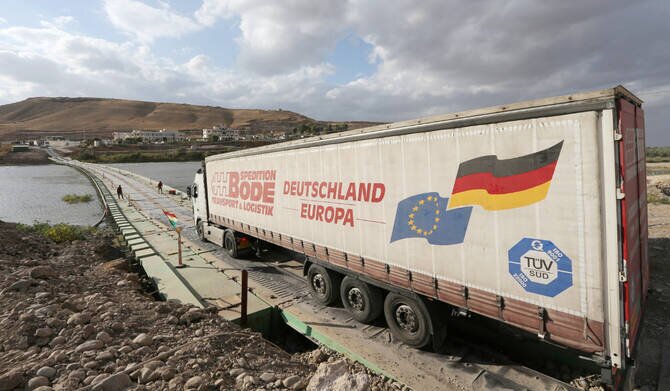
Syria Emerges as Potential Trade Route Alternative to Blocked Hormuz Strait
Amid disruptions in Hormuz Strait, Syria is repositioning itself as a trade corridor for energy and commercial supplies between the Gulf and Europe.
LONDON: Disruption in the Strait of Hormuz is pushing governments and businesses to seek alternative routes, with Syria re-emerging as a potential trade corridor.
Linking Iraq to the Mediterranean and the Gulf to Europe, Syria's strategic geography makes it a 'safe corridor' for energy supplies and supply chains.
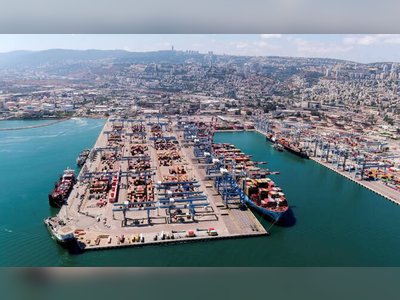
Under an agreement between Syria and Iraq, Iraqi oil exports are moving through Syrian ports.
The reopening of key border crossings suggests that Syria is becoming a transit route, offering faster delivery but at higher costs compared to maritime shipping lanes.
Security threats, damaged infrastructure, and the risks associated with sanctions continue to limit Syria's viability as a major logistics hub.
Syria's reemergence as a regional land bridge positions it as an alternative to Hormuz for Gulf energy flows.
However, operational access does not yet make Syria a reliable option.
Major political and legal hurdles remain, such as its designation as a terrorist-supporting country by the US Congress.
Despite these challenges, Syrian officials believe Washington is moving toward delisting the country.
The idea of transforming Syria into an 'entrepot' or trade hub has been around for years but gained traction recently due to regional conflicts and disruptions in traditional shipping routes.
The reopening of border crossings and ports indicates a shift towards utilizing overland corridors, although security risks and infrastructure damage remain significant obstacles.
Linking Iraq to the Mediterranean and the Gulf to Europe, Syria's strategic geography makes it a 'safe corridor' for energy supplies and supply chains.
Under an agreement between Syria and Iraq, Iraqi oil exports are moving through Syrian ports.
The reopening of key border crossings suggests that Syria is becoming a transit route, offering faster delivery but at higher costs compared to maritime shipping lanes.
Security threats, damaged infrastructure, and the risks associated with sanctions continue to limit Syria's viability as a major logistics hub.
Syria's reemergence as a regional land bridge positions it as an alternative to Hormuz for Gulf energy flows.
However, operational access does not yet make Syria a reliable option.
Major political and legal hurdles remain, such as its designation as a terrorist-supporting country by the US Congress.
Despite these challenges, Syrian officials believe Washington is moving toward delisting the country.
The idea of transforming Syria into an 'entrepot' or trade hub has been around for years but gained traction recently due to regional conflicts and disruptions in traditional shipping routes.
The reopening of border crossings and ports indicates a shift towards utilizing overland corridors, although security risks and infrastructure damage remain significant obstacles.