Stolen Venus Statues Draw Attention to Ongoing Threats to Syria's Cultural Heritage
Six Roman-era marble statues were stolen from the National Museum in Damascus, highlighting vulnerabilities in cultural preservation.
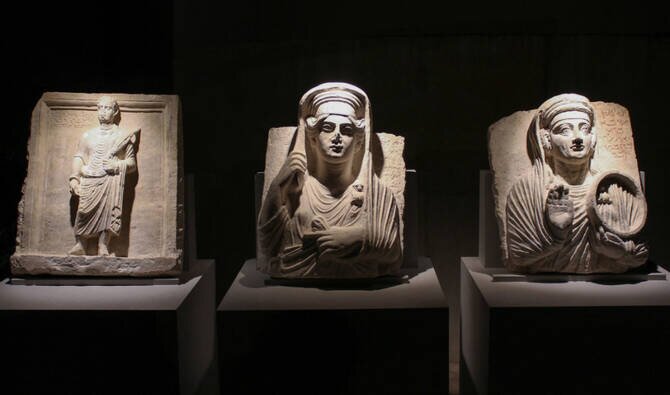
In early November, six Roman-era marble statues vanished from Syria’s National Museum in Damascus.
Staff later found that one of the museum’s doors had been broken from the inside, and officials concluded they had been stolen.
The heist took place overnight on Nov. 12 in the museum’s classical wing, which houses priceless antiquities.
Many pieces had survived 14 years of civil war stored in secret locations to protect them from looting and destruction.
The loss has drawn fresh attention to the disappearance of antiquities that carry the story of the region’s ancient civilizations, even as the more visible scars of war dominate the landscape.
In response to the heist, the Directorate-General for Antiquities and Museums temporarily closed the museum and opened an investigation into the "circumstances surrounding the loss of a number of exhibits".
The agency also said in a statement it had taken steps to strengthen protection and monitoring systems.
UNESCO has condemned the theft, calling it an attack on Syria’s cultural heritage and history.
For researchers and heritage specialists, the episode emphasizes the risks facing cultural institutions during Syria’s transitional period.
"Hearing about the theft was distressing," Madison Leeson, an Amman-based cultural heritage crime researcher, told Arab News.
"These statues are obviously historically significant, but they also represent part of Syria’s cultural inheritance, to which collective identity is often tied in societies grappling with conflict and instability".
Staff later found that one of the museum’s doors had been broken from the inside, and officials concluded they had been stolen.
The heist took place overnight on Nov. 12 in the museum’s classical wing, which houses priceless antiquities.
Many pieces had survived 14 years of civil war stored in secret locations to protect them from looting and destruction.
The loss has drawn fresh attention to the disappearance of antiquities that carry the story of the region’s ancient civilizations, even as the more visible scars of war dominate the landscape.
In response to the heist, the Directorate-General for Antiquities and Museums temporarily closed the museum and opened an investigation into the "circumstances surrounding the loss of a number of exhibits".
The agency also said in a statement it had taken steps to strengthen protection and monitoring systems.
UNESCO has condemned the theft, calling it an attack on Syria’s cultural heritage and history.
For researchers and heritage specialists, the episode emphasizes the risks facing cultural institutions during Syria’s transitional period.
"Hearing about the theft was distressing," Madison Leeson, an Amman-based cultural heritage crime researcher, told Arab News.
"These statues are obviously historically significant, but they also represent part of Syria’s cultural inheritance, to which collective identity is often tied in societies grappling with conflict and instability".