Southeast Asian Leaders Seek Strategy to Ease Impacts of Iran War
ASEAN leaders at a summit in Cebu stress the urgent need for a coordinated response to address energy and food security concerns stemming from the ongoing Middle East crisis.
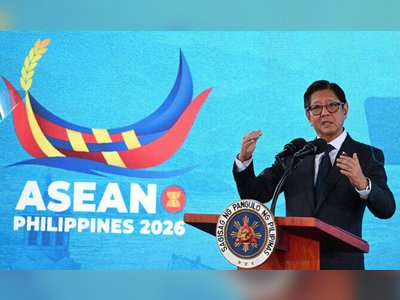
Meeting on the Philippine island of Cebu, leaders of the Association of Southeast Asian Nations (ASEAN) emphasized the necessity for a unified strategy to ensure energy and food security and mitigate potential crises in a region highly vulnerable to disruptions.
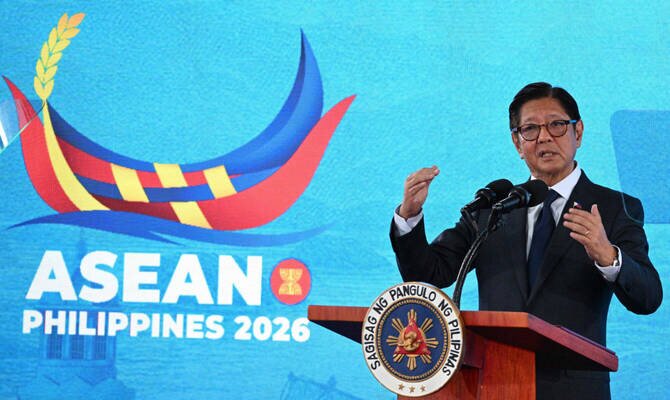
The ASEAN summit, chaired by Philippine President Ferdinand Marcos Jr., aimed to address the impacts of the conflict in Iran, particularly concerning the blockade of the Strait of Hormuz, a critical waterway through which approximately 130 vessels pass daily, carrying about 20% of the world's oil and gas supplies prior to the conflict.
The chair of ASEAN stated that recent events highlighted the region's susceptibility to sudden shifts in the global order and underscored the importance of 'foresight, coordination, and concrete collective action.'
ASEAN economic ministers identified practical measures to safeguard energy and food security, such as diversifying suppliers and routes and establishing a crisis communication protocol.
However, specific details regarding potential actions remained unclear.
The region, with a population of nearly 700 million people and combined GDP of $3.8 trillion, faces significant risks due to the ongoing conflict in Iran.
Marcos Jr. advocated for the approval of an ASEAN oil-sharing framework agreement aimed at mitigating energy shortages.
Coordination within ASEAN poses a challenge due to varying economic levels among its 11 members and lack of central authority ensuring compliance with agreements.
Leaders stressed the importance of building resilience proactively, particularly in addressing long-term disruptions.
Indonesian President Prabowo Subianto noted that pressure on energy supplies was high and unlikely to ease soon, advocating for a forward-looking approach to ensure readiness for any eventualities.
Additionally, ASEAN leaders recognized the need to prevent trade route disruptions, such as those occurring through critical waterways like the South China Sea and Malacca Strait.
The summit is expected to call for a negotiated settlement between the United States and Iran, urging ASEAN members to complete the necessary steps for ratifying a fuel-sharing pact.
Despite the ongoing conflict dominating discussions in Cebu, progress was made on other fronts.
Marcos Jr. facilitated an agreement between Thailand and Cambodia regarding their border conflict, while foreign ministers agreed to hold a virtual meeting with Myanmar, aiming to normalize ties after a military coup led to civil unrest.
The crisis in Myanmar has divided ASEAN members, with some seeking engagement with the newly formed government.
Overall, the summit aimed to enhance regional cooperation in addressing global challenges.
The ASEAN summit, chaired by Philippine President Ferdinand Marcos Jr., aimed to address the impacts of the conflict in Iran, particularly concerning the blockade of the Strait of Hormuz, a critical waterway through which approximately 130 vessels pass daily, carrying about 20% of the world's oil and gas supplies prior to the conflict.
The chair of ASEAN stated that recent events highlighted the region's susceptibility to sudden shifts in the global order and underscored the importance of 'foresight, coordination, and concrete collective action.'
ASEAN economic ministers identified practical measures to safeguard energy and food security, such as diversifying suppliers and routes and establishing a crisis communication protocol.
However, specific details regarding potential actions remained unclear.
The region, with a population of nearly 700 million people and combined GDP of $3.8 trillion, faces significant risks due to the ongoing conflict in Iran.
Marcos Jr. advocated for the approval of an ASEAN oil-sharing framework agreement aimed at mitigating energy shortages.
Coordination within ASEAN poses a challenge due to varying economic levels among its 11 members and lack of central authority ensuring compliance with agreements.
Leaders stressed the importance of building resilience proactively, particularly in addressing long-term disruptions.
Indonesian President Prabowo Subianto noted that pressure on energy supplies was high and unlikely to ease soon, advocating for a forward-looking approach to ensure readiness for any eventualities.
Additionally, ASEAN leaders recognized the need to prevent trade route disruptions, such as those occurring through critical waterways like the South China Sea and Malacca Strait.
The summit is expected to call for a negotiated settlement between the United States and Iran, urging ASEAN members to complete the necessary steps for ratifying a fuel-sharing pact.
Despite the ongoing conflict dominating discussions in Cebu, progress was made on other fronts.
Marcos Jr. facilitated an agreement between Thailand and Cambodia regarding their border conflict, while foreign ministers agreed to hold a virtual meeting with Myanmar, aiming to normalize ties after a military coup led to civil unrest.
The crisis in Myanmar has divided ASEAN members, with some seeking engagement with the newly formed government.
Overall, the summit aimed to enhance regional cooperation in addressing global challenges.