Saudi-UAE Rift in Yemen Escalates as Strategic and Political Divisions Deepen
Diverging visions for Yemen have transformed a former coalition partnership into a bitter regional rivalry with significant military and diplomatic implications
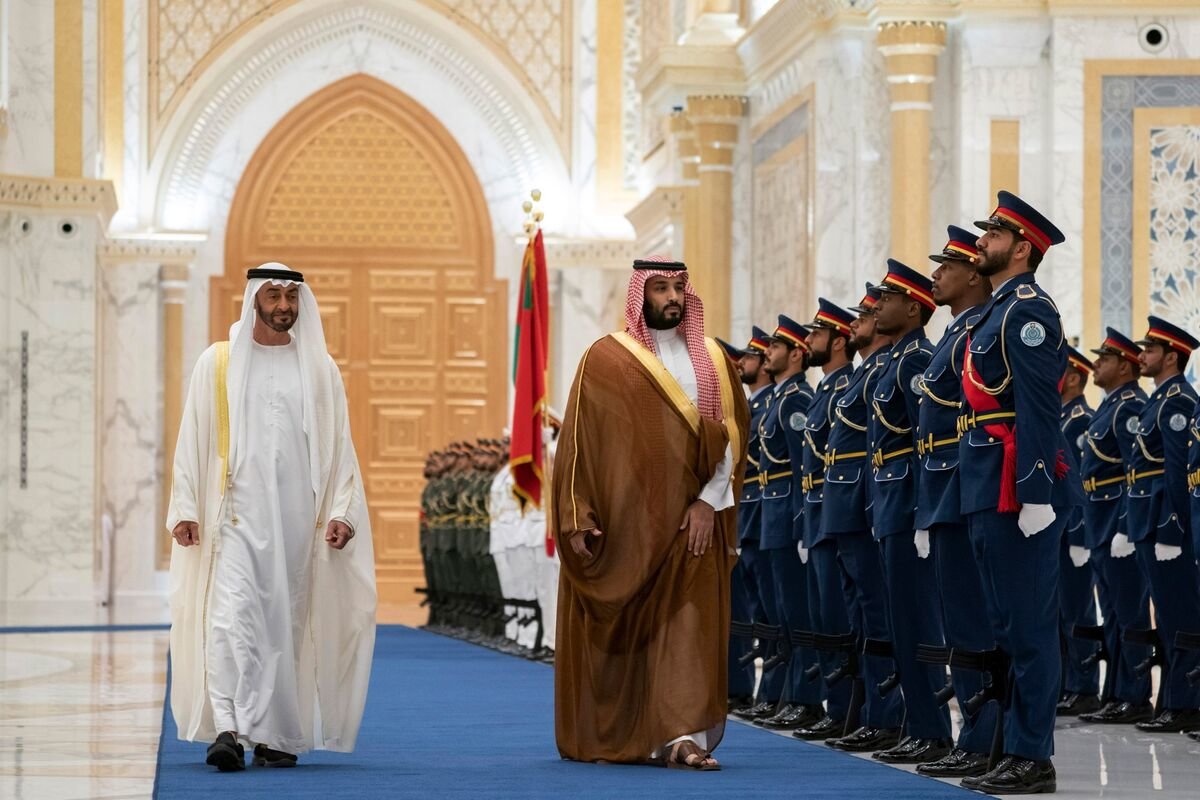
Tensions between Saudi Arabia and the United Arab Emirates have surged to a new height in Yemen’s protracted civil conflict, transforming erstwhile allies in the Saudi-led coalition into strategic rivals with competing visions for the country’s future.
Once aligned against the Iran-backed Houthi movement that controls most of northern Yemen, Riyadh and Abu Dhabi now find themselves at odds over the approach to southern Yemen, separatist forces and the broader balance of power across the Arabian Peninsula and Horn of Africa.
The rupture began in earnest after the UAE-backed Southern Transitional Council, a separatist group advocating for an independent South Yemen, launched a major offensive to seize key provinces including Hadhramaut and Al-Mahra late last year.
Those moves alarmed Saudi Arabia, which views the unity and stability of Yemen as central to its national security and as critical to preventing spillover along its southern border.
Riyadh responded with airstrikes against Southern Transitional Council positions and has been highly critical of Abu Dhabi’s proxy strategy, describing it as destabilising and contrary to a unified state framework.
The crisis reached a flashpoint when Saudi media escalated its rhetoric, accusing the UAE of supporting activities that threaten Saudi national security and challenging Abu Dhabi’s conduct in the region.
State-aligned broadcasters and commentators labelled the actions of UAE-aligned forces in Yemen as a betrayal of their defence partnership and went as far as proposing closure of land borders and airspace restrictions, signalling deep diplomatic strain.
Analysts note that the media offensive reflects broader disagreement over the use of non-state actors and proxy networks, contrasting Saudi Arabia’s preference for working with established governments against the UAE’s more flexible approach to influence.
The UAE has rejected accusations that it is fuelling Yemeni conflict or undermining Saudi security, asserting that its involvement was aimed at supporting the legitimate government against the Houthis and combatting terrorism.
Emirati officials deny directing military operations that could threaten Saudi borders and emphasise that their forces have largely withdrawn, with any remaining support intended for stability and de-escalation.
Riyadh, however, remains wary of separate military and financial networks operating inside Yemen that it believes could embolden separatist elements and fragment the state.
The divergence in strategy has broader regional implications, extending beyond Yemen’s battlefields to influence alignments in the Red Sea, Horn of Africa and wider Middle East arenas.
Saudi Arabia’s stance underscores its prioritisation of unified governance and strategic depth, while the UAE’s posture highlights its willingness to cultivate local alliances for influence.
As diplomatic engagement and security manoeuvres continue, the unfolding Saudi-UAE rift underscores how competing visions for Yemen’s future have turned a cooperative coalition into a stark rivalry, with consequences for peace efforts and regional stability.
Once aligned against the Iran-backed Houthi movement that controls most of northern Yemen, Riyadh and Abu Dhabi now find themselves at odds over the approach to southern Yemen, separatist forces and the broader balance of power across the Arabian Peninsula and Horn of Africa.
The rupture began in earnest after the UAE-backed Southern Transitional Council, a separatist group advocating for an independent South Yemen, launched a major offensive to seize key provinces including Hadhramaut and Al-Mahra late last year.
Those moves alarmed Saudi Arabia, which views the unity and stability of Yemen as central to its national security and as critical to preventing spillover along its southern border.
Riyadh responded with airstrikes against Southern Transitional Council positions and has been highly critical of Abu Dhabi’s proxy strategy, describing it as destabilising and contrary to a unified state framework.
The crisis reached a flashpoint when Saudi media escalated its rhetoric, accusing the UAE of supporting activities that threaten Saudi national security and challenging Abu Dhabi’s conduct in the region.
State-aligned broadcasters and commentators labelled the actions of UAE-aligned forces in Yemen as a betrayal of their defence partnership and went as far as proposing closure of land borders and airspace restrictions, signalling deep diplomatic strain.
Analysts note that the media offensive reflects broader disagreement over the use of non-state actors and proxy networks, contrasting Saudi Arabia’s preference for working with established governments against the UAE’s more flexible approach to influence.
The UAE has rejected accusations that it is fuelling Yemeni conflict or undermining Saudi security, asserting that its involvement was aimed at supporting the legitimate government against the Houthis and combatting terrorism.
Emirati officials deny directing military operations that could threaten Saudi borders and emphasise that their forces have largely withdrawn, with any remaining support intended for stability and de-escalation.
Riyadh, however, remains wary of separate military and financial networks operating inside Yemen that it believes could embolden separatist elements and fragment the state.
The divergence in strategy has broader regional implications, extending beyond Yemen’s battlefields to influence alignments in the Red Sea, Horn of Africa and wider Middle East arenas.
Saudi Arabia’s stance underscores its prioritisation of unified governance and strategic depth, while the UAE’s posture highlights its willingness to cultivate local alliances for influence.
As diplomatic engagement and security manoeuvres continue, the unfolding Saudi-UAE rift underscores how competing visions for Yemen’s future have turned a cooperative coalition into a stark rivalry, with consequences for peace efforts and regional stability.