Gulf States Fear Collapse of Iranian Regime Could Spark Chaos and Regional Instability
Monarchies prefer a weakened but intact Tehran to the uncertainty of state collapse amid protests and geopolitical tension
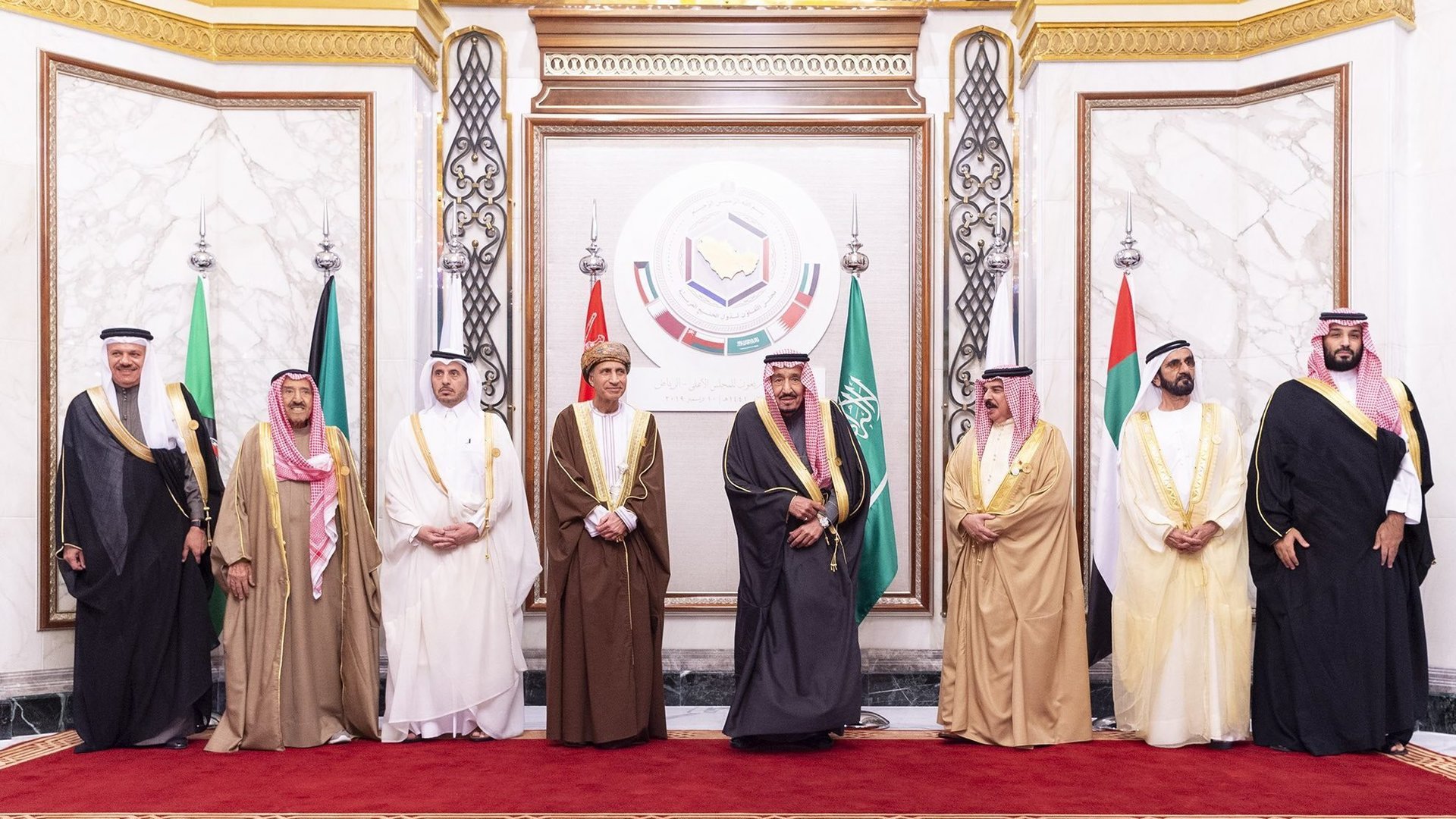
Gulf Cooperation Council states, including Saudi Arabia, Qatar and others, are closely watching developments in Iran with apprehension, not because they support its current leadership but because they fear the consequences of an abrupt collapse of the Iranian regime.
Intensifying nationwide protests and increasing talk of regime change in Tehran have prompted neighbouring Arab states to voice concern about instability spilling across borders and disrupting a fragile regional order.
Despite decades of rivalry with Tehran, Gulf leaders have consistently counselled against direct military confrontation or policies that might topple the Islamic Republic, arguing that the collapse of a familiar, if adversarial, government could unleash unpredictable turmoil.
Officials and analysts across the region believe that managed pressure to moderate Iran’s behaviour — rather than abrupt regime change — offers a more stable path forward while limiting risks to their own economic and security interests.
Among the principal concerns is the potential for widespread violence, succession struggles and the breakdown of governing institutions if the current regime were to disintegrate.
Gulf states worry that such chaos could produce large waves of refugees, embolden extremist groups and create gaps that external powers might exploit, undermining their own territorial security.
This apprehension is compounded by the risk that disenfranchised ethnic groups could seek autonomy or create new conflicts that spiral beyond Iran’s borders.
Another factor is the regional balance of power.
While Arab monarchies have historically condemned elements of Iranian foreign policy and proxy networks, a negotiated reduction in Tehran’s regional influence is seen as preferable to the uncertainties of a power vacuum.
Leaders in Riyadh and Doha have emphasised diplomacy and de-escalation with both Tehran and Washington as means to avoid escalation that could draw in their own states or disrupt global energy markets.
As they navigate these pressures, Gulf capitals are balancing the desire for reduced Iranian hostility with a cautious approach that seeks to preserve stability and prevent a sudden upheaval from triggering broader conflict across the Middle East.
Intensifying nationwide protests and increasing talk of regime change in Tehran have prompted neighbouring Arab states to voice concern about instability spilling across borders and disrupting a fragile regional order.
Despite decades of rivalry with Tehran, Gulf leaders have consistently counselled against direct military confrontation or policies that might topple the Islamic Republic, arguing that the collapse of a familiar, if adversarial, government could unleash unpredictable turmoil.
Officials and analysts across the region believe that managed pressure to moderate Iran’s behaviour — rather than abrupt regime change — offers a more stable path forward while limiting risks to their own economic and security interests.
Among the principal concerns is the potential for widespread violence, succession struggles and the breakdown of governing institutions if the current regime were to disintegrate.
Gulf states worry that such chaos could produce large waves of refugees, embolden extremist groups and create gaps that external powers might exploit, undermining their own territorial security.
This apprehension is compounded by the risk that disenfranchised ethnic groups could seek autonomy or create new conflicts that spiral beyond Iran’s borders.
Another factor is the regional balance of power.
While Arab monarchies have historically condemned elements of Iranian foreign policy and proxy networks, a negotiated reduction in Tehran’s regional influence is seen as preferable to the uncertainties of a power vacuum.
Leaders in Riyadh and Doha have emphasised diplomacy and de-escalation with both Tehran and Washington as means to avoid escalation that could draw in their own states or disrupt global energy markets.
As they navigate these pressures, Gulf capitals are balancing the desire for reduced Iranian hostility with a cautious approach that seeks to preserve stability and prevent a sudden upheaval from triggering broader conflict across the Middle East.