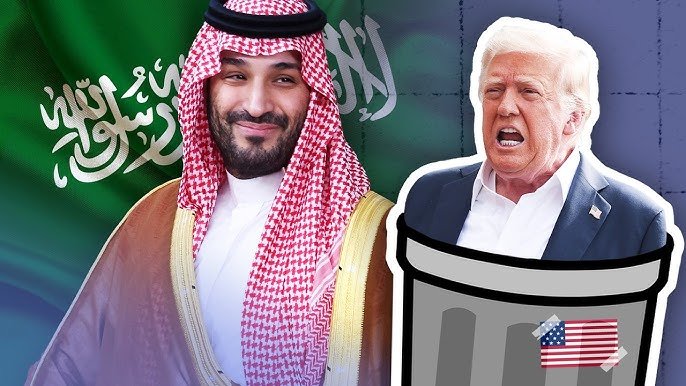
Saudi-U.S. Relations Enter a More Nuanced Phase as Riyadh Asserts Strategic Autonomy
Recent diplomatic and security decisions highlight a recalibration in Saudi foreign policy without dismantling its long-standing partnership with Washington
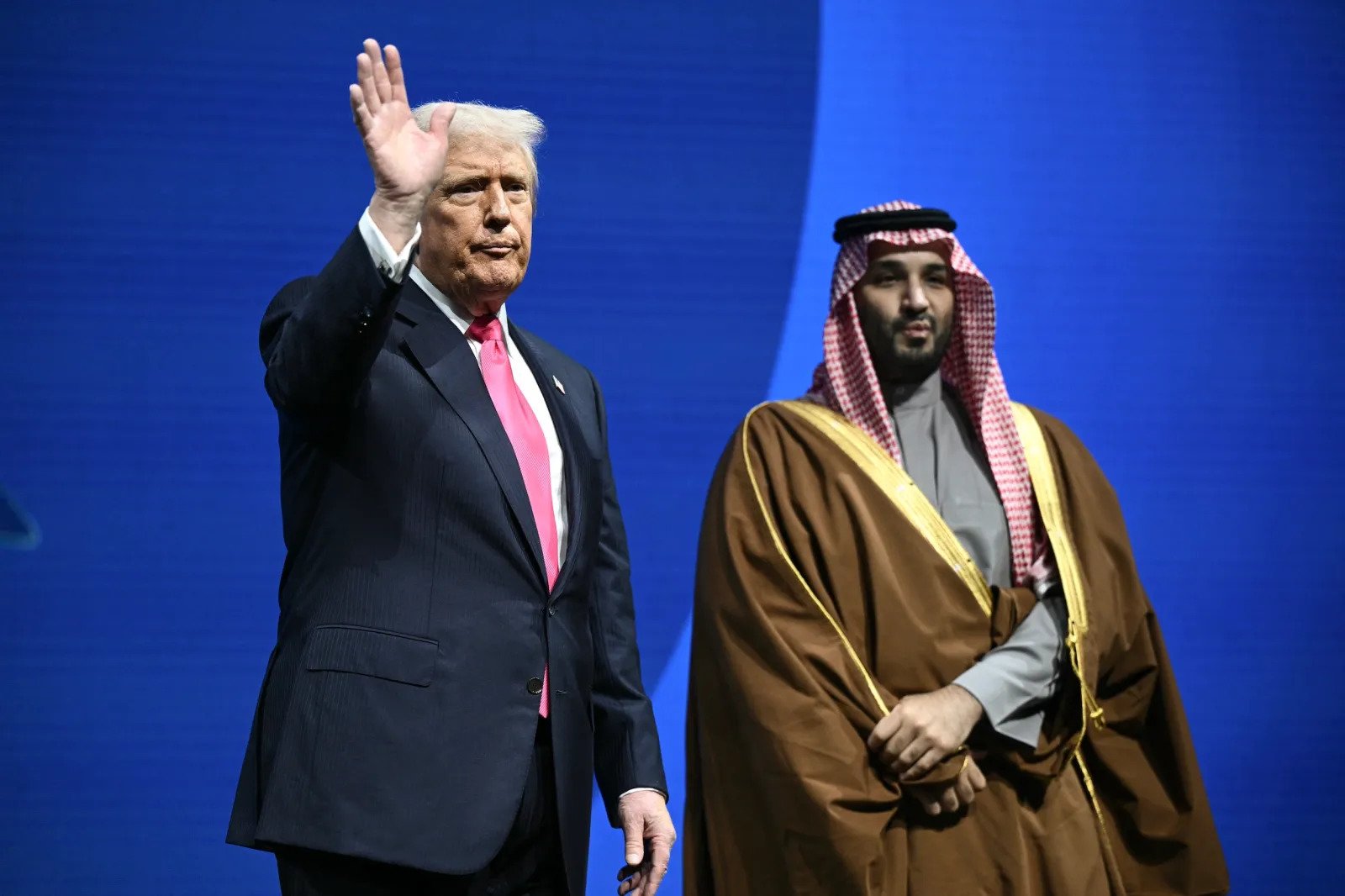
Saudi Arabia’s relationship with the United States is undergoing a measured evolution rather than a rupture, as Riyadh adapts its foreign policy to shifting regional and global dynamics while preserving deep economic and strategic ties with Washington.
The United States remains one of Saudi Arabia’s most significant economic partners, with extensive cooperation across defence, energy, infrastructure, technology and finance.
American companies continue to play a prominent role in projects linked to the Kingdom’s Vision two thousand and thirty programme, particularly in advanced manufacturing, renewable energy and artificial intelligence.
These commercial links underscore the institutional depth of the bilateral relationship and its importance to both economies.
At the same time, Saudi Arabia has demonstrated a clearer assertion of strategic independence in regional security matters.
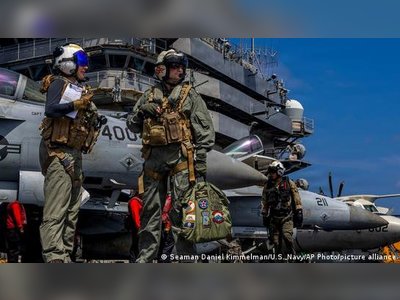
Riyadh has declined requests to allow its territory or airspace to be used for potential military operations against Iran, reflecting a preference for de-escalation and regional stability.
This position aligns with broader Gulf concerns about the risks of direct confrontation and signals that Saudi decision-making is guided primarily by its own security assessments.
Saudi officials have also joined calls for restraint and diplomacy in managing tensions surrounding Iran’s nuclear programme, emphasising dialogue over military escalation.
These diplomatic messages point to a foreign policy that seeks to balance traditional alliances with pragmatic engagement and risk management in a volatile region.
Despite these signals of autonomy, cooperation with Washington continues to expand in other areas.
Recent agreements enabling the transfer of advanced American technology to Saudi partners illustrate growing collaboration in high-value sectors.
Regular high-level dialogues and business forums further reinforce mutual interests and long-term engagement.
Rather than drifting away, Saudi Arabia appears to be shaping a more diversified and self-directed foreign policy while maintaining substantial economic, technological and diplomatic links with the United States.
The relationship is increasingly characterised by flexibility and selective alignment, reflecting changing global realities and Saudi Arabia’s evolving national priorities.
The United States remains one of Saudi Arabia’s most significant economic partners, with extensive cooperation across defence, energy, infrastructure, technology and finance.
American companies continue to play a prominent role in projects linked to the Kingdom’s Vision two thousand and thirty programme, particularly in advanced manufacturing, renewable energy and artificial intelligence.
These commercial links underscore the institutional depth of the bilateral relationship and its importance to both economies.
At the same time, Saudi Arabia has demonstrated a clearer assertion of strategic independence in regional security matters.
Riyadh has declined requests to allow its territory or airspace to be used for potential military operations against Iran, reflecting a preference for de-escalation and regional stability.
This position aligns with broader Gulf concerns about the risks of direct confrontation and signals that Saudi decision-making is guided primarily by its own security assessments.
Saudi officials have also joined calls for restraint and diplomacy in managing tensions surrounding Iran’s nuclear programme, emphasising dialogue over military escalation.
These diplomatic messages point to a foreign policy that seeks to balance traditional alliances with pragmatic engagement and risk management in a volatile region.
Despite these signals of autonomy, cooperation with Washington continues to expand in other areas.
Recent agreements enabling the transfer of advanced American technology to Saudi partners illustrate growing collaboration in high-value sectors.
Regular high-level dialogues and business forums further reinforce mutual interests and long-term engagement.
Rather than drifting away, Saudi Arabia appears to be shaping a more diversified and self-directed foreign policy while maintaining substantial economic, technological and diplomatic links with the United States.
The relationship is increasingly characterised by flexibility and selective alignment, reflecting changing global realities and Saudi Arabia’s evolving national priorities.