Pakistan’s Expanding Defence Ties with Saudi Arabia Highlight Rift with the UAE
Islamabad’s defence cooperation and arms engagement with Riyadh underscores evolving Gulf dynamics and strategic realignments
Pakistan has emerged as a key partner for Saudi Arabia’s defence strategy, deepening military cooperation through arms deals, strategic exercises and a landmark mutual defence pact that positions Islamabad at the centre of evolving Gulf security dynamics.
In September 2025, Pakistan and Saudi Arabia formalised a Strategic Mutual Defence Agreement in Riyadh, committing that any aggression against one would be treated as an attack on both — a pact that institutionalises decades of military cooperation and reflects shared security concerns.
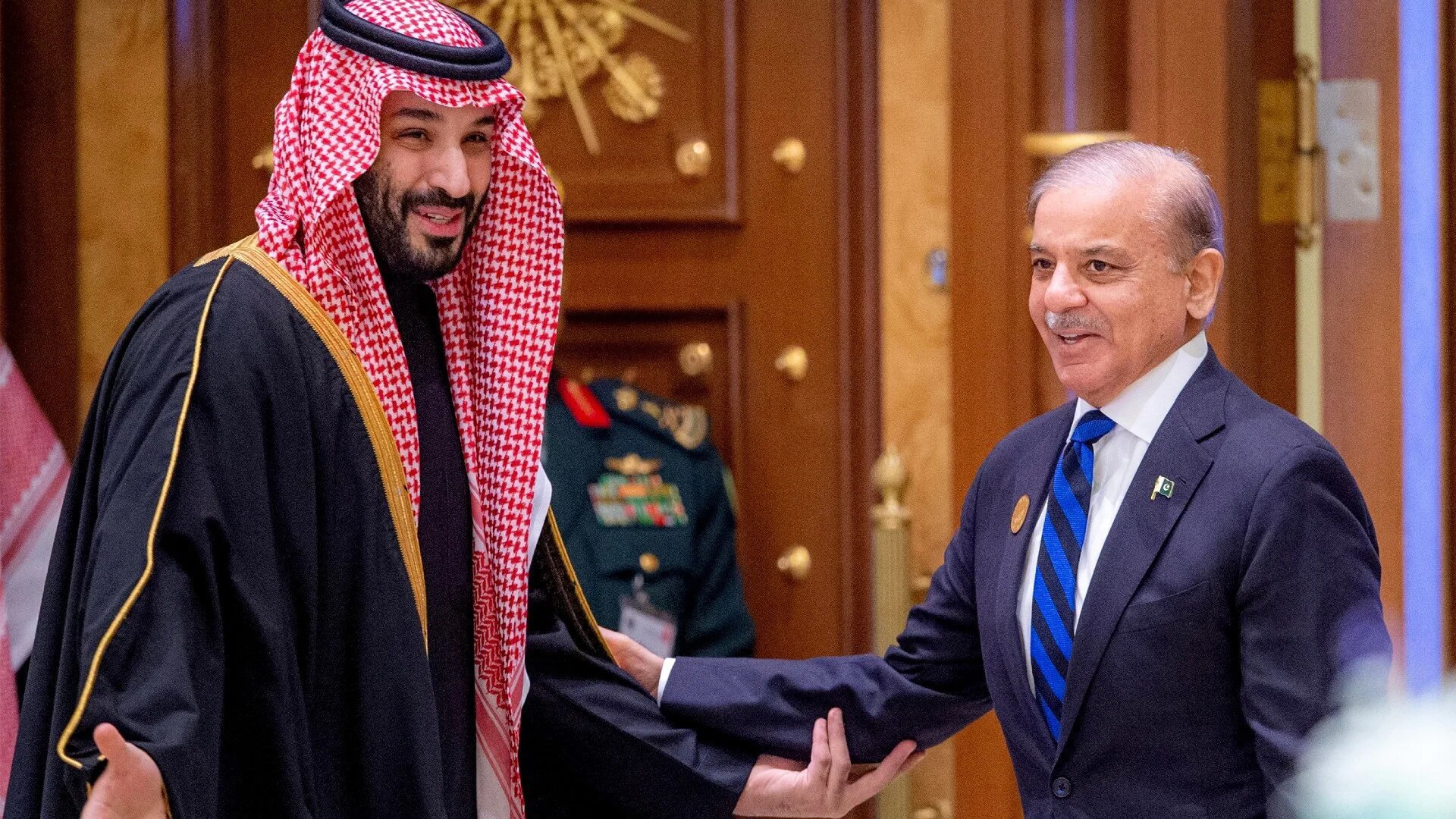
The agreement, signed by Prime Minister Shehbaz Sharif and Saudi Crown Prince Mohammed bin Salman, encompasses joint deterrence and enhanced interoperability across air, land and naval domains.
Allied training, personnel exchanges and coordinated operations underpin the framework, which analysts regard as a benchmark in bilateral relations.
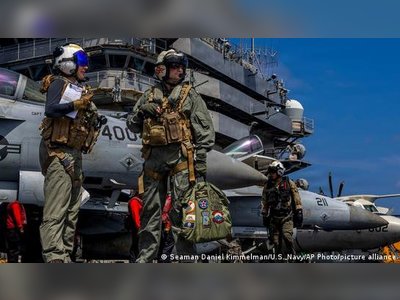
Beyond the defence pact, Pakistan’s participation in major multinational exercises such as Spears of Victory 2026 — hosted by the Royal Saudi Air Force — illustrates operational integration with Gulf and Western partners.
Pakistani F-16s have flown long-range missions to Saudi Arabia as part of the exercise, enhancing interoperability with air forces from across the Middle East, Europe and North America, and signalling Islamabad’s growing role in regional security cooperation.
In parallel, Saudi Arabia is reportedly considering direct procurement of Pakistani defence equipment, including combat aircraft and drones, reflecting confidence in Islamabad’s defence industrial base.
Pakistan’s strategy to expand military exports has begun to attract interest from a range of potential buyers in Asia, Africa and the Middle East, with discussions of deals encompassing aircraft, armored vehicles and UAV systems.
These developments unfold amid signs of cooling relations between Pakistan and the United Arab Emirates, where Abu Dhabi recently withdrew from a high-profile infrastructure project in Islamabad following its deepening security cooperation with Riyadh.
The cancellation of the UAE’s proposed management of Islamabad International Airport came shortly after the UAE President’s visit to India, illustrating broader diplomatic realignments in the region.
Islamabad’s pivot toward Saudi military partnership and Pakistan’s visible arms engagements reflect a recalibration of strategic partnerships as Gulf states assert independent foreign policy choices.
For Pakistan, closer defence ties with Riyadh reinforce its historical ties with the Kingdom while enhancing its footprint in Middle Eastern security frameworks.
For Saudi Arabia, Pakistan’s military contributions provide depth to deterrence capabilities at a time when regional alliances and external security guarantees are in flux.
The result is a shifting security architecture in which defence cooperation, arms deals and strategic exercises serve as indicators of emerging alignments in a complex and evolving geopolitical landscape.
In September 2025, Pakistan and Saudi Arabia formalised a Strategic Mutual Defence Agreement in Riyadh, committing that any aggression against one would be treated as an attack on both — a pact that institutionalises decades of military cooperation and reflects shared security concerns.
The agreement, signed by Prime Minister Shehbaz Sharif and Saudi Crown Prince Mohammed bin Salman, encompasses joint deterrence and enhanced interoperability across air, land and naval domains.
Allied training, personnel exchanges and coordinated operations underpin the framework, which analysts regard as a benchmark in bilateral relations.
Beyond the defence pact, Pakistan’s participation in major multinational exercises such as Spears of Victory 2026 — hosted by the Royal Saudi Air Force — illustrates operational integration with Gulf and Western partners.
Pakistani F-16s have flown long-range missions to Saudi Arabia as part of the exercise, enhancing interoperability with air forces from across the Middle East, Europe and North America, and signalling Islamabad’s growing role in regional security cooperation.
In parallel, Saudi Arabia is reportedly considering direct procurement of Pakistani defence equipment, including combat aircraft and drones, reflecting confidence in Islamabad’s defence industrial base.
Pakistan’s strategy to expand military exports has begun to attract interest from a range of potential buyers in Asia, Africa and the Middle East, with discussions of deals encompassing aircraft, armored vehicles and UAV systems.
These developments unfold amid signs of cooling relations between Pakistan and the United Arab Emirates, where Abu Dhabi recently withdrew from a high-profile infrastructure project in Islamabad following its deepening security cooperation with Riyadh.
The cancellation of the UAE’s proposed management of Islamabad International Airport came shortly after the UAE President’s visit to India, illustrating broader diplomatic realignments in the region.
Islamabad’s pivot toward Saudi military partnership and Pakistan’s visible arms engagements reflect a recalibration of strategic partnerships as Gulf states assert independent foreign policy choices.
For Pakistan, closer defence ties with Riyadh reinforce its historical ties with the Kingdom while enhancing its footprint in Middle Eastern security frameworks.
For Saudi Arabia, Pakistan’s military contributions provide depth to deterrence capabilities at a time when regional alliances and external security guarantees are in flux.
The result is a shifting security architecture in which defence cooperation, arms deals and strategic exercises serve as indicators of emerging alignments in a complex and evolving geopolitical landscape.